
Improving fitness is a good resolution for 2026
Fitness after 60 preserves independence and improves quality of life
Updated:

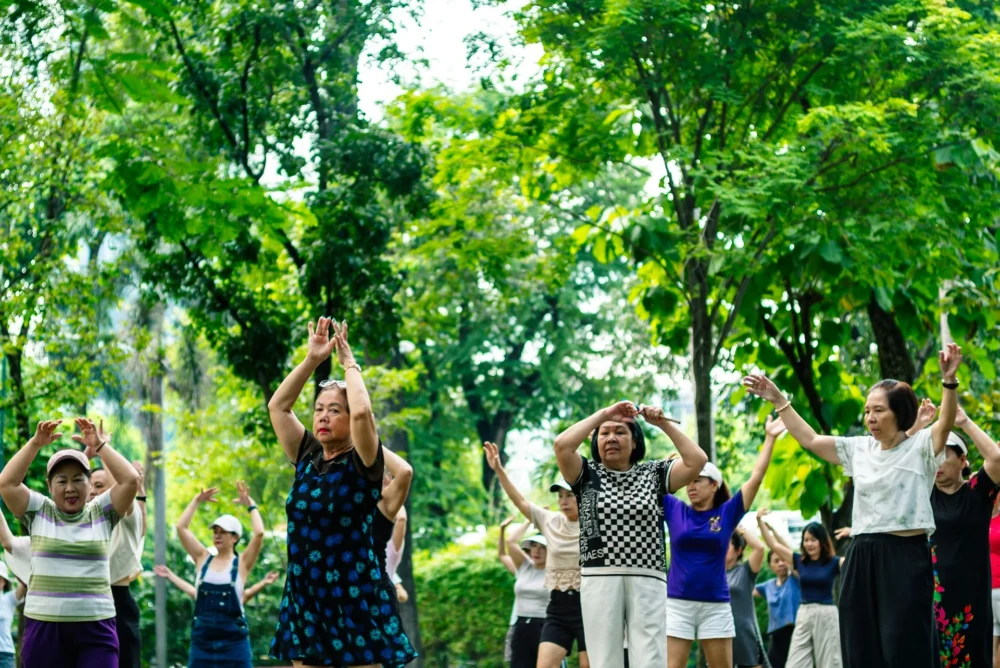
Photo by Khanh Do on Unsplash
Key Insights
- Movement matters more than intensity after 60, with consistency proving far more important than chasing youthful workout goals.
- Strength, balance, and flexibility now outrank speed and endurance as the pillars of long-term independence.
- Staying fit later in life is increasingly linked to brain health, social connection, and longevity, not just physical appearance.
With the arrival of a new year, it’s the traditional time for resolutions. For retirees and those approaching retirement, a good resolution is to improve fitness. As Americans live longer than ever before, a growing body of research—and a growing number of active older adults—are reshaping what fitness looks like after 60.
The image of retirement as a sedentary phase is giving way to a more dynamic reality: pickleball courts are packed, community centers are bustling, and walking trails are full of gray-haired regulars logging daily miles.
Health experts say this shift isn’t about turning seniors into elite athletes. It’s about preserving independence, preventing injury, and improving quality of life.
A new definition of ‘fit’
Strength training has emerged as a cornerstone. Age-related muscle loss, known as sarcopenia, can begin as early as the 40s and accelerates later in life. Light weights, resistance bands, or even bodyweight exercises two to three times a week can slow that decline dramatically.
Equally important is balance training. Simple practices—standing on one foot, heel-to-toe walking, or tai chi—can reduce the risk of falls, which remain one of the leading causes of injury among older adults.
Walking remains king
Despite new fitness trends, walking remains the most accessible and widely recommended activity for older adults. It improves cardiovascular health, supports joint mobility, and requires no special equipment.
What matters most is regular movement,” doctors say. A daily 30-minute walk can do more for long-term health than an intense workout done sporadically.
For those with joint pain or arthritis, low-impact alternatives like swimming, cycling, or water aerobics offer similar benefits without added strain.
The mind-body connection
Fitness over 60 isn’t just about muscles and bones. Studies increasingly link regular physical activity to improved cognitive function and a reduced risk of dementia. Exercise boosts blood flow to the brain and encourages the growth of new neural connections.
There’s also a social benefit. Group classes, walking clubs, and recreational sports help combat loneliness and depression, which can pose serious health risks in later life.
Experts stress that it’s never too late to begin—but starting smart is key. Older adults should consult a healthcare provider before launching a new fitness routine, especially if they have chronic conditions.
Progress should be gradual, with a focus on proper form and recovery. Pain is not a badge of honor at this stage of life; it’s a signal to adjust.