
Mediterranean diet linked to reduced risk of stroke in women
The Mediterranean diet has long been associated with heart and brain health
Updated:

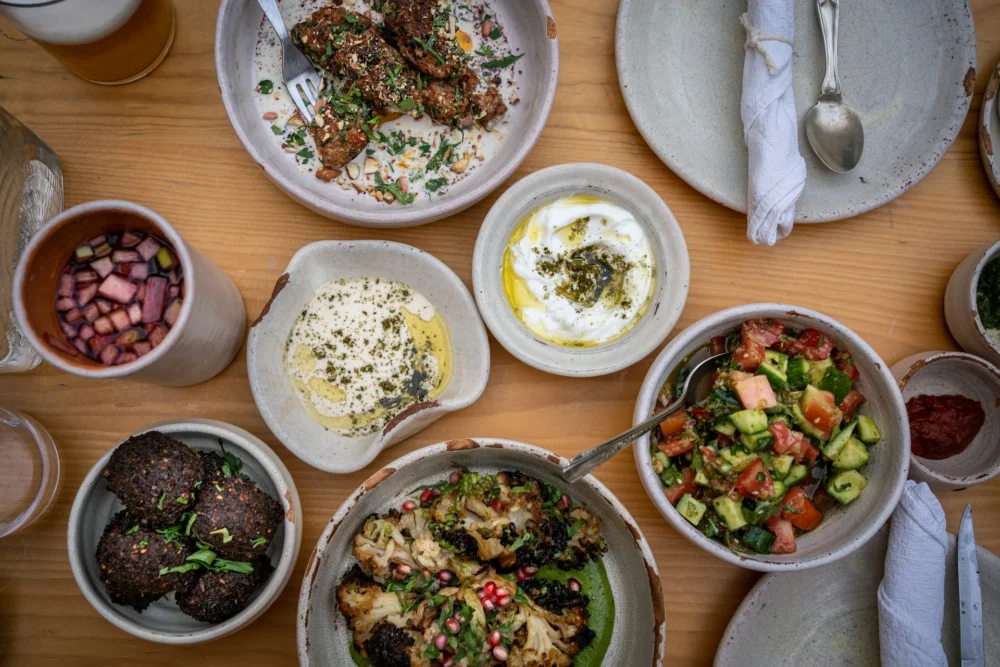
Photo by Alexandra Tran on Unsplash
Key Insights
- Women who closely followed a Mediterranean-style diet had an 18% lower overall risk of stroke in a long-term study of more than 100,000 participants.
- The diet was linked to a lower risk of both major stroke types, including ischemic strokes (caused by blocked blood flow) and hemorrhagic strokes (caused by bleeding in the brain).
- Researchers say the findings add to growing evidence that healthy eating patterns can play an important role in stroke prevention.
Eating a Mediterranean-style diet may help reduce the risk of stroke, according to a large new study that tracked women’s health for more than two decades.
Researchers found that women who most closely followed the diet had a significantly lower risk of stroke compared with those who followed it the least. The findings were published in Neurology Open Access, a journal of the American Academy of Neurology.
Stroke remains one of the leading causes of death and disability, particularly among older adults, making prevention strategies especially important as people age.
“Our findings support the mounting evidence that a healthy diet is critical to stroke prevention,” said study author Sophia S. Wang, PhD, of City of Hope Comprehensive Cancer Center in Duarte, California.
What the study found
The research followed 105,614 women who were about 53 years old on average at the beginning of the study and had no history of stroke.
Participants completed a detailed questionnaire about their eating habits. Researchers then assigned each person a score from 0 to 9 based on how closely their diet resembled a Mediterranean pattern.
People earned points for consuming more than average amounts of foods such as:
- Whole grains
- Fruits and vegetables
- Legumes
- Fish
- Olive oil
Participants also received points for drinking moderate amounts of alcohol and for eating below-average amounts of red meat and dairy products.
About 30% of the women scored between six and nine, meaning they followed the diet most closely. Another 13% scored between zero and two, indicating the lowest adherence.
Over an average follow-up of 21 years, researchers recorded 4,083 strokes, including:
- 3,358 ischemic strokes, the most common type caused by blocked blood flow to the brain
- 725 hemorrhagic strokes, which occur when bleeding happens in the brain
After accounting for factors such as smoking, exercise, and high blood pressure, researchers found that women in the highest diet group were:
- 18% less likely to have any type of stroke
- 16% less likely to have an ischemic stroke
- 25% less likely to have a hemorrhagic stroke
Wang said the link with hemorrhagic stroke was especially noteworthy because fewer large studies have examined the role of diet in that type of stroke.
Why the Mediterranean diet may help
The Mediterranean diet has long been associated with heart and brain health. It emphasizes foods rich in nutrients and healthy fats while limiting saturated fats and heavily processed foods.
Key features of the diet include:
- Plenty of vegetables, fruits, and legumes
- Whole grains
- Fish and seafood
- Olive oil is the main fat
- Smaller amounts of meat and dairy
While the study found a clear association between the diet and lower stroke risk, researchers emphasized that it does not prove the diet directly caused the reduction.
“Stroke is a leading cause of death and disability, so it’s exciting to think that improving our diets could lessen our risk for this devastating disease,” Wang said. “Further studies are needed to confirm these findings and to help us understand the mechanisms behind them.”