
More boomers are starting businesses instead of retiring
Economic realities are a major driver
Updated:

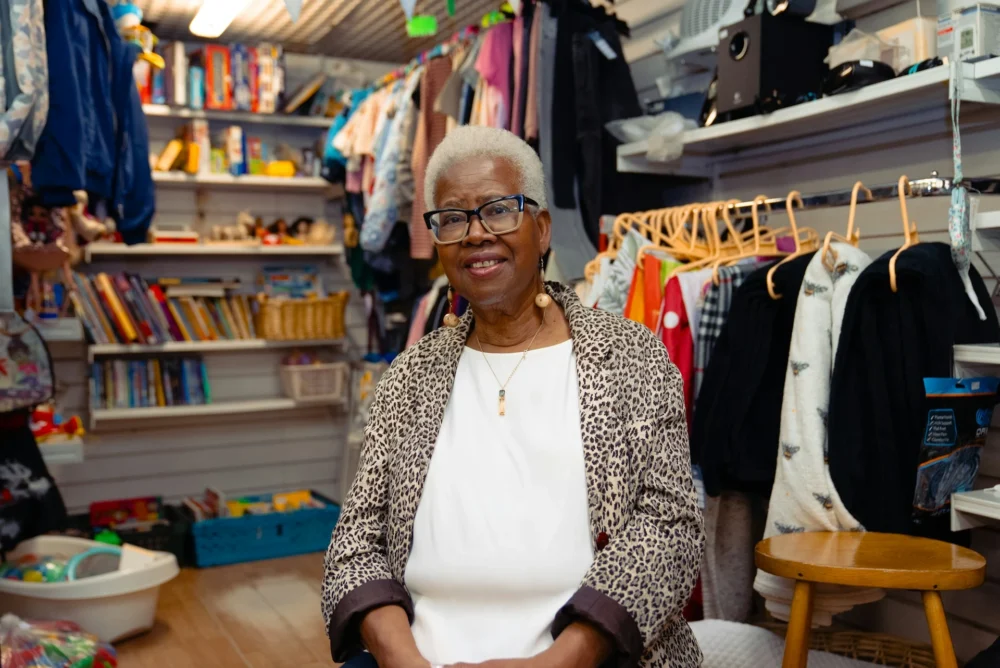
Photo by Centre for Ageing Better on Unsplash
Key Insights
- Baby boomers are launching startups at record rates, driven by longer life expectancy, economic pressure, and a desire for purpose.
- Many older entrepreneurs are leveraging decades of experience and professional networks to spot unmet needs younger founders may overlook.
- Experts say the trend is reshaping ideas about retirement—and forcing policymakers and investors to rethink age and innovation.
For generations of American workers, retirement marked a clear dividing line: decades of labor followed by a slower, quieter chapter. But for a growing number of baby boomers, that script is being rewritten. Instead of cashing a final paycheck and walking away, many adults in their late 50s, 60s, and even 70s are starting new businesses—sometimes their first, sometimes their boldest.
From consulting firms and online retail brands to healthcare services and niche manufacturing, boomer-founded startups are popping up across the economy. According to entrepreneurship researchers, older Americans are now among the fastest-growing groups of new business owners, challenging the stereotype that startups are the exclusive domain of hoodie-wearing twenty-somethings.
Some small business advisors point out that people are living longer, healthier lives, and they don’t see 65 as an endpoint anymore. They want to keep being productive, and sometimes they need to.
Necessity meets opportunity
Economic realities are a major driver. Rising healthcare costs, market volatility, and concerns about the long-term stability of retirement savings have pushed some boomers to keep earning. For others, layoffs late in their careers left limited options in a job market that can be unforgiving to older workers.
Starting a business, these entrepreneurs say, can be both a financial strategy and a way to regain control.
But money isn’t the whole story. Many boomer founders say they are motivated by unfinished ambitions or ideas that simmered for decades while they climbed corporate ladders. With fewer family obligations and more flexibility, they finally have the time to pursue them.
Experience as a competitive edge
Unlike younger founders, boomers often arrive with deep industry knowledge, established professional networks, and a clearer understanding of customer pain points. That experience can translate into steadier growth and fewer early mistakes.
Studies have shown that businesses founded by older entrepreneurs are more likely to survive their first five years. Investors are taking note, particularly in sectors like healthcare, financial services, and business-to-business technology, where experience and credibility matter.
Technology, once considered a barrier, has become an enabler. Cloud software, e-commerce platforms, and remote work tools have lowered startup costs and made it easier for older founders to compete without large teams or physical offices.
The rise of boomer entrepreneurs is also reshaping cultural expectations. Retirement is increasingly seen as a transition rather than an ending—one that might include part-time work, passion projects, or full-scale ventures.