
Retirement Living takes an unbiased approach to our reviews. We may earn money when you click a partner link. Learn More
Here’s how the Iran war could affect your retirement
Market volatility and inflation are a bad combination

Updated:
key insights:
- Rising oil prices tied to the Iran war are pushing up everyday costs, hitting retirees on fixed incomes the hardest.
- Market volatility and slower economic growth are increasing the risk of losses for retirement savings.
- Social Security payments may rise in response to inflation—but likely not enough to offset higher living expenses.
As the conflict involving Iran ripples through global markets, economists warn that retirees may be among the most financially vulnerable groups in the United States. While the geopolitical stakes remain uncertain, the economic consequences are already taking shape—and they could have lasting implications for millions living on fixed incomes.
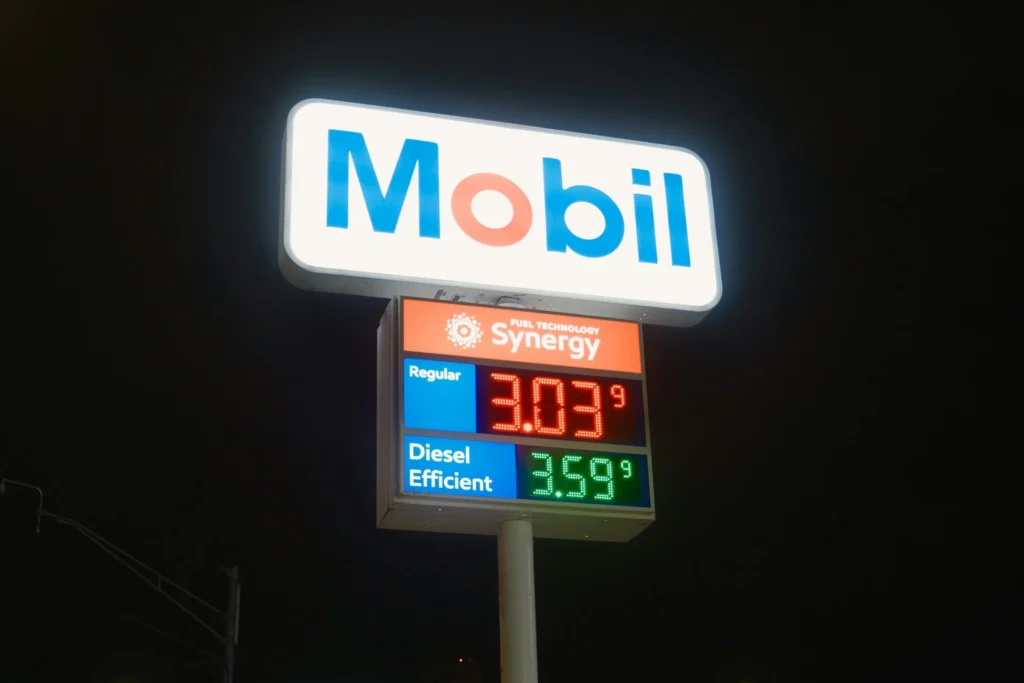
At the center of the economic fallout is energy. Oil prices have surged above $100 per barrel as supply routes face disruption and geopolitical risk intensifies.
That surge is feeding directly into inflation. Higher fuel costs increase transportation, manufacturing, and food prices, creating a broad rise in everyday expenses.
For retirees, that dynamic is especially painful. Unlike working households, most retirees rely on fixed income streams—such as Social Security or pensions—that don’t immediately adjust to rising costs. Even modest increases in gas, groceries, and utilities can significantly erode purchasing power over time.
Social Security may rise, but not enough
There is one potential upside: higher inflation could lead to larger cost-of-living adjustments (COLA) for Social Security recipients in the coming years. Analysts say sustained energy-driven inflation may push future benefit increases above earlier estimates.
However, experts caution that these adjustments often lag behind real-world price increases—and rarely cover the full extent of rising expenses.
In practical terms, retirees may see slightly larger monthly checks, but still find themselves falling behind as living costs climb faster.
Market volatility raises retirement risks
Beyond inflation, the war is also rattling financial markets. Stocks have already shown signs of stress, with major indexes declining amid fears of slower growth and higher costs.
That volatility poses a particular danger for retirees in or near the “fragile decade”—the years just before and after retirement—when withdrawals from investment accounts can lock in losses.
Economists warn that a prolonged conflict could increase the risk of “stagflation,” a combination of rising prices and slowing growth that historically weakens both stocks and bonds.
The war’s effects extend beyond markets and inflation. Businesses facing higher costs may reduce hiring or cut jobs, while consumer spending could weaken. Early data already shows slowing growth and rising cost pressures across key sectors.
For retirees, this broader slowdown can have indirect consequences—ranging from lower returns on investments to increased strain on public programs that support aging populations.
A disproportionate burden
Taken together, these forces suggest retirees will shoulder a disproportionate share of the economic burden. Rising costs, uncertain markets, and delayed income adjustments create a challenging environment—particularly for those without substantial savings.
Financial advisers emphasize that while global conflicts are unpredictable, the risks they pose to retirement security are not. Diversification, maintaining cash reserves, and avoiding panic-driven investment decisions remain key strategies in navigating turbulent times.
Still, as the Iran conflict continues to evolve, one reality is already clear: for retirees, the economic consequences are likely to be felt closer to home than the war itself.