
New research uncovers a potential brake on brain aging
Scientists have identified a protein that appears to play a central role in maintaining the brain’s ability to regenerate key cells
Updated:

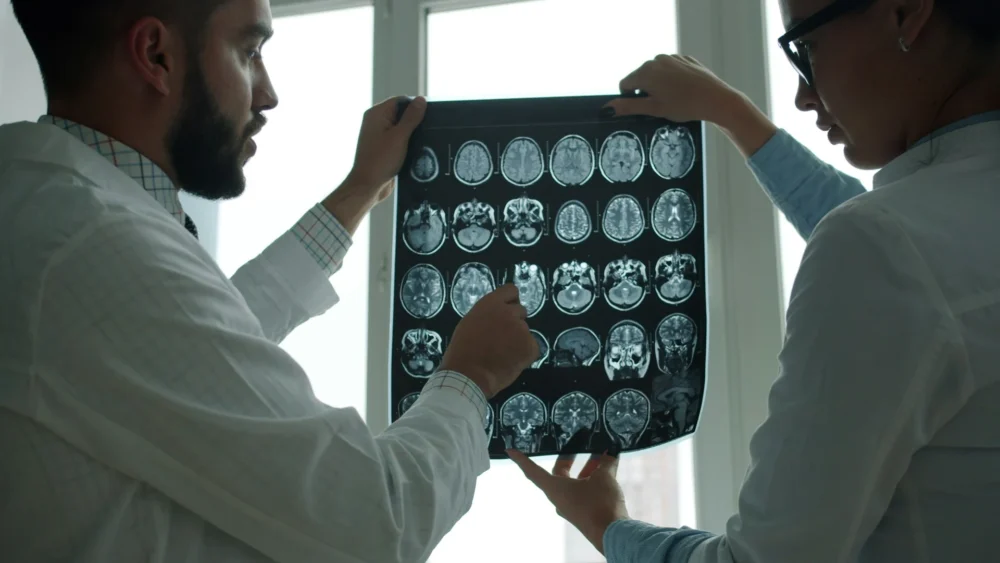
Photo by Vitaly Gariev on Unsplash
Key Insights
- Scientists have pinpointed a protein that helps aging brains keep making new neurons, a process tied to learning and memory.
- In lab experiments with cells and mice, boosting this protein revived dormant neural stem cells — hinting at ways to counteract the normal decline of the aging brain.
- While promising, the discovery is early-stage, and much more research is needed before it can translate into human treatments.
In what researchers are calling a foundational step toward understanding how the brain ages, scientists at the National University of Singapore (NUS) have identified a protein that appears to play a central role in maintaining the brain’s ability to regenerate key cells involved in cognition.
The findings, published this week in Science Advances, point to a molecular mechanism that could one day help slow or even partially reverse age-related decline in brain function.
What happens when brains age
Aging brains typically produce fewer new neurons partly because neural stem cells (NSCs) — which give rise to fresh neurons throughout life — gradually become less active. This drop in regenerative capacity has long been linked to declines in learning, memory, and overall cognitive flexibility. The new study highlights a transcription factor known as cyclin D-binding myb-like transcription factor 1 (DMTF1) as a critical switch in this process.
“Understanding why neural stem cells lose their spark as we age has been a major puzzle. Our data show that DMTF1 levels are higher in younger brains and that giving these cells more of the protein can ‘wake them up’ in laboratory conditions,” said lead author Liang Yajing.
In experiments with cultured cells and mice, the research team found that increasing DMTF1 boosted the activity of genes involved in cell growth and regeneration. Specifically, it activated helper genes that loosen tightly packed DNA, allowing other growth-promoting genes to turn on — essentially reactivating the machinery that supports neuron formation.
From lab bench to future therapies
Although the protein itself doesn’t magically “reverse aging,” the discovery offers a clearer picture of how age-related changes deep inside the brain impair its plasticity. By focusing on the mechanisms that cause NSCs to slow down with age, scientists hope to develop interventions that preserve cognitive fitness well into later life.
Researchers caution, however, that these results are preliminary. So far, the work has been done with cells in laboratory settings and in animal models; whether the approach will be safe, effective, or even feasible in humans remains unknown. There are also biological trade-offs: because DMTF1 is tied to cell growth, excessive activation might increase cancer risk if not carefully controlled.
Scientists say the discovery provides an important piece of the brain-aging puzzle, but they’re still a long way from turning this into a drug you could take in a pill.