
Retirement Living takes an unbiased approach to our reviews. We may earn money when you click a partner link. Learn More
How to Get Financial Assistance for Walk-in Tubs
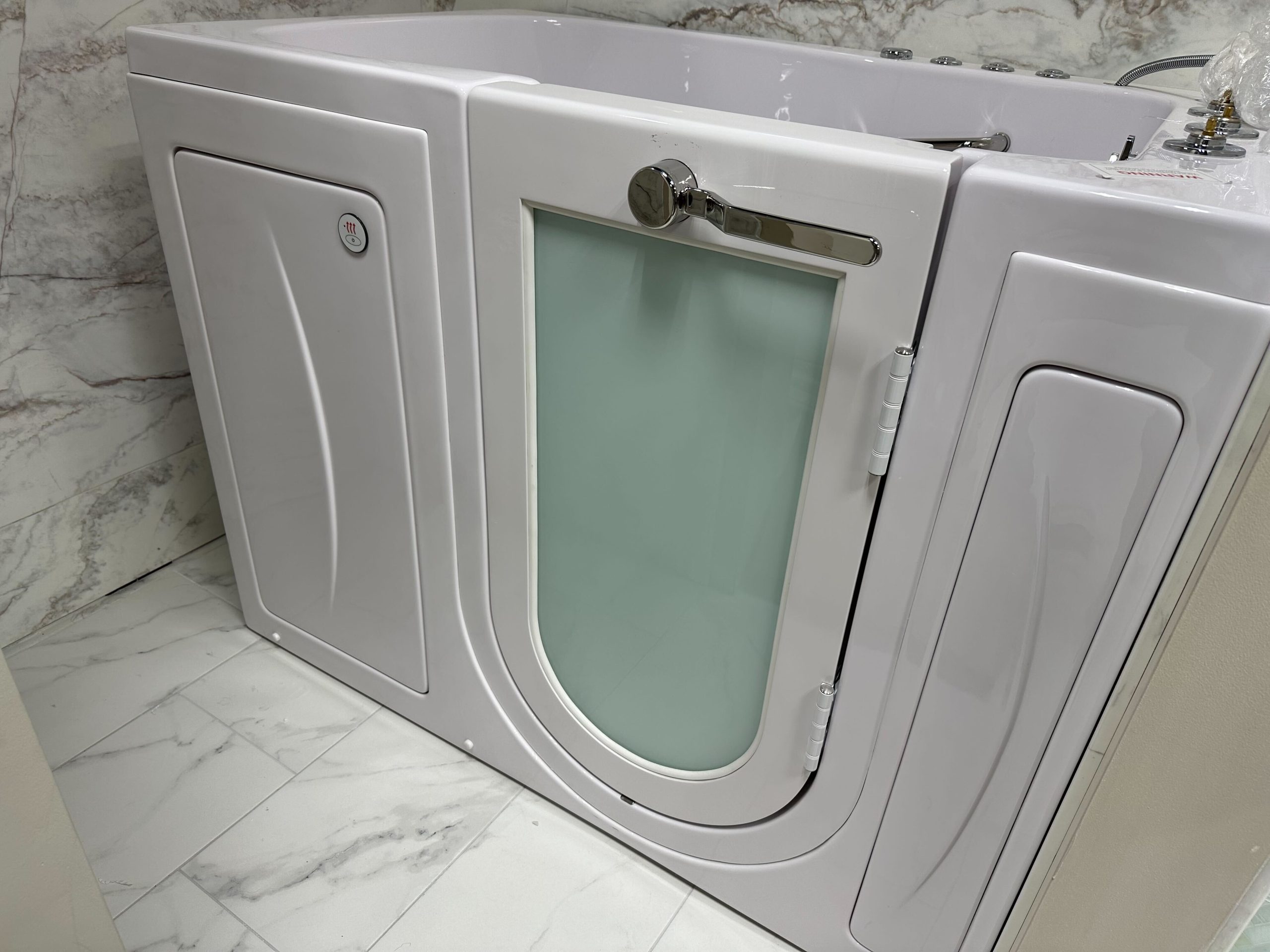
Although walk-in tubs aren’t covered under Original Medicare, there are Medicaid programs, Medicare Advantage plans, and other local options that offer financial assistance, depending on eligibility.


Updated:
At a glance:
- Some Medicaid, Medicare Advantage, and private insurance plans cover walk-in tubs as a medically necessary home modification.
- Low-income seniors or those in rural areas can get a free walk-in tub through USDA Rural Repair & Rehabilitation grants, long-term care insurance plans, and local nonprofit programs.
- Senior veterans may qualify for VA grants and benefits that cover walk-in tubs, including SHA, SAH, and HISA programs.
Each year, 25% of seniors fall, with 80% of those falls happening in the bathroom. Walk-in tubs can significantly reduce the risk of falls and enhance the bathing experience—making life easier for seniors with mobility issues, caregivers, and their loved ones. However, paying for a new bathroom remodel can put a real strain on your fixed budget in retirement.
So, is there financial assistance for walk-in tubs, especially through Medicare? We’ll explore how to get help paying for a walk-in bathtub, so you can get the in-home care you need at an affordable price.
How To Get a Free Walk-In Tub for Seniors
From health insurance to non-profit assistance, there are several ways seniors can qualify for a free walk-in tub. If you’re wondering how to get a free walk-in tub, here are some of the most effective options.
Medicare Advantage
If you have a letter of medical necessity for a walk-in tub provided by your doctor, you may be able to cover or reimburse the cost. However, approval is uncommon and varies by state.
Medicaid Programs
Some state-specific Home and Community Based Services (HCBS) Waivers cover the installation of a walk-in tub.
Veterans Benefits
For senior veterans, the VA offers several financial assistance programs, including Veteran Directed Care funds, SHA/SAH housing grants, HISA grants, and pension boosts through Aid & Attendance.
State-based Assistance
While Medicare and Medicaid programs already vary by state, there are additional, fully state-based programs that can help. For example, Nevada’s Assistive Technology Program, Indiana’s CHOICE, and Minnesota’s CADI waivers all provide assistance for walk-in tubs.
USDA Rural Repair & Rehabilitation Grant
Low-income seniors in rural areas may qualify for up to $7,500 toward a walk-in tub.
Nonprofit Support
Organizations like Habitat for Humanity’s Aging in Place and Rebuilding Together’s Safe at Home services provide free or reduced-cost home modifications—like walk-in tubs.
Manufacturer Discounts and Financing
Some companies, including Boca, Jacuzzi, and Independent Home, offer coupons, rebates, or financing options to lower costs.
Will Medicare Cover a Walk-In Tub?
In nearly every scenario, Medicare won’t cover the cost of a walk-in tub because the program does not classify them as durable medical equipment (DME).
But there’s an exception to every rule. In rare instances, Medicare—especially Medicare Advantage plans—may reimburse the cost of the tub. Though you’ll still have to dig into your own pockets to cover the upfront costs.
Getting this reimbursement isn’t easy: You’ll have to prove to Medicare that a walk-in tub is a “medical necessity.” That means you’ll need to provide proof of a medical diagnosis that requires the tub. Ask your doctor for a prescription and an official letter detailing why you absolutely need a walk-in tub.
There’s still no guarantee that Medicare will cover the cost. If you can’t get Medicare to sign off on the reimbursement, try to get financial assistance elsewhere, like through Medicaid.
Will Medicaid Cover a Walk-In Tub?
Financial assistance through Medicaid varies from state to state. Each state has multiple Medicaid programs with varying guidelines. You’ll need to research your state’s requirements to determine if your program will cover the cost of a walk-in tub.
Financial assistance through Medicaid may not cover the total cost, but you might get some level of help with installation and the cost of the tub itself. Explore your state’s Medicare waiver program, which lists grants you might be able to use to supplement the costs associated with aging in place.
Veterans Benefits
Paying for a walk-in tub is a little easier if you’re a veteran, thanks to the range of benefits from the Department of Veterans Affairs. Veterans can take several routes to get the quality of life improvements they need, including:
- Veteran-Directed Care (VDC): This program, previously known as Veteran-Directed Home and Community-Based Services, is designed for veterans who require assistance with daily activities, including bathing. Veterans or their representatives have access to a flexible spending account (FSA), which they can use at their discretion to cover their needs. That could include a walk-in tub.
- Service grants: Veterans can apply for the Special Home Adaptation (SHA) grant or the Specially Adapted Housing (SAH) grant to cover the cost of a walk-in tub. The government awards a finite number of grants each year, and they’re reserved for veterans who have disabilities as a result of their service.
- Home modification grants: Veterans can also apply for home modification grants, such as the Home Improvements and Structural Alterations (HISA) grant. This grant won’t cover a spa, hot tub, or Jacuzzi, but it can be used for roll-in showers. (There are other uses as well, including accessible kitchen counters and entry/exit ramps from the home.) Veterans who do not have a disability from their service can get $2,000; those who have a service-connected disability can get up to $6,800 for home modifications.
- Additional benefits: Veterans can increase their monthly pension payments by applying for VA Aid and Attendance or Household benefits. You can use these additional funds if you need help with daily activities, such as bathing.
Financial Assistance for Walk-In Tubs
Even if you don’t qualify for help through health care programs like Medicare or Medicaid and aren’t a veteran, there are other methods for affording a walk-in tub. Here are some other options for securing financial assistance:
State-Based Programs
Medicaid isn’t your only option for financial assistance at the state level. Research other programs in your state that might help you cover the cost of a walk-in tub.
For instance, seniors in Nevada may get help through the Assistive Technology for Independent Living Program. Indiana residents can try to get help via the CHOICE program. In Minnesota, older adults can get assistance via the Community Access for Disability Inclusion Waiver. The Illinois Home Accessibility Program helps residents of that state make their homes more accessible.
Home Modification Loans & Grants
Veterans aren’t the only ones who can qualify for home modification loans and government grants for walk-in tubs. For instance, seniors can apply for the U.S. Department of Agriculture (USDA) Rural Repair and Rehabilitation grant (Section 504 Home Repair) to get up to $7,500 for home alterations, such as walk-in tubs.
The Housing Improvement Program is available to American Indians and Alaska natives through the Bureau of Indian Affairs. Other programs at the state and local level may also be available.
Non-Profits
Several non-profit organizations offer help to seniors who are trying to make their homes more accessible, including Habitat for Humanity, which has an Aging in Place program.
Another non-profit, Rebuilding Together, has a program called Safe at Home, which can help seniors in need with the cost of home modifications, such as walk-in tubs.
Manufacturer Discounts and Financing
No luck with insurance companies? Some manufacturers, like Boca and Jacuzzi, may offer special discounts and financing options. Independent Home offers a $1,500 off coupon that can also make a huge difference in what you pay. Explore our list of the best walk-in tubs to start your search.
Safe Step

Great standard safety features
All products meet ADA standards
Lifetime warranty
Kohler Walk-in Bath

Great warranty
Low threshold
Large number of add-on features
Other Ways to Pay for a Walk-In Tub
If you don’t qualify for any financial assistance for walk-in tubs, you can still find ways to install a soaker without paying out of pocket. Here are some other options to explore:
- Personal loans: You can find personal loans from $1,000 to $100,000 and use the funds for just about anything, including home renovations. Personal loan interest rates are typically lower than those on credit cards, but repayment amounts and terms are fixed. You can usually find repayment terms between two and seven years for personal loans.
- Reverse mortgages: Another option for homeowners who are 62 or older is to get a reverse mortgage to cover rising medical costs and other expenses in retirement. There are a lot of factors to consider before getting a reverse mortgage (you’ll have to participate in financial counseling as part of the process), but some of the best reverse mortgage lenders offer great options that can help fund walk-in tubs and other expenses in retirement.
- HELOCs: Home equity lines of credit (HELOCs) are another way to tap into your home equity to fund medical costs, pay off debt, and cover the cost of home renovations. Alternatively, you can explore home equity loans (a lump sum rather than revolving credit). It takes between three and eight weeks to get your HELOC. If you need a walk-in tub more quickly, you may need to explore another option.
Another way to save money on a walk-in tub? Buy used. Gently used, pre-owned walk-in tubs can be significantly less expensive than brand-new tubs.
Alternatively, if you’re planning to downsize your home and buy a house without stairs, you can also add a walk-in tub to your must-have list. Real estate agents can help you find a smaller, more affordable home that is already outfitted with all the amenities you need to age in place.
Are Walk-In Tubs Tax Deductible?
Walk-in tubs may be tax-deductible depending on your state tax laws. The IRS offers medical and dental care expense deductions if you itemize on your return.
Similarly, if you care for an older adult in your home and pay for a walk-in tub, you may be able to claim the child and dependent care tax credit. Currently, it’s worth $4,000 for one qualifying person.
Taxes can get confusing. If you already work with a financial advisor for estate planning, they should be able to help you figure out how much you can deduct when filing your taxes.
Bottom Line
Walk-in tubs are expensive, but for seniors who are prone to falls, they are well worth the investment. Although Medicare usually won’t cover the cost, there are other ways to get financial assistance for walk-in tubs, including VA benefits, grants, and state-based programming.
Explore your options as you weigh the pros and cons of walk-in tubs.
Frequently Asked Questions
Yes, depending on your location, income, and background, you may be eligible for government grants that cover the costs of walk-in tubs and showers. One of the most popular options for low-income seniors living in rural areas is the U.S. Department of Agriculture (USDA) Rural Repair and Rehabilitation grant.
Unlike Original Medicare, Medicare Advantage plans are more likely to offer full or partial coverage for walk-in tubs. You’ll need to check your specific state policies and get a letter of medical necessity from your doctor.
To get a letter of medical necessity for walk-in tubs, you’ll need to reach out to your doctor. If you have a relevant diagnosis or disability, your doctor can provide proof of prescription and an official letter detailing why you need a walk-in tub.
Walk-in tubs cost anywhere from $2,000 to $25,000, depending on the size and features of the model. For most tubs, prices fall between $5,000 and $10,000.
You’ll also need to budget for installation. Installation for more complex tubs or those that require larger bathroom remodels can cost as much as $3,000, but a simple installation can go as low as $700.
Yes, walk-in tubs that are considered a medical expense are tax-deductible. If you can prove the tub was purchased to improve safety or health—not just for luxury purposes—then you can itemize the deduction during tax season. Always check with a tax advisor before filing.
Walk-in tubs work much like walk-in showers, offering easier access and greater safety, but can also include additional safety features, such as grab bars and anti-slip surfaces, as well as soaking features like air and water jets. Getting a free walk-in shower for seniors requires similar methods as getting a free walk-in tub, with VA benefits in particular being likely to cover the former.
However, many seniors still opt for walk-in tubs, as they’re safer for people who have trouble stepping over the edge of a standard tub, can’t stand easily, or have other mobility issues.