
Retirees will learn the amount of the Social Security COLA on time
Government economists are being called back, despite the shutdown
Updated:

Key Insights
- The administration has directed the Bureau of Labor Statistics (BLS) to revive a subset of furloughed staff specifically to compile and publish the September Consumer Price Index (CPI), despite a continuing federal shutdown.
- Officials argue the CPI’s release is legally tied to key programs (notably Social Security’s cost-of-living adjustment) and critical to monetary policy, market confidence, and economic planning.
- Some in Congress and outside economists are pushing back, warning that compressed resources could undermine data quality, politicize the process, or set an unsustainable precedent for “emergency” releases during funding lapses.
The federal government shutdown has stopped the flow of economic statistics, but the September Consumer Price Index will be an exception. The Bureau of Labor Statistics (BLS)—whose staff have largely been furloughed amid the funding lapse—will see a limited “recall” of workers to compile and publish the CPI data.
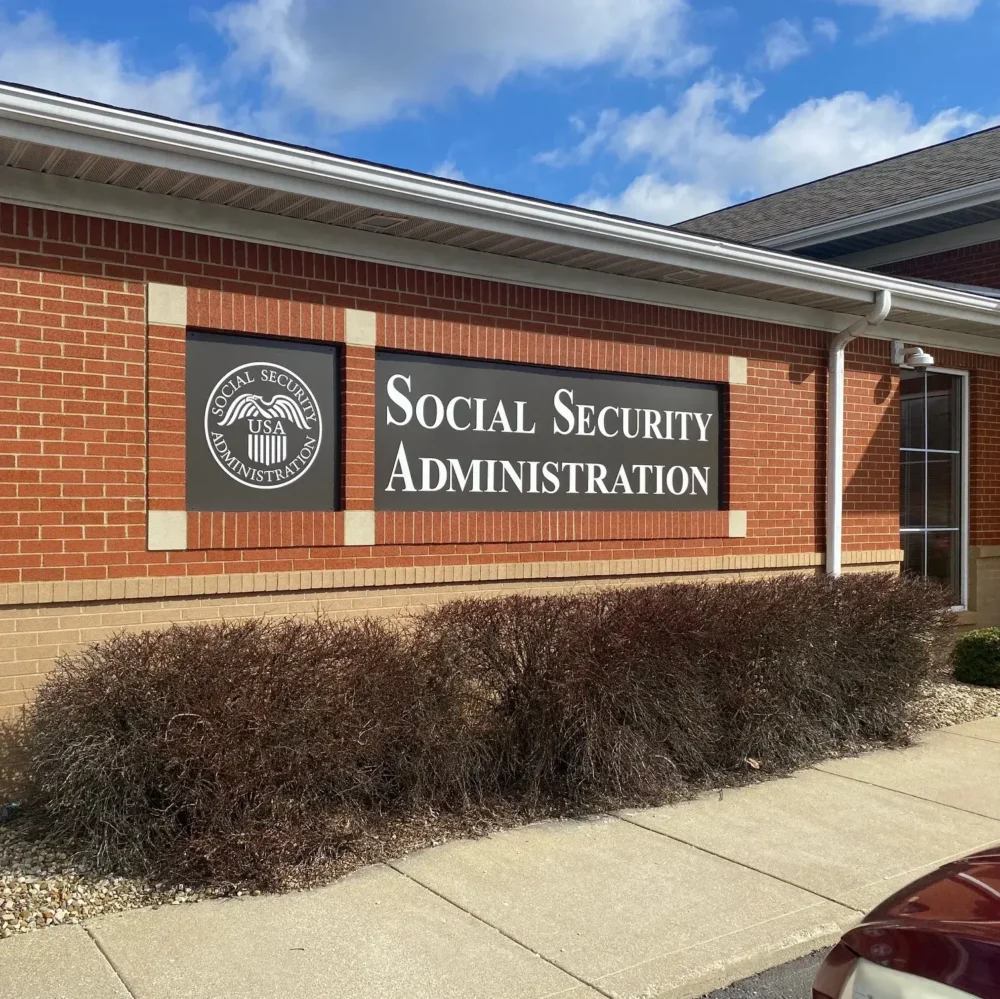
That means Social Security recipients will learn how much of a cost-of-living adjustment they will receive starting in January. The COLA is based on the CPI for Urban Wage Earners for July, August, and September.
There are other reasons for the exception. The Federal Reserve and markets demand up-to-date inflation metrics, and fiscal policymakers need reliable economic benchmarks to guide decisions in a turbulent environment.
Why release the CPI?
Under law, the Social Security Administration uses the CPI to set beneficiary adjustments each year. The COLA must be determined by mid-October to go into effect in January. Without a published CPI, the government risks missing statutory deadlines or relying on outdated or private alternatives.
The CPI is among the most closely watched indicators in the U.S. economy, influencing inflation expectations, interest rate decisions, and investor behavior. In a year of sticky inflation and economic uncertainty, the administration argues that withholding it would worsen “flying blind” conditions for policymakers and markets alike.
The administration frames the CPI exception as a narrowly tailored decision, not a full resumption of government operations, but one that underscores the centrality of inflation data to core fiscal governance. Some see it as a demonstration of seriousness about economic stability, while critics view it as selective favoritism.
Risks, objections, and trade-offs
While the administration touts the importance of continuity, several potential pitfalls have raised objections:
- Data integrity concerns. With only a fraction of BLS staff recalled and funding shortfalls limiting broader operations, some analysts warn that sample sizes, survey coverage, or methodological rigor may suffer. Critics argue that any statistical compromises could reduce confidence in the numbers or invite future political interference.
- Precedent for future shutdowns. If the government carves out exceptions for data releases, it may sharpen political pressure during future funding lapses to selectively designate “critical” programs. This risks blurring lines between essential and nonessential functions.
- Internal staff morale and justice. Furloughed BLS workers not recalled may resent the process as unfair or opaque. Moreover, the partial recall raises questions about who gets to work and who remains sidelined in the crisis.
- Legislative backlash. Some members of Congress, particularly on the minority side, are pushing back, accusing the White House of circumventing shutdown constraints or making unilateral decisions on what counts as essential.
Operational challenges and timeline
Even under the recall plan, the BLS faces logistical constraints. Data collection operations rely heavily on field interviews, price extraction from business websites, and survey outreach, some of which cannot easily proceed without full staffing. Processing, validation, and review phases also require support from adjacent agencies now operating under extreme austerity.
Sources within the administration say the CPI publication may slip several days behind the standard schedule, but that officials are pushing to keep it as timely as possible. The jobs and employment report for September, by contrast, remains suspended with no decision yet on whether a similar recall will occur.
White House spokespeople have cast the decision as a measured action to safeguard essential economic governance, emphasizing that only a “bare minimum” staff will be reinstated to protect calendar-driven obligations. The administration has repeatedly noted that the shutdown itself is the result of congressional deadlock over appropriations.