
Retirement can be freeing — and unexpectedly lonely
Here are some ways to feel less isolated
Updated:

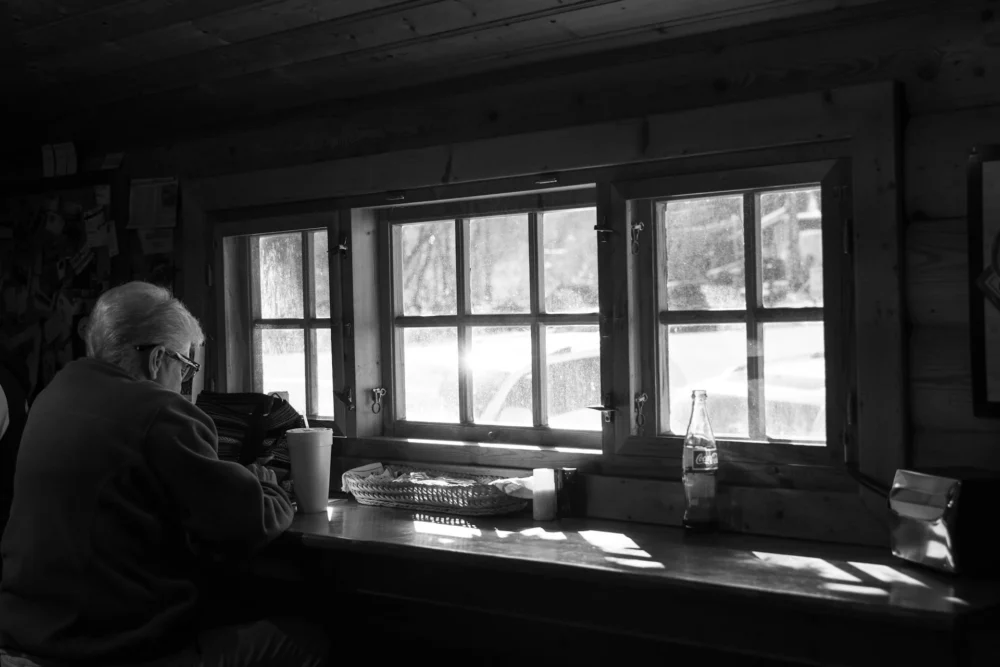
Photo by Sayla Brown on Unsplash
Key Insights
- Loneliness is common in retirement — and it’s not a personal failure. Experts say major life changes, not individual weakness, are often the cause.
- The loss of work routines and relationships is a key trigger. Leaving a job can quietly remove daily purpose and built-in social contact.
- The good news: loneliness can be reduced. Research shows practical steps — especially shared activities and purposeful roles — really help.
For many people, retirement is something to look forward to: more time, fewer deadlines, and freedom from the daily grind. But mental health experts say retirement also brings one of the most overlooked challenges facing older adults — loneliness.
Loneliness is not the same as being alone. You can be surrounded by people and still feel lonely, or live quietly and feel content. What matters is whether your social connections meet your emotional needs. After retirement, many people discover that connections they once took for granted quietly disappear.
“Older adults are also at increased risk of social isolation and loneliness because of factors such as the loss of a partner or other loved ones, decreased mobility, worsening vision and hearing, chronic illness, inability to access transportation, or cessation of favorite activities,” researchers wrote in an article in JAMA.
Why retirement raises the risk
Experts point to several reasons loneliness often emerges after leaving the workforce:
- Loss of daily structure and purpose. Jobs provide routine, goals, and a sense of being needed. Without them, days can blur together.
- Disappearing work friendships. Many workplace relationships fade once people stop seeing each other regularly.
- Smaller social circles over time. Friends move away, health changes limit activities, and it becomes harder to form new bonds.
- Loss and grief. The death of a spouse, partner, or close friend is one of the strongest predictors of loneliness later in life.
- Health and mobility challenges. Chronic illness, hearing or vision problems, and transportation issues can quietly push people into isolation.
None of these are character flaws. They are predictable life transitions.
What actually helps, according to research
Mental health experts emphasize that combating loneliness isn’t about “staying busy.” It’s about connection with meaning.
Studies show the most effective approaches include:
- Group-based activities with regular contact. Classes, clubs, walking groups, or discussion groups work best when you see the same people repeatedly.
- Purpose-driven roles. Volunteering, mentoring, part-time work, or helping in community organizations restore a sense of being useful and valued.
- Social physical activity. Exercise helps most when it’s done with others, not alone.
- Learning or using technology to connect. Video calls, online groups, and shared-interest forums can reduce loneliness when people feel confident using them.
- Addressing unhelpful thought patterns. For some, counseling helps break the cycle of withdrawal and negative expectations that keep loneliness going.
Importantly, one-off events rarely help. Loneliness fades through routine, familiarity, and shared experience.
A simple playbook for retirees
Experts suggest thinking of social life the way work once worked:
- Schedule two or three standing commitments each week
- Choose activities that involve the same people over time
- Prioritize purpose, not just entertainment
- Reduce barriers — look for nearby, accessible, or hybrid (in-person/online) options
- Treat persistent loneliness as a health issue, not something to “power through”
Loneliness that lasts for months and is paired with sadness, anxiety, sleep problems, or heavy drinking deserves medical attention. Doctors and therapists increasingly recognize loneliness as a real health risk — linked to depression, heart disease, and cognitive decline.