
Scientists report a breakthrough in slowing brain aging
A key molecular switch keeps aging brains making new neurons
Updated:

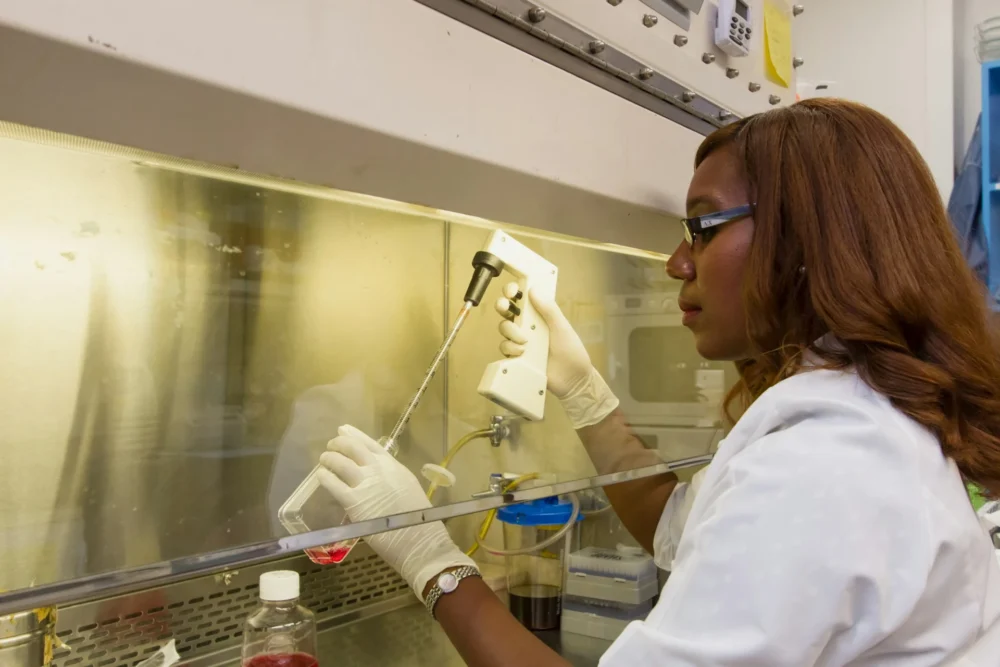
Photo by National Cancer Institute on Unsplash
Key Insights
- Scientists at NUS Medicine have identified a molecular “switch” that helps aging brains continue producing new nerve cells.
- The discovery sheds light on why the brain’s regenerative capacity declines with age — and how it might be preserved.
- The findings could open new avenues for treating age-related cognitive decline and neurodegenerative diseases.
Researchers at the Yong Loo Lin School of Medicine at the National University of Singapore (N-U-S Medicine) say they have identified a crucial molecular mechanism that allows aging brains to retain their ability to generate new nerve cells, a process known as neurogenesis.
The study focuses on a molecular “switch” that regulates the activity of neural stem cells — rare cells in the brain that can divide and develop into neurons. While these stem cells are abundant and highly active in young brains, their activity typically declines with age, contributing to memory loss and reduced cognitive flexibility.
According to the research team, the newly identified switch plays a pivotal role in maintaining a delicate balance: keeping neural stem cells alive and ready to activate, without pushing them into premature exhaustion. In aging brains, this balance is often disrupted, leading to a sharp drop in neuron production. By preserving the function of this switch, the brain appears better able to sustain neurogenesis even later in life.
What researchers found
“Our findings show that aging does not irreversibly shut down the brain’s regenerative potential,” the scientists noted. “Instead, it is actively regulated at the molecular level — and that regulation can potentially be influenced.”
Using advanced molecular and genetic techniques, the team demonstrated that when the switch is properly regulated, neural stem cells remain resilient and capable of generating new neurons despite age-related stress. Conversely, when the switch is impaired, stem cells lose their regenerative capacity much more rapidly.
The discovery has significant implications for brain health. Adult neurogenesis is closely linked to learning, memory, and emotional regulation, and its decline has been associated with neurodegenerative conditions such as Alzheimer’s disease and other forms of dementia.
By targeting this molecular pathway, researchers say future therapies could aim to slow cognitive aging or restore regenerative capacity in damaged or diseased brains. While the research is still at an early stage, the scientists say it provides a clearer biological target for interventions designed to keep the brain healthier for longer.