
Self-directed investors stay confident despite market volatility
New investors are just as confident as those who have been doing it for a while
Updated:

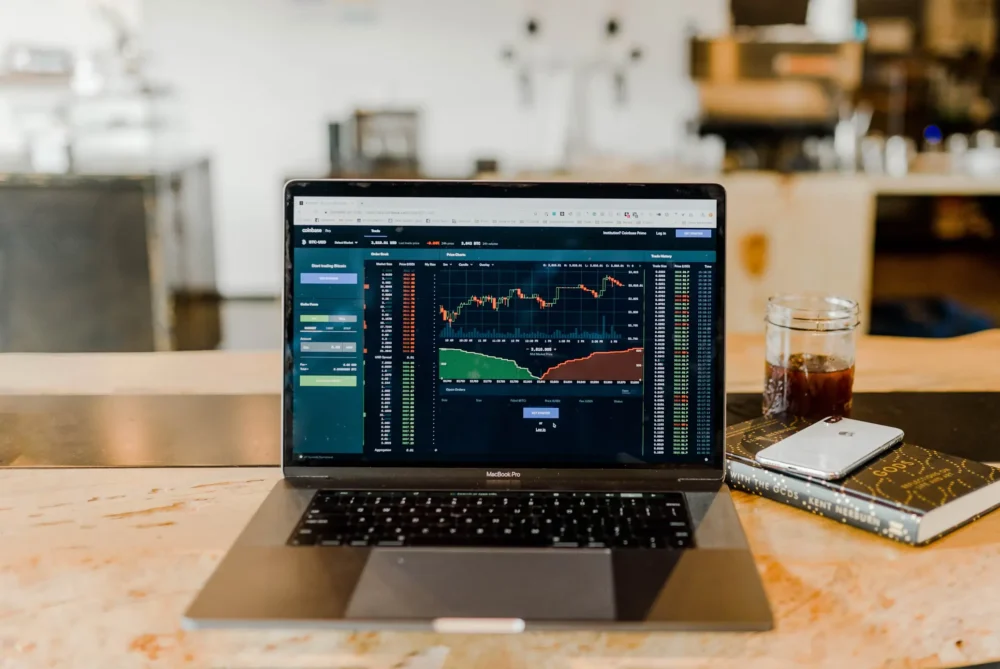
Photo by Austin Distel on Unsplash
Key Insights
- Fidelity’s Inaugural “State of the American Investor” study examines trading behaviors and attitudes of retail investors
- Differences emerge between seasoned and less-tenured investors, with years of experience translating to a lower risk tolerance and more pessimistic outlook
- Fidelity’s powerful tools and research capabilities help self-directed investors build confidence in trading, while offering unparalleled investment choice
Many retirement savers prefer to manage their own investments and, despite ups and downs in the stock market, a study by Fidelity Investments found that nearly two-thirds of self-directed investors expect their portfolios to perform the same or better in the coming months.
In Fidelity’s Inaugural “State of the American Investor” study, newer investors were found to be more optimistic and drawn to high-growth and non-traditional assets, while seasoned investors focus on stability.
Social media plays an outsized role in newer investors’ decisions, though it often leads to missteps.
Even with recent bouts of volatility, the study found that 64% of self-directed investors, those who manage their own portfolios, expect their holdings to perform the same or better in the coming months.
This optimism comes even though nearly half of respondents predict the overall market will weaken in the year ahead. Many traders are acting on this belief: almost half said they view market dips as opportunities to buy more. Fidelity’s own data reflects this trend, with traders maintaining a buy-sell ratio of 1.83 during the April 2025 market turmoil.
“Whether they’ve been investing for more than a decade or only recently started trading, the strength of Fidelity’s platform and the depth of our capabilities provide traders with the tools, timely insights, and resources they need to be confident investors,” said Josh Krugman, Fidelity’s senior vice president of Brokerage.
A divide between new and tenured investors
The study highlights stark differences between newer investors—those with five or fewer years of experience—and tenured investors with more than a decade in the markets.
- Tenured investors are prioritizing stability and loss prevention. More than a third say their risk tolerance is lower this year compared to last, and many are turning to income-producing assets like dividend-paying stocks and money market funds.
- Newer investors are more bullish, with nearly half planning to pursue higher-growth stocks in 2025. They are also more familiar with non-traditional assets like crypto and advanced strategies, such as covered calls or bond ladders.
Newer traders are also far more open to leverage and derivatives: they are five times more likely than seasoned investors to start using margin or options strategies within the next year.
Role of social media
One of the most striking findings concerns where investors get their information. More than a third of newer investors say they make most of their investing decisions based on social media, compared to just 10% of more experienced traders. Nearly half admit they have made poor investment choices as a result, underscoring the need for reliable sources of market education.
Fidelity’s study also examined what separates confident investors from those who feel less successful. Self-described successful investors tend to:
- Stay invested during market dips instead of selling off.
- View volatility as a natural part of markets.
- Prioritize historical performance of investments over general sentiment or news hype.
- Feel comfortable with the amount of risk in their portfolios.
In contrast, less confident investors are more likely to follow market mood, news coverage, or influencer recommendations when making decisions.
Tools and education
Fidelity says it is addressing these gaps by offering investors resources like live trading desk briefings, options strategy guides, crypto explainers, and fixed-income dashboards. These tools are designed to help both new and experienced traders refine their strategies and avoid costly mistakes.
The study makes clear that while investor sentiment varies with experience, confidence in personal portfolios remains strong. As markets continue to fluctuate, the ability to balance optimism with risk management may define how successful today’s self-directed investors are tomorrow.