
Seniors’ group steps up efforts to prevent falls
NCOA unveils its 2025 National Falls Prevention Action Plan
Updated:

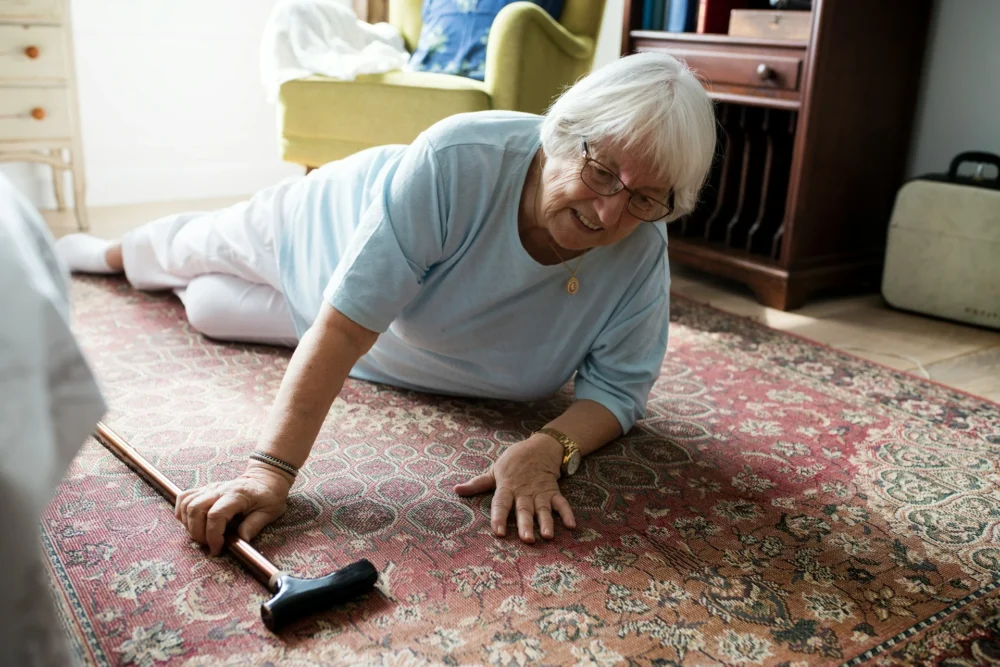
Photo by Curated Lifestyle on Unsplash
Key Insights
- The National Council on Aging (NCOA) has released its 2025 National Falls Prevention Action Plan, a 10-year strategy to reduce falls among older adults.
- Falls remain the leading cause of fatal and non-fatal injuries for Americans 65+, costing Medicare $80 billion annually.
- The new plan outlines six integrated goals, from awareness campaigns to data-driven prevention efforts, aiming to cut both injuries and health care costs.
The National Council on Aging (NCOA) has launched a comprehensive 10-year roadmap aimed at tackling one of the most persistent public health crises facing older Americans: Falling down.
The 2025 National Falls Prevention Action Plan, released ahead of Falls Prevention Awareness Week (September 22–26), outlines strategies to curb the millions of fall-related injuries that rob seniors of independence and cost the nation tens of billions of dollars each year.
“It’s time to stop falls in their tracks, so we can save lives and money,” said Ramsey Alwin, NCOA’s president and CEO. “Falls prevention requires a multi-disciplinary approach, and that’s exactly what this plan proposes.”
A growing and costly problem
Each year, more than 14 million Americans over the age of 65 – about one in four – experience a fall. These incidents are the leading cause of fatal and non-fatal injuries among seniors, contributing not only to hospital visits and long-term care needs but also to social isolation and loss of independence.
Falls not only cause minor injuries but also increasingly produce broken bones and sometimes fatal head injuries.
Medicare spends an estimated $80 billion annually treating fall-related injuries, a figure projected to soar to $101 billion by 2030. Despite the staggering costs, advocates stress that falls are largely preventable.
Effectiveness of prevention
Recent NCOA research highlights the effectiveness of evidence-based falls prevention programs. Participants in these programs reported a 56% reduction in injurious falls, a 52% drop in total falls, a 26% decrease in hospital admissions, and an 18% reduction in emergency room visits. Analysts estimate that a modest $45 million annual investment in such initiatives could yield up to $1.2 billion in savings for Medicare and Medicaid.
Senator Angus King (I-ME), co-founder of the Congressional Task Force on Falls Prevention, underscored the value of early action.
“The cheapest medical visit is the one that never has to happen. That’s why preventative action can be a win-win for older people across Maine and the nation, as well as the taxpayers,” he said.
The plan’s six goals
The Action Plan, developed over a year with input from 182 experts across health care, aging services, technology, and government, lays out six priority areas:
- Expand awareness with a national campaign to reframe the perception of falls and increase participation in prevention programs.
- Broaden funding by coordinating investments from government, insurers, health systems, and philanthropy.
- Scale interventions to expand access to clinical and community-based prevention programs nationwide.
- Coordinate care by strengthening partnerships among providers, public health, and social services.
- Harness technology through collaborations between developers and aging experts to design accessible prevention tools.
- Improve data and research to better understand who falls, why, and how interventions can be optimized.
The 2025 plan builds on previous proposals from 2005 and 2015, addressing enduring barriers such as stigma, lack of awareness, and poor coordination between clinical and community-based providers.
Bipartisan support
Lawmakers have welcomed the plan as a practical solution to improve lives while easing financial strain on the health care system. Senator Mike Rounds (R-SD) praised the initiative, noting that reducing falls allows seniors to live “healthier, more independent lives” while cutting costs for taxpayers.
Mary Lazare, acting assistant secretary for Aging and head of the Administration for Community Living, emphasized that preventing falls is not just a health care priority but a national imperative.
“Falls are not an inevitable part of aging,” she said. “They are a serious but preventable public health issue that costs the nation billions in avoidable health care expenses each year.”