
Smartphone tracking reveals hidden effects of insomnia medications
A new study focused on older adults
Updated:

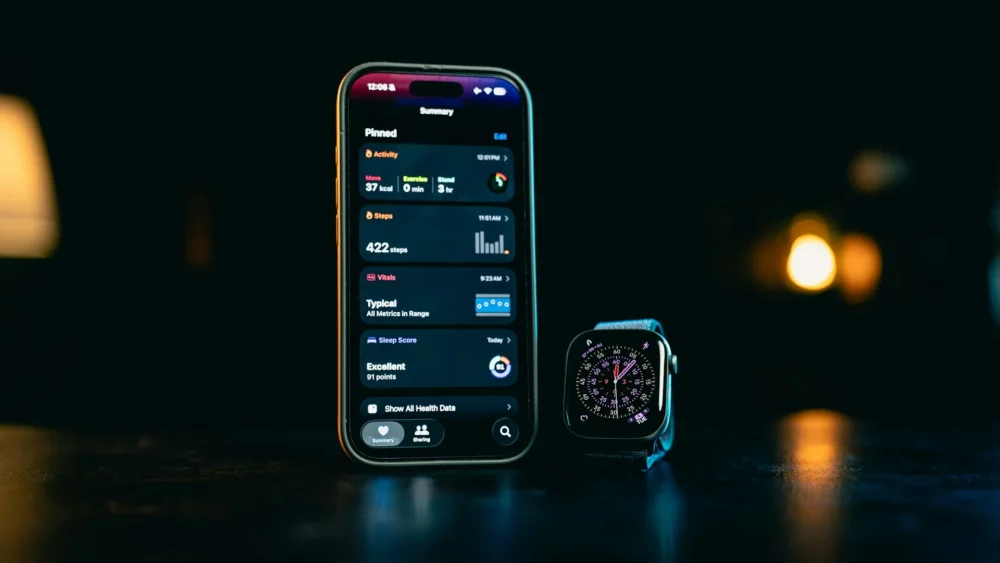
Photo by Amanz on Unsplash
Key Insights
- About one in nine U.S. adults lives with chronic insomnia, a condition linked not only to persistent sleep problems but also to daytime drowsiness, trouble thinking, irritability, and higher risks for conditions such as diabetes and heart disease if left untreated.
- Although many medications and behavioral treatments are available, clinicians still struggle to determine how well a specific therapy is working for an individual patient.
- New research suggests that real-time symptom tracking using smartphones may offer a more precise way to measure whether insomnia treatments are actually improving patients’ daytime functioning.
A new study from the University of Maryland School of Medicine indicates that smartphone-based, real-time assessments can outperform traditional questionnaires in detecting how well sleep medications work in people with chronic insomnia.
The findings, published in JAMA Network Open, suggest that capturing symptoms as they occur throughout the day may provide a clearer picture of treatment benefits—and drawbacks—than relying on patients’ memory alone.
The clinical trial focused on 40 adults between the ages of 60 and 85 who had chronic insomnia. Participants were randomly assigned to take either the sleep medication suvorexant or a placebo for 16 nights. Throughout the study, all participants used a smartphone app to record their daytime symptoms—such as fatigue, cognitive alertness, and mood—four times a day using a method known as ecological momentary assessment, or EMA.
What the trial revealed
Participants also completed standard, retrospective questionnaires before and after the treatment period, which are commonly used in both clinical practice and research to evaluate insomnia severity and related daytime symptoms.
While traditional questionnaires showed an overall improvement in insomnia severity between the treatment and placebo groups, they failed to identify meaningful differences in daytime functioning. In contrast, the smartphone-based EMA approach revealed more nuanced treatment effects.
According to the EMA data, participants who took suvorexant experienced increased fatigue and reduced cognitive alertness in the morning compared to those on placebo. However, those same participants reported less fatigue and more normalized cognition as the day progressed into the afternoon and evening. Mood scores among those taking suvorexant were numerically worse at all four assessment points, though the differences were not statistically significant.
Importantly, participants found the smartphone assessments easy to use. The study reported a completion rate of more than 93 percent across all surveys, highlighting strong engagement and the practical feasibility of using real-time digital tools in older adults.
Problems during the day
“Daytime symptoms such as fatigue, cognitive impairment, and mood disturbances are core features of insomnia,” said Emerson M. Wickwire, PhD, the study’s corresponding author. “Improving sleep is not enough. We need to determine how well treatments improve daytime functioning, which patients report matters most.”
Wickwire noted that retrospective questionnaires may miss subtle but clinically important changes that occur at different times of the day—changes that EMA was able to detect in this study.
Researchers say this is the first randomized controlled trial to use smartphone-based EMA as a formal outcome measure in a sleep-focused clinical trial. They believe the approach could play an important role in future studies of insomnia treatments, as well as other sleep disorders such as obstructive sleep apnea and excessive daytime sleepiness.
“These findings address a critical gap in sleep disorders clinical care and research,” Wickwire said. “When viewed as a complement to traditional approaches, EMA offers a sensitive and patient-centered way to measure treatment effects throughout the day, in real time.”
If adopted more broadly, the researchers say, smartphone-based assessments—especially when combined with wearables—could help doctors better personalize insomnia treatment and improve outcomes for millions of people struggling with sleep disorders.