
Social Security ‘clawing back’ overpayments to some recipients
Millions of people have reportedly been affected
Updated:

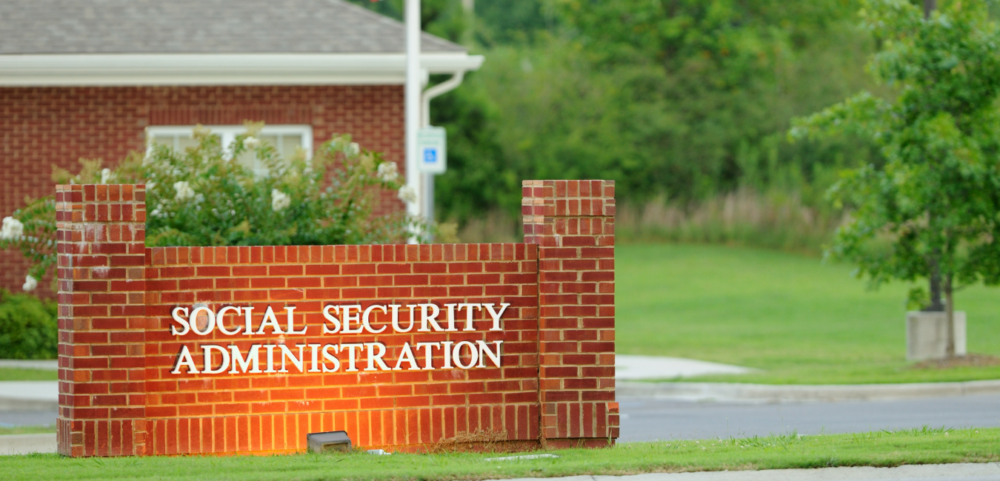
Photo by Turley Redmond & Rosasco, L.L.P.
Key Insights
- Widespread Overpayments Trigger Recoupment: The Social Security Administration (SSA) is reclaiming funds from beneficiaries who received excess payments due to administrative errors or changes in eligibility.
- Millions Affected, Confusion Abounds: Many recipients—especially the elderly and disabled—are being asked to repay thousands of dollars, often years after the overpayments occurred.
- Calls for Reform Intensify: Lawmakers and advocates are urging the SSA to revise its policies to prevent undue hardship and improve communication with vulnerable populations.
The Social Security Administration (SSA) is under renewed scrutiny for aggressively recovering overpaid benefits from recipients, including retirees, disabled individuals, and survivors, sometimes years after the funds were disbursed.
The practice—known as a “clawback”—has prompted outrage among affected Americans and calls for reform in how the SSA handles benefit overpayments.
The SSA disburses payments to more than 70 million Americans through programs such as Social Security Disability Insurance (SSDI), Supplemental Security Income (SSI), and retirement benefits. Overpayments can occur for a variety of reasons: beneficiaries may unknowingly exceed income thresholds, fail to report changes in their living situation, or receive incorrect payments due to clerical errors by the SSA itself.
According to internal audits and congressional reports, the SSA overpaid billions of dollars in recent years. While some of the discrepancies may be due to fraud, the overwhelming majority stem from system lags, outdated data, or administrative missteps. Once identified, even long after the payments were issued, the agency is legally required to recover the excess, sometimes demanding lump-sum repayments that beneficiaries cannot afford.
The human cost
hundreds of dollars without prior notice, leaving them unable to cover basic needs like housing, food, and medication.
Advocates for seniors and people with disabilities argue that the SSA’s tactics are overly harsh and confusing. Many recipients claim they never received adequate explanations or warnings, and appeals processes are often slow and complex.
The controversy has drawn attention on Capitol Hill, where lawmakers on both sides of the aisle have expressed concern. In recent hearings, members of Congress grilled SSA officials about their processes and pushed for safeguards to protect vulnerable Americans from unjust repayment demands.
Several watchdog groups have urged the SSA to modernize its systems and improve outreach efforts, particularly for populations with limited access to technology or legal assistance.
SSA responds
In response to public criticism, the SSA has stated it is reviewing its procedures and considering policy changes. A spokesperson noted that recipients can appeal repayment decisions, request waivers, or negotiate payment plans if repayment would cause financial hardship.
However, some critics argue that until the system is reformed, millions remain at risk of surprise debt from an institution that should be a source of support in their most vulnerable years.
As scrutiny intensifies, the SSA faces mounting pressure to strike a better balance between fiscal responsibility and compassionate administration. For now, recipients are urged to carefully monitor their benefits, report any changes promptly, and seek guidance if they receive a repayment notice.