
Study links disaster exposure to later higher death risk among seniors
The greatest risks are seen among those with chronic illnesses
Updated:

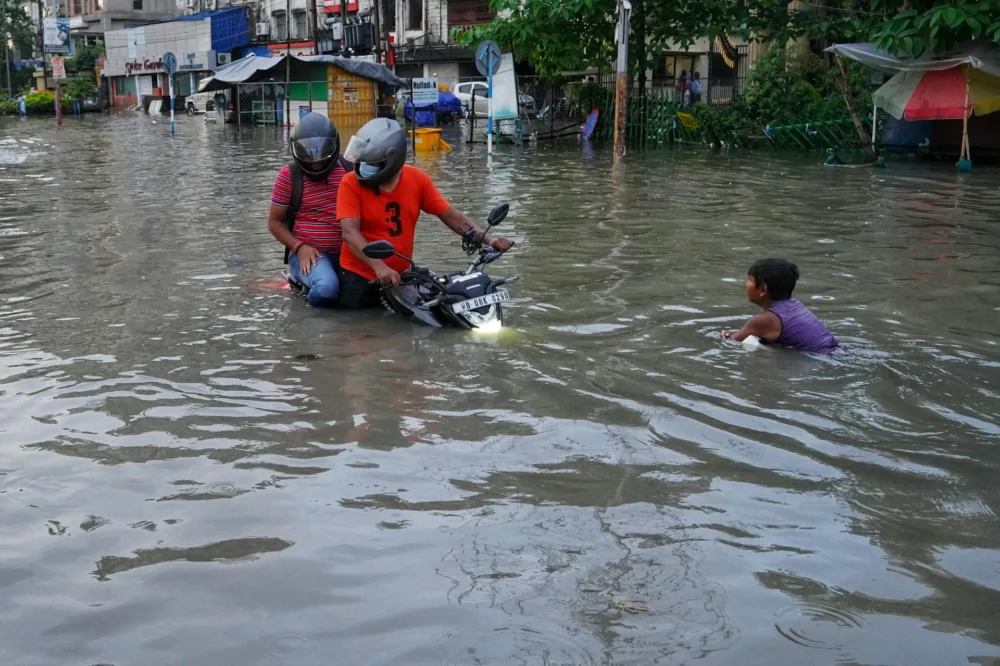
Photo by Dibakar Roy on Unsplash
Key Insights
- Older adults exposed to heavy rainfall from Hurricane Harvey faced a 3% higher risk of death in the year after the storm, according to new research from the University of Michigan.
- The increased risk was especially pronounced among seniors with chronic illnesses such as Alzheimer’s disease, kidney disease, and diabetes, as well as among Black and Hispanic/Latino populations.
- Researchers say the findings show that hurricanes and other disasters can have long-term, often hidden health consequences that extend far beyond the immediate aftermath.
A new University of Michigan study suggests that Hurricane Harvey’s true toll on human life may have been far greater than official counts indicated, particularly for older adults with existing health vulnerabilities.
The research, published in the Journal of the American Geriatrics Society, found that seniors aged 65 and older who were exposed to extreme rainfall during Hurricane Harvey in 2017 had a 3% higher risk of dying in the year following the storm. While hurricanes are known to cause immediate injuries and deaths, the study adds to growing evidence that disruptions caused by disasters can have lasting effects on health.
“These findings add to the evidence that disasters don’t just cause short-term disruptions,” said lead author Sue Anne Bell, an associate professor of nursing at the University of Michigan.
“They expose and magnify the underlying fragilities in our health systems. For older adults who rely on regular and consistent access to health care, even a temporary disruption to needed care can have lasting consequences.”
Medicare claim analysis
To reach their conclusions, Bell and colleagues from the University of Michigan and the University of Illinois Chicago analyzed Medicare claims data from nearly 1.8 million older adults living in Texas and Louisiana. The researchers compared health outcomes in the year before and the year after Hurricane Harvey, using detailed weather data to measure exposure to the storm’s extreme rainfall over a four-day period.
The study focused on people with chronic conditions that require ongoing medical care, including Alzheimer’s disease and related dementias, chronic kidney disease, and diabetes. Mortality risk was highest among these groups, with particularly striking numbers among patients with Alzheimer’s disease and related dementias.
Researchers estimated about 1,245 deaths in that group alone—representing a 5% higher risk of death in the year after the storm.
Older adults with chronic kidney disease were estimated to have experienced 423 additional deaths, or a 4% increase in risk, while those with diabetes also faced a 4% higher risk of dying.
Racial and ethnic disparities
The study also highlighted racial and ethnic disparities. Black older adults experienced a 6% higher mortality risk following the hurricane, while Hispanic and Latino seniors saw a 13% higher risk compared with other groups. These findings underscore how disasters can deepen existing inequalities in health and access to care.
Overall, the researchers estimate that approximately 3,738 additional deaths among older adults can be attributed to the year following Hurricane Harvey—far exceeding the official death toll of 103 lives, which largely reflects immediate storm-related fatalities. The estimate is unadjusted, but it points to the broader and longer-lasting impacts of severe weather.
In 2023 alone, the United States experienced 28 major weather disasters, causing nearly $93 billion in damages and 492 reported deaths. Older adults are a particular concern, as this population is growing rapidly and is heavily concentrated in the 18 Atlantic and Gulf Coast states most prone to hurricanes.