
Why more people are postponing retirement
Working provides meaning – and also financial security
Updated:

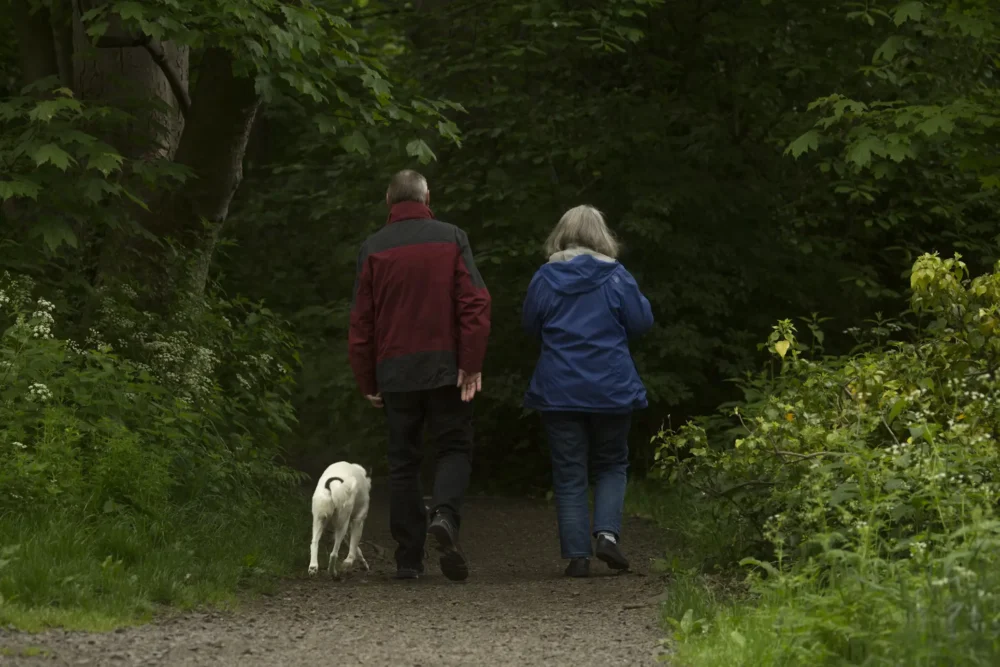
Photo by Diana Parkhouse on Unsplash
Key Insights
- Rising living costs and inflation are making retirement savings stretch less than expected.
- Longer lifespans mean people need more income security to cover decades of retirement.
- Many older adults find personal fulfillment and identity in continuing to work.
A recent study by the Alliance for Lifetime Income highlights a growing trend: more Americans of retirement age are delaying their exit from the workforce.
While the traditional idea of retirement once meant stepping back at 65 with a comfortable pension and Social Security benefits, the reality today is far more complex. Financial pressures, evolving career paths, and personal fulfillment are driving people to work longer than ever before.
One of the biggest reasons people are staying employed longer is the rising cost of living. Inflation has significantly reduced the purchasing power of retirement savings, leaving many older adults worried that their nest egg won’t last.
Healthcare, housing, and everyday expenses continue to climb, and Social Security benefits alone often fall short. For many, postponing retirement is less a choice than a financial necessity.
The longevity risk
Americans are living longer, which is both a blessing and a financial challenge. A person retiring at 65 may now live another 25 to 30 years. That extended retirement period requires much larger savings than previous generations needed. Concerns about outliving savings, sometimes referred to as “longevity risk,” push many to keep working, building additional financial security before making the transition.
Retirement is no longer seen solely as a time of leisure. Many people in their late 60s and 70s continue working because they find purpose, identity, and social connection in their careers. Others explore part-time work, consulting, or starting new businesses, viewing later years as an opportunity to stay engaged rather than withdrawing entirely. In fact, work itself has become a source of stability, both financial and emotional, for older adults.
The shifting retirement landscape
The study focuses on a broader cultural and economic shift. Retirement is no longer a one-size-fits-all milestone but rather a flexible stage of life. Some are working longer to ensure financial security, while others choose to delay retirement to remain active and fulfilled. For many, it’s a blend of both necessity and choice.
As Americans continue to navigate these changes, the concept of retirement will likely keep evolving, becoming less about leaving work behind entirely and more about reshaping what work and financial independence look like in later life.