
Winter weather increases the fall risk for older adults
‘Hidden’ ice can be especially problematic
Updated:

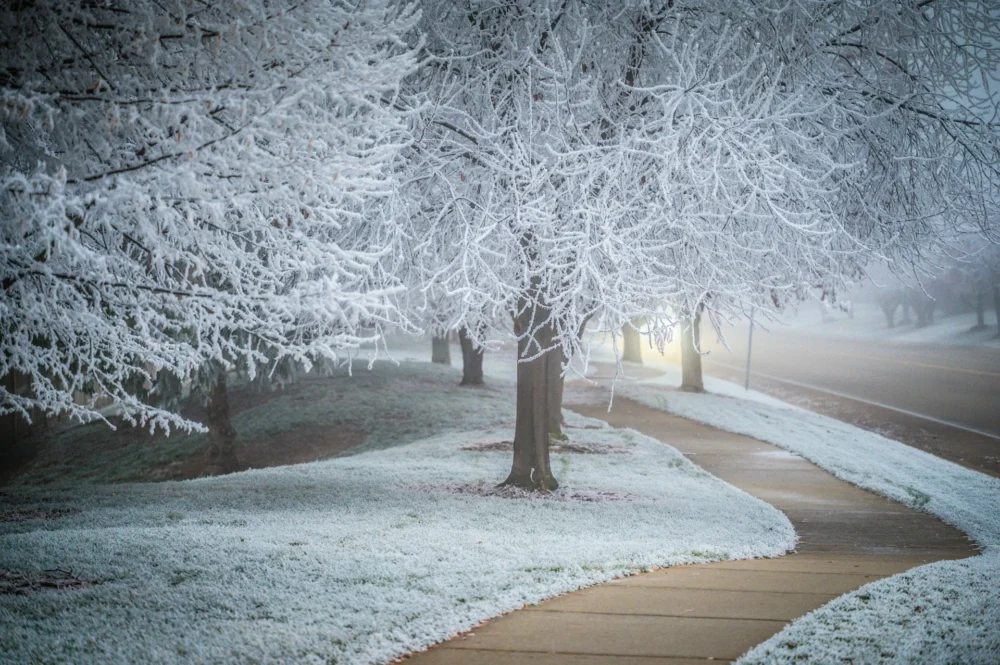
Photo by Kevin Butz on Unsplash
Key Insights
- A powerful snowstorm and prolonged freezing temperatures have turned many streets and sidewalks into treacherous obstacle courses.
- Snow and ice left behind create hazardous conditions that significantly increase the risk of slips and falls.
- Medical experts warn that even small, unseen patches of ice can lead to serious injuries if people let their guard down.
Older adults are at a higher risk of falls, even in good weather. But after a winter storm, the danger is magnified.
According to orthopedic trauma surgeon Dr. Aleksey Dvorzhinskiy of Hospital for Special Surgery (HSS) in New York City and HSS Long Island in Uniondale, icy conditions can linger for days and pose a serious threat to pedestrians and drivers alike.
“An invisible patch of ice is an accident waiting to happen,” Dr. Dvorzhinskiy said, noting that many people underestimate how severe a fall can be, especially when rushing to work, school, or other obligations.
Even when sidewalks and parking lots appear mostly clear, hidden ice often remains in shaded areas, near curbs, or between parked cars. These spots can refreeze after thawing, creating what’s commonly known as “black ice,” a thin, nearly invisible layer that is especially slick.
How to protect yourself
To reduce the risk of injury, Dr. Dvorzhinskiy urges people to slow down and plan ahead. Wearing footwear designed for traction — such as boots with rubber or neoprene composite soles — can make a critical difference. Smooth soles, plastic, leather, and high heels should be avoided in icy conditions.
How you walk matters, too. Taking short steps or shuffling when crossing icy areas can improve stability, while rushing increases the likelihood of losing balance. Staying aware of surroundings, keeping scarves secured, and ensuring hats or coats don’t obstruct vision are also important safety measures.
Stairways deserve extra attention, as snow and ice tend to accumulate there. Using handrails and placing each foot firmly on the step can help prevent dangerous missteps. When carrying items, it’s safer to make multiple trips rather than overloading yourself and throwing off your balance.
Behind the wheel
Drivers are not immune to winter hazards either. Dr. Dvorzhinskiy recommends parking in areas cleared of snow and ice when possible and using extra caution when getting in and out of vehicles. Older adults, who face a higher risk of serious fractures, may want to limit driving to daylight hours when icy patches are easier to spot.
Certain medications, including some cold, allergy, and pain medicines, can cause dizziness or drowsiness, further increasing fall risk on slippery surfaces. Being mindful of these side effects is especially important during winter weather.
Safety doesn’t stop at the front door. At home, walkways should be kept clear of clutter, and stairways should have sturdy handrails. Spreading sand, salt, gravel or even cat litter can add traction and help melt ice. Once indoors, removing snow and water from footwear can prevent slick floors inside the house.
Taking these precautions, Dr. Dvorzhinskiy said, can significantly reduce the chances of a fall and help people avoid injuries that could lead to a hospital visit.