
Retirement Living takes an unbiased approach to our reviews. We may earn money when you click a partner link. Learn More
Walk-In Shower Types
Explore walk-in shower types that enhance safety, comfort, and independence at home.


Updated:
AT A GLANCE:
- The most common types of walk-in showers are standalone walk-ins, corner walk-ins, and walk-tub/shower combos, which can be further defined by their enclosure and layout.
- All types of walk-in showers can be customized with features like glass doors, grab bars, non-slip flooring, lighting systems, and more.
- Walk-in showers are highly durable, have flexible layouts, and can increase home value, making them a popular option for homeowners and those with mobility issues.
Walk-in showers provide a barrier-free entry and exit into a shower enclosure. They are a practical solution for those with mobility challenges and those looking to age in place. Walk-in showers also offer a more modern, cleaner bathroom design, making them a popular choice for many homeowners.
There are several different walk-in shower types, and most can be categorized by their enclosure type and layout.
Types of Walk-in Showers
There are three different types of walk-in showers you will typically see.
1. Standalone Walk-in Shower
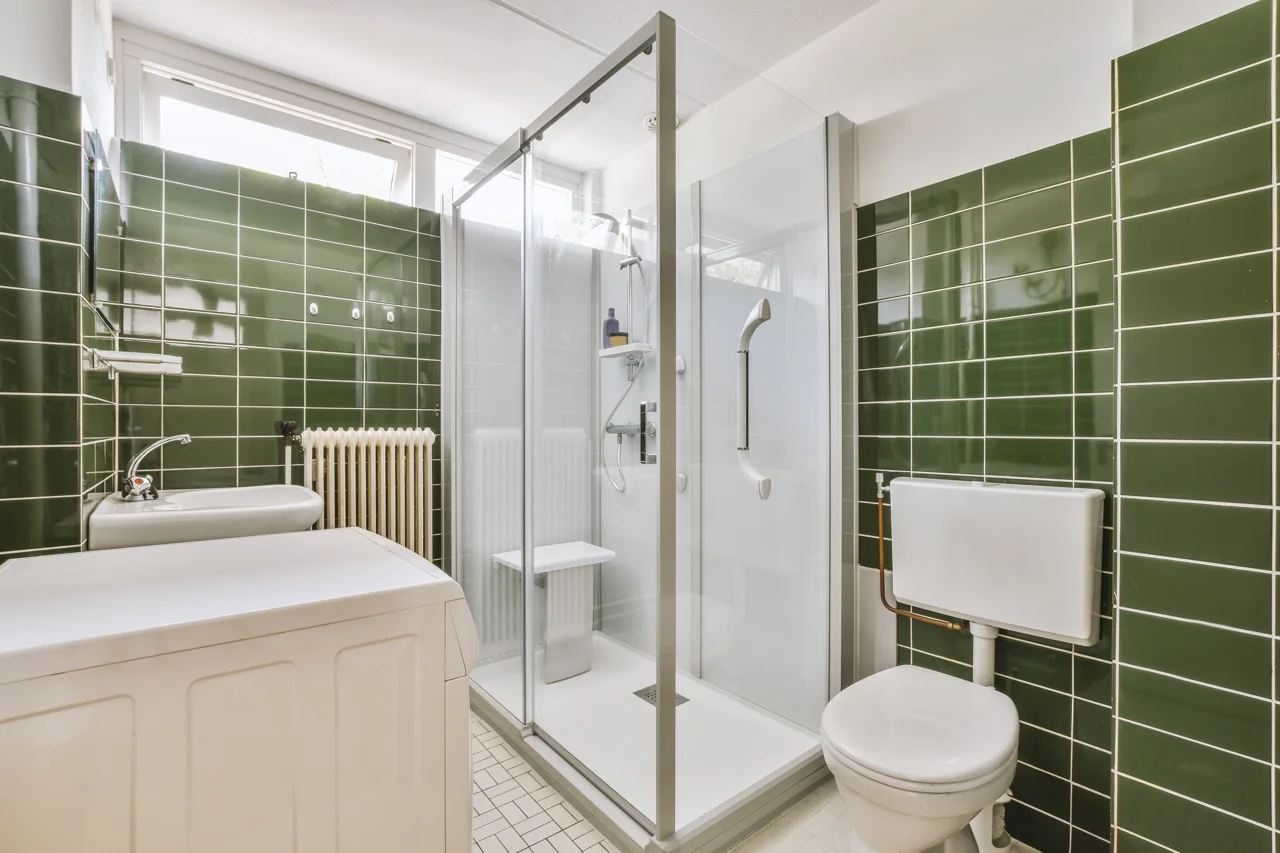
The standalone is the most common walk-in shower type. It connects to at least one wall and has a low or flush threshold. It creates a dedicated shower space and can be fully open or feature a glass panel or door for a splash guard.
2. Corner Walk-in Shower
A corner walk-in shower is similar to a standalone shower, but is designed to fit snugly into the corner of a bathroom. They typically connect to two walls for stability and offer a space-efficient design that’s perfect for small bathrooms.
3. Walk-In Tub/Shower Combo
The walk-in tub/shower combo is similar to a standard shower/tub combo commonly found in households. However, the tub portion has a door with a water-tight seal, allowing you to enter and exit safely. These types of walk-in tubs are great because they offer accessibility while letting you choose between a bath and a shower.
Styles of Walk-in Showers
The above list of walk-in showers provides us with a broad overview, but we can categorize walk-in showers by their enclosure type and layout to get a more detailed understanding of the many styles of walk-in showers available.
Types of Walk-in Shower Enclosures
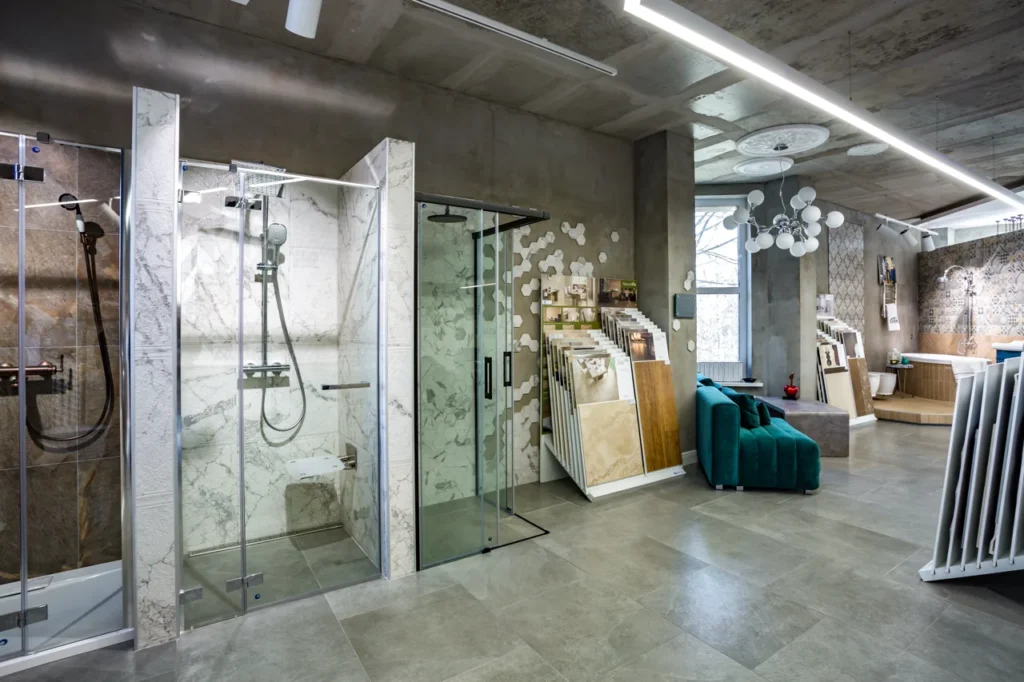
- Frameless Shower: Frameless enclosures typically have a thick, textured glass wall or panel and lack a metal frame, offering a sleek, modern look.
- Semi-Frameless Shower: A semi-framless walk-in shower design combines the minimalist look of a frameless enclosure with a subtle metal frame, providing extra structural support.
- Curbless Shower: Curbless enclosures remove the raised threshold entirely, creating a seamless, accessible entry and a smooth transition from the bathroom floor.
Types of Walk-in Shower Layouts
- Wet room: A wet room is a waterproofed bathroom space where the shower area is open and integrated with the rest of the room. It often has a sloped floor for proper drainage, but can also be one level. Wet rooms can also have floor tile, depending on your preferences.
- Alcove: The alcove layout is enclosed on three sides, with the fourth side being a glass panel, a curtain, or an opening. It is a cost-effective and space-saving option for a walk-in shower.
- Open-concept: An open-concept layout removes barriers between shower areas, offering a more modern, luxurious feel.
Walk-in Shower Features
Walk-in showers come with many common features that can be customized to meet your specific preferences and needs. Choosing the right features not only ensures a quality shower experience but also improves functionality and maintains easy access.
Types of Walk-in Shower Doors
Walk-in showers either have an open layout with no door, or they can add one of the door types below. The type of walk-in shower door you choose will depend on the size of your bathroom and budget.
- Frameless: This style is typically made entirely of glass and, as the name suggests, has no metal frame. Frameless glass doors are often the most expensive option, but they create an open look.
- Semi-frameless: A semi-framless door is the perfect mix between a fully-framed door and a frameless door. You can choose a hinged door that swings in or out or a sliding door, depending on what works best for your bathroom layout.
- Partial Wall: While not a typical door, the partial wall maintains the open aesthetic while providing coverage. Partial walls can extend from floor to ceiling or stop midway. Additionally, they can be made of textured glass, tile, acrylic/fiberglass panels, stone, or other materials.
- Curtains: If a door isn’t something you want or can afford, a budget-friendly way to ensure privacy and keep heat in the shower area is to install a shower curtain.
Common Accessibility Features of Walk-in Showers
Walk-in showers are a great solution for seniors and those with mobility challenges who want an accessible shower without sacrificing style or comfort.
- Level entry: Walk-in showers offer a low or curbless threshold to ensure easy access.
- Shower benches: Many walk-in showers have built-in or custom corner seats that provide a comfortable, safe place to sit.
- Handheld showerheads: These can detach from their mount, providing flexibility and an easier shower experience.
- Grab bars: Wall-mounted at convenient locations, grab bars provide an extra layer of safety and stability.
- Anti-scald valves: These ensure a consistent water temperature and prevent scalding.
- Non-slip flooring: Shower floors can become slippery with all the water and soap, especially in tile showers. Non-slip flooring ensures good traction and stable footing.
Luxury and Convenience Features for Walk-in Showers
Many walk-in showers have customizable features or add-ons you can incorporate to elevate your shower. However, keep in mind that these customizations will incur additional costs.
- Multiple shower heads: Choose from a variety of shower head types to create the shower experience you love. Options include rainfall showerheads, body sprays, and handhelds.
- Steam generator: For a spa-like experience, you can install a steam generator, which can help you relax at the end of a long day.
- Lighting: You can either install a window with frosted or textured glass for natural light or install overhead LEDs for mood lighting.
- Sound systems: You can integrate a Bluetooth sound system into your shower area to listen to music, podcasts, audiobooks, and more.
- Shower niches: These built-in shelves or indents are great for storing haircare products, soaps, and other essentials. They come in different styles, designs, and sizes.
Benefits of All Types of Walk-in Showers
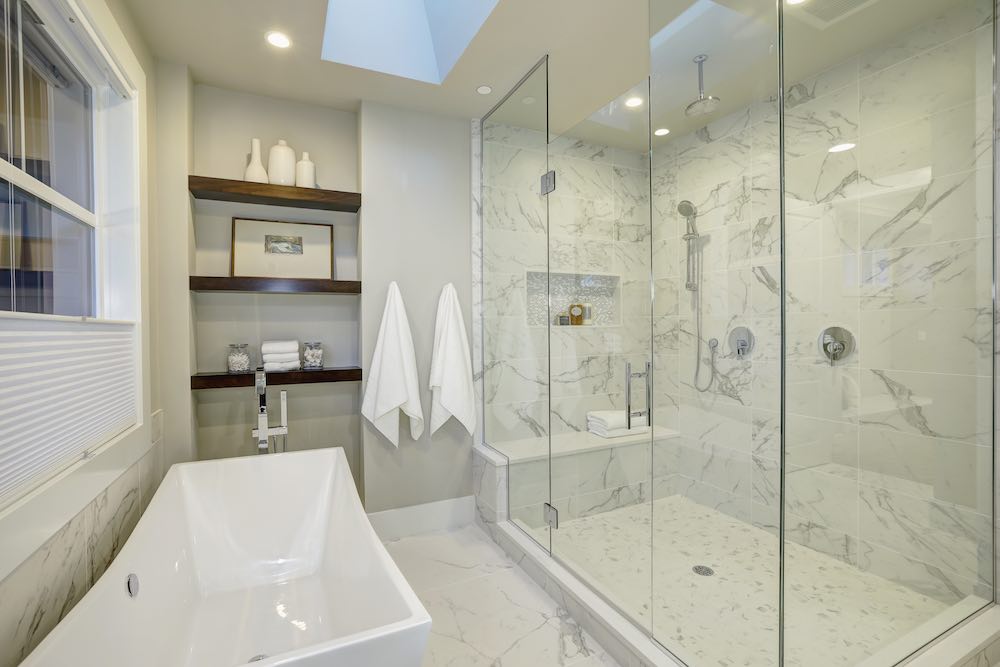
No matter which type of walk-in shower you choose, it will offer plenty of advantages. They’ve become increasingly popular among homeowners in recent years for the following reasons:
- Increased accessibility: Walk-in showers have either low or no thresholds, making them easy to enter and exit. Additionally, many can be installed with benches, grab bars, non-slip flooring, and more.
- Spaciousness: Because of their open design, walk-in showers typically offer more space to move around than traditional showers.
- Flexible design: You can choose from a variety of styles, including full glass showers, rain showers, tile or stone backdrops, and more. They are great for any bathroom aesthetic. Small walk-in showers can fit in smaller bathrooms with limited space.
- Easy to clean: Walk-in showers typically have fewer curves, joints, and grout lines, making them easier to clean than traditional showers.
- Increased home value: Installing a walk-in shower can boost your home’s value. Many potential buyers view these showers as a bonus.
- Durable and long-lasting: Their minimalist design means walk-in showers typically have fewer parts that require maintenance, making them last longer.
The Bottom Line
Whether you’re in the middle of a shower remodel and looking for walk-in shower ideas or planning to age in place, understanding the main types of walk-in showers available is important. We covered three main types of walk-in showers: standalone, corner, and walk-in tub/shower combos. However, due to endless customization options and many layouts, there are many types of walk-in showers to choose from.
No matter your needs, preferences, and budget, there is a walk-in shower that works best for you and your loved ones.
FAQs
A wetroom is a fully waterproofed bathroom with no separation between the shower space and the rest of the bathroom. The floor is usually sloped to allow water to drain. A walk-in shower is a separate, defined shower space. It’s typically separated by a glass enclosure or other barrier. Due to their extensive waterproofing requirements, wetrooms are typically more expensive than walk-in showers.
Walk-in showers can cost anywhere from $800 to $15,000+, depending on size, materials, and labor. The cost is also impacted by whether installation occurs during a new home construction or a bathroom remodel. Remodels tend to cost more because plumbing and electrical components often need to be adjusted.
Whether a doorless walk-in shower is a good idea depends on your personal preferences and needs. Doors can add another layer of obstruction, making it harder to enter and exit. They are also another surface that needs to be cleaned. A doorless shower avoids these problems. However, showers without doors can lead to water splashing everywhere, reduced privacy, and chilly drafts.
What materials are best will depend on priorities like budget, style, and maintenance. Ceramic or porcelain tiles are popular because of their classic look and durability. Natural stone is great for a high-end and luxury feel, but it will cost more. Options like acrylic or fiberglass panels are budget-friendly and easy to clean.
Yes, installing walk-in showers will typically require bathroom renovations. This is because you will have to remove the existing tub/shower unit and update plumbing and electrical systems. You’ll also alter the subfloor, install a shower pan, waterproof the room, and make other structural changes.
Help us improve our guides! If you’ve recently installed a walk-in shower or completed a bathroom remodel, we’d love to hear from you. Share your experience with us at [email protected]. Your personal details will stay completely confidential.