
Retirement Living takes an unbiased approach to our reviews. We may earn money when you click a partner link. Learn More
Best Walk-In Tubs for People with Disabilities of 2026
Our top picks offer a safer, easier bathing experience.


Updated:
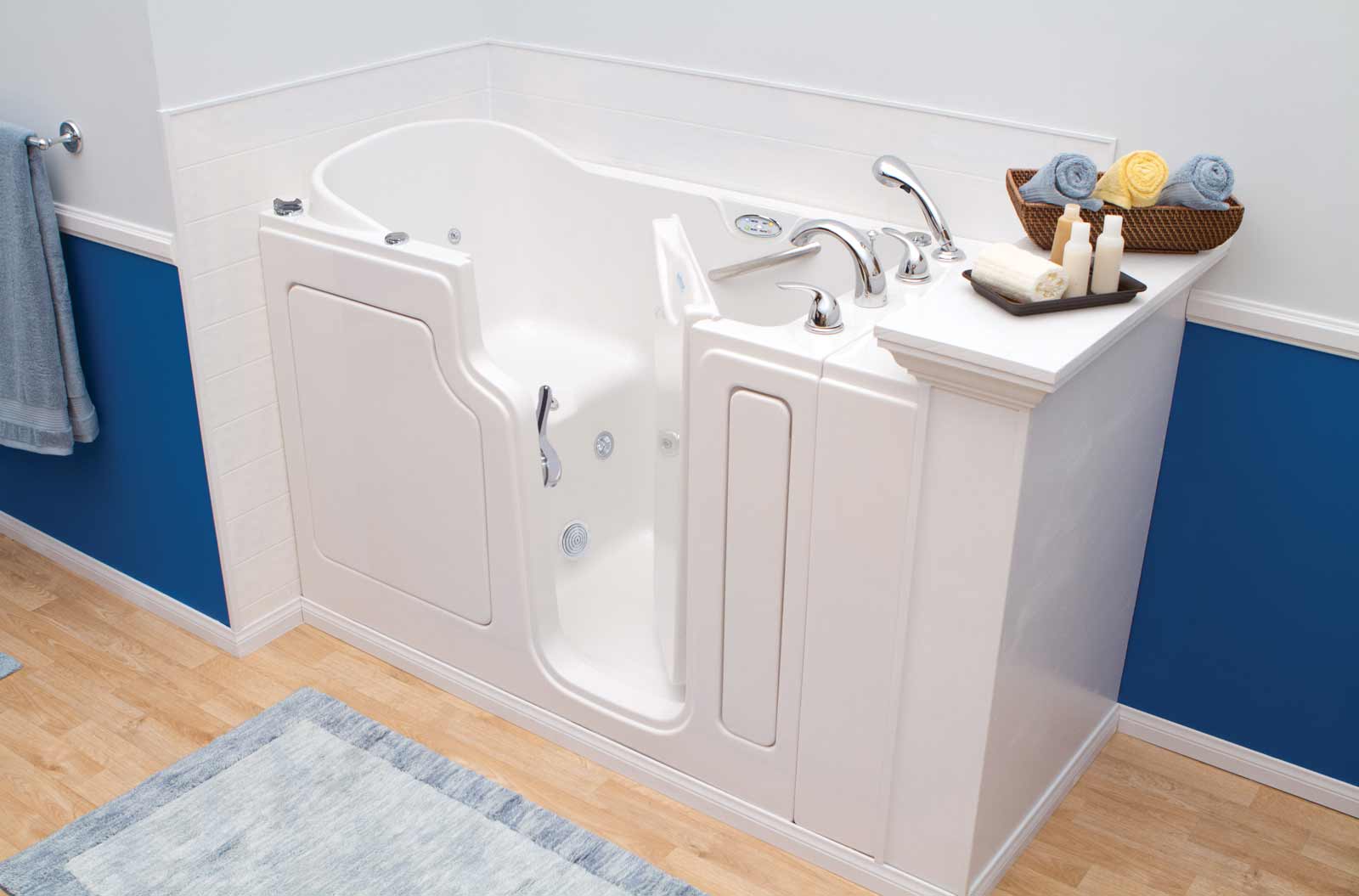
We reviewed leading walk-in tubs and identified brands that offer accessibility- and safety-focused designs for people with disabilities. Our top three providers that offer dependable solutions for disabled users are Ella’s Bubbles, American Standard, and Safe Step.

4.5
Ella’s Bubbles offers walk-in tubs that carry a lifetime limited warranty. The company offers a two-seater walk-in tub, ideal for couples. Tubs are available in various sizes and options to fit your specific needs.
- Great for couples
- Lay-down options for people with mobility issues
- Several luxury options and custom features available
American Standard offers walk-in tubs in a variety of customizable models to fit your bathroom’s space. A lifetime warranty covers the bath and installation, including labor.
- Custom Stalls
- Slip-resistant shower floors
- Full line of custom fixtures

4.7
Each walk-in tub from Safe Step includes a heated seat, a hand-held shower wand, a no-strength locking handle, and a built-in towel bar. Add-on devices are also available to enhance your independence and comfort.
- Great for joint pain
- Meets ADA compliance standards
- Shower-tub combinations
How We Chose the Best Walk-In Tubs for Disabled People
To identify the best walk-in tubs for people with disabilities, we started with a list of 25 walk-in tub brands. We spent more than 45 hours researching products online and in person, including contacting manufacturers, visiting showrooms, and speaking with aging-in-place and accessibility experts.
All the walk-in tubs we reviewed are ADA-compliant. We focused on walk-in tubs designed for people with disabilities. We considered real consumer feedback, compared safety features, and studied accessibility-focused designs. Our results include Ella’s Bubbles, American Standard, and Safe Step.
Walk-In Tubs for People with Disabilities Reviews
Not all walk-in tubs are designed with disability access in mind. The brands below stand out for offering features that support safer entry, stable seating, and everyday use for people with mobility limitations, giving you and your loved ones peace of mind.
Ellas Bubbles Review
Great for couples
|
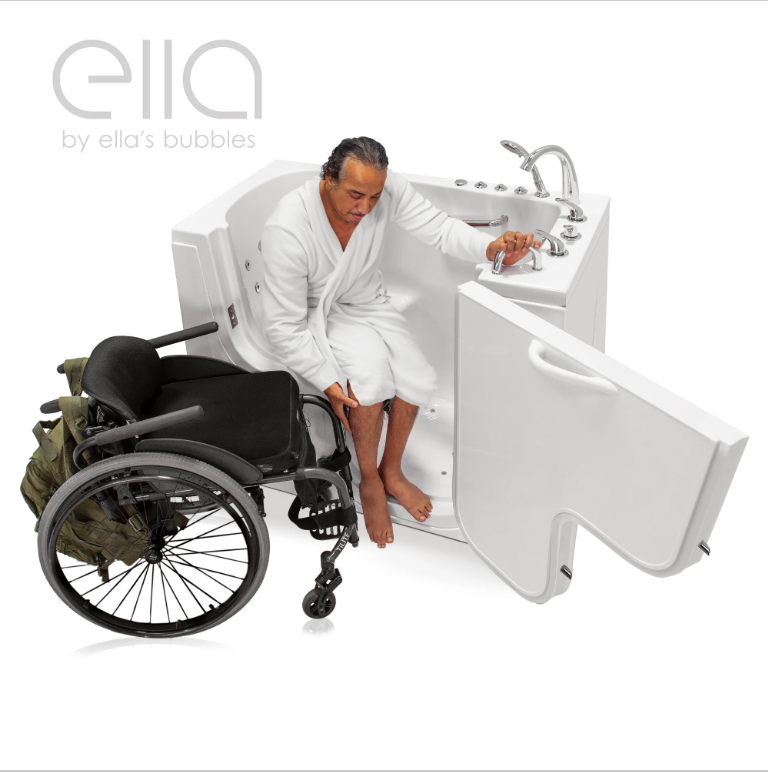
Ella’s Bubbles stands out for offering some of the most disability-focused walk-in tub designs on the market. The brand’s Transfer Series is designed for people who cannot step over a threshold or safely pivot into standard walk-in tubs. These models allow users to move laterally from a wheelchair directly onto a built-in seat in the tub, reducing strain on the hips, knees, and lower back.
Unlike many walk-in tubs that adapt standard designs for accessible bathing, Ella’s builds dedicated wheelchair-accessible tubs with wider entry points and transfer-friendly layouts. This makes them a strong option for individuals with permanent mobility limitations or those who rely on a wheelchair full-time.
While the focus is on accessibility, Ella’s Bubbles is one of the few brands that also offers upgrades for its wheelchair-accessible walk-in tubs. These upgrades depend on the model and are optional, not standard, but can include hydrotherapy jets, air jets, chromotherapy, and aromatherapy.
Key accessibility features include:
- Accessibility: Low step-in thresholds with extra-wide openings designed to support side transfers from a wheelchair.
- Door type: L-shaped, outward-swing doors that allow direct access to the built-in seat.
- Safety features: Wide molded seating and strategically placed grab bars for transfer stability.
Ella’s Bubbles prioritizes accessibility in these models, making them especially well-suited for disabled users who need dependable, consistent bathing access rather than optional comfort features.
For more information, read our full Ella’s Bubbles review.
American Standard Review
Great for soaking
|
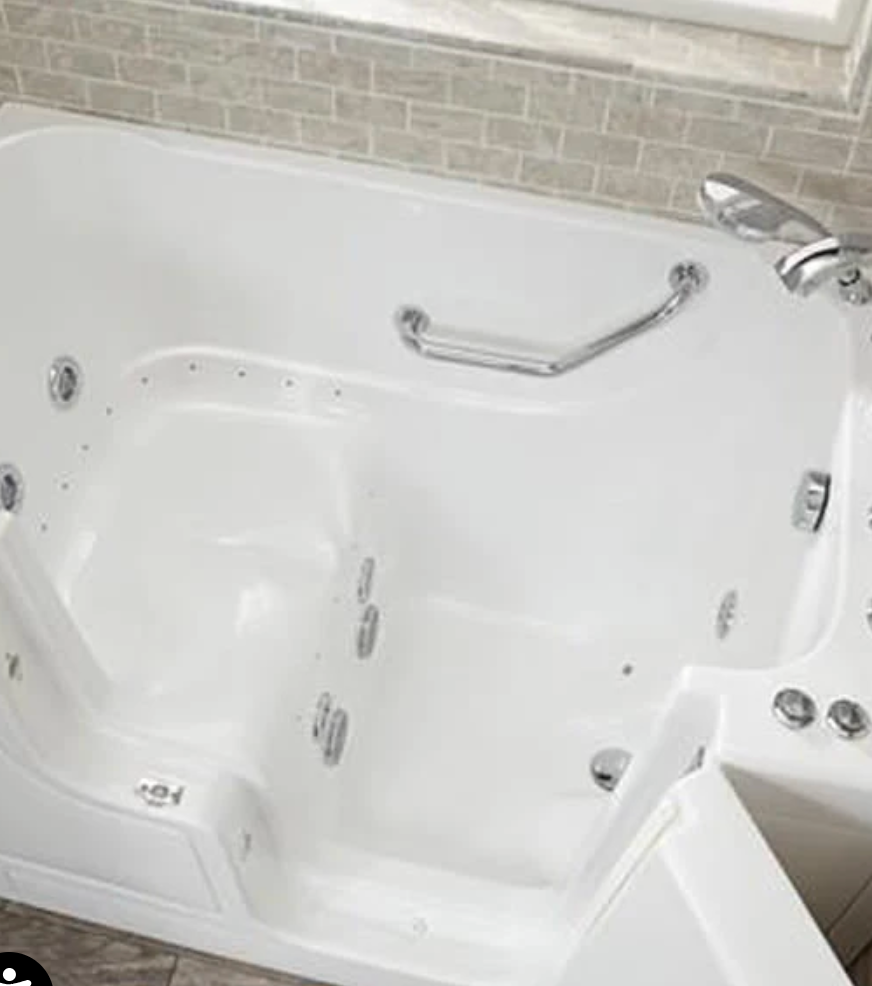
American Standard offers walk-in tub models that prioritize interior space, seat width, and structural durability for people with obesity, joint conditions, or balance limitations. The increased interior space, larger seats, and reinforced structural support make these walk-in tubs best for users who can step in with assistance or use mobility aids but need extra room and reinforced support once seated.
Key accessibility features include:
- Accessibility: Low step-in thresholds and wide entry reduce strain during entry and exit.
- Door type: Outward-swing doors make entry and exit easier while maximizing interior space.
- Safety features: Built-in, wide seats and multiple grab bars support balance.
American Standard emphasizes durability and interior support, making its walk-in tubs a dependable option for disabled individuals who need a roomier, reinforced bathing environment rather than wheelchair transfer access.
For more information, read our full American Standard review.
Safe Step Review
Great for joint pain
|
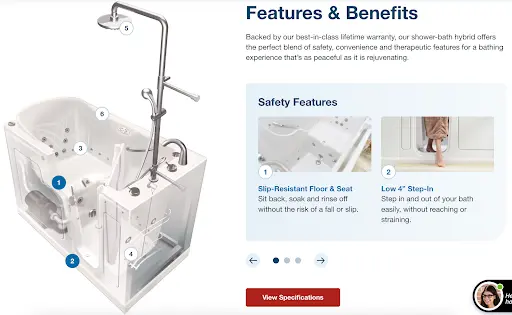
Safe Step walk-in tubs focus on safety features and accessible elements to support disabled users who need reliable, steady support during entry, bathing, and exit. These walk-in tubs have a low step-in threshold, making entering and exiting easier for people with balance or mobility challenges. These features also reduce strain on the lower body.
Safe Step focuses on helping users with limited strength, joint pain, or balance issues use the tub independently or with light assistance. Wide, easy-to-use doors, anti-slip flooring, and seating help disabled users stay secure once inside.
Key accessibility features include:
- Accessibility: Low threshold step-in for better entry and exits.
- Door type: Wide outward-swinging doors and easy-to-use locking handles for those with strength issues.
- Safety features: Built-in, slip-resistant seating and flooring, plus strategically placed grab bars for stability.
Safe Step tubs are designed with accessibility and safety in mind, making them a reliable choice for users with disabilities who need consistent support rather than specialized transfer setups.
For more information, read our full Safe Step review.
Walk-In Tub vs. Walk-In Tub for Disabilities
Not every walk-in bath is designed to meet the needs of people with disabilities. While walk-in tubs marketed to older adults with a risk of falling tend to focus on safety, disability-focused walk-in tubs address specific mobility, transfer, and safety challenges. Understanding the differences between the types of walk-in tubs helps make sure you choose a walk-in tub that supports your specific daily bathing needs.
Standard Walk-In Tubs
Standard walk-in tubs are typically designed for older adults who can step into the tub with little to no assistance and sit down independently. These tubs usually include a low entry threshold, built-in seating, and grab bars, but they often assume the user can pivot, balance briefly, and stand up without help.
For people with disabilities like mobility issues, strength, balance, or coordination limitations, these designs don’t provide enough transfer support or space for safe bathing.
Walk-In Tubs Designed for Disabilities
Walk-in tubs for people with disabilities are built to be more accessible and easy to use. These tubs often include wider entry openings, lower thresholds, and door designs that allow direct access to the seat. Some models are designed specifically for wheelchair transfers, reducing the need to step, pivot, or lower the body independently.
These tubs focus on safety and ease of use for those with mobility limitations. They prioritize stability, transfer safety, and ease of operation, while luxury features often take a back seat.
What to Consider When Buying a Walk-In Tub for People with Disabilities
If you or a loved one has a disability, a walk-in tub helps you maintain your independence and improves your well-being and quality of life. It’s important to consider a walk-in tub that meets your specific needs. The following features improve accessibility and safety, making them a higher priority than luxury features like water jets, air bubbles, heated seats, whirlpool massage jets, and the like.
- Low threshold: Reduces the need for a big physical step up, making entries and exits easier.
- Wheelchair accessibility: Supports transfers from a wheelchair into the tub, reducing joint strain and lowering fall risk.
- L-shaped, outward-swinging door: Creates a wider opening and, in some models, allows direct access to a built-in seat.
- Built-in, wide seat: Provides secure, comfortable seating for users who cannot stand safely while bathing.
- Grab bars: Provide secure support during transfers, sitting, and standing, helping with balance and reducing falls.
- Handheld shower head: Allows users to bathe while seated without twisting or standing.
Cost of Walk-In Tubs for People with Disabilities
Walk-in tubs for people with disabilities cost a little more than standard walk-in tubs and walk-in showers due to increased size, more in-depth configurations, and specialty features. ADA-compliant walk-in tubs generally range from $2,300 to $25,000. The average installed price is around $13,000, depending on the tub type, features, and any modifications needed.
Pricing for walk-in tubs for disabled people varies by brand and feature set. Ella’s Bubbles wheelchair-accessible transfer tubs cost between $4,600 to $10,600 for the tub alone due to wider doors and transfer-friendly designs. American Standard bariatric walk-in tubs typically range from $5,000 to $10,000, reflecting reinforced seating and higher weight capacities. Safe Step walk-in tubs offer flexible packages priced from $5,000 to $20,000, depending on the safety and therapy features you require.
Most disability-accessible walk-in tubs are made from the standard acrylic with a gel-coat finish, which is durable, heat-retentive, and easy to clean. Anti-slip material is also standard in the category, and none of these finishes affect cost. Professional installation usually adds $2,500 to $8,000, depending on plumbing, electrical upgrades, and tub size. Many companies also offer financing to help reduce upfront costs.homes, in particular, may need panel upgrades to safely power these additional components.
| Brand | Model Focus | Price Range | Cost Factors | Materials |
|---|---|---|---|---|
| Ella’s Bubbles | Wheelchair accessible | $4,600 – $10,600 | L-shaped transfer doors, wider openings, wheelchair-accessible layouts | Acrylic with gel-coat finish |
| American Standard | Bariatric | $5,000 – $10,000 | Higher weight capacity, wider built-in seats, reinforced construction | Acrylic with gel-coat finish |
| Safe Step | Safety features | $5,000 – $20,000 | Low thresholds, built-in seating, grab bars | Acrylic with gel-coat and anti-slip finish on floor and seat |
Benefits of Walk-In Tubs for Disabled Adults
Walk-in tubs designed for adults with disabilities reduce safety and accessibility challenges that make bathing difficult or unsafe in standard tubs or showers. These walk-in tubs for disabled adults offer the following benefits:
- Reduced fall risk: Equipped with low (or zero) entry thresholds, anti-slip surfaces, and strategically placed grab bars, falls can be prevented or reduced.
- Safer transfers: Designs like wheelchair-accessible models with wider doors help control transfers from a wheelchair to the tub’s built-in seat.
- Seated bathing: Built-in seats – often with a higher weight limit make users comfortable and secure so they can sit while bathing. This is ideal for people with limited strength, balance, or endurance.
- Greater independence: Accessible controls and handheld shower wands support independent bathing without constant assistance.
- Consistent daily use: Reinforced construction, higher weight limits, and ADA-compliant walk-in tub layouts support repeat, long-term use for individuals with permanent mobility issues.
For many disabled individuals, a walk-in tub is safer and less physically taxing. They offer peace of mind, dignity, and independence at home.
Frequently Asked Questions about Walk-In Tubs for People with Disabilities
Medicare doesn’t cover the cost of walk-in tubs for people with disabilities. These tubs are considered home modifications, not durable medical equipment. Sometimes, Medicare Advantage plans, or state Medicaid waiver programs offer partial assistance, but coverage varies widely.
Disadvantages of a walk-in tub include a higher upfront cost, a longer installation time, and the need to sit in the tub while it fills and drains. Sometimes a total remodel is needed to make this type of tub work in your home, which drastically increases the cost.
Yes, a walk-in tub qualifies as a disability-related home modification, especially when it’s an ADA-compliant walk-in tub and installed to support accessibility needs. Because of this qualification, it could be eligible for certain grants, a Medicaid waiver program, VA benefits, or tax considerations. These are dependent on individual circumstances and what you qualify for. Documentation from a medical provider is usually required to apply.
The best walk-in tub for a wheelchair user is one specifically designed for lateral transfers, such as a transfer tub with an extra-wide, L-shaped outward-swing door and direct seat access. Our top brand is Ella’s Bubbles, which offers the Transfer series specifically for this.
Concluding Thoughts on Walk-In Tubs for People with Disabilities
Walk-in tubs are a valuable accessibility solution for people with disabilities. They help reduce fall risk and support safer, seated bathing. For individuals with mobility issues, wheelchair use, or balance challenges, the right walk-in tub makes daily bathing manageable. It’s important to evaluate your specific needs and consult with professionals to ensure the tub you choose truly supports your level of disability and home layout.