
Retirement Living takes an unbiased approach to our reviews. We may earn money when you click a partner link. Learn More
How Do Hearing Aids Work?
Modern hearing aid technology converts and amplifies sound waves while filtering out background noise.


Updated:
At a glance:
- Hearing aids have a microphone that converts sound waves into electrical signals, which are then amplified, sent to a speaker, and into your ears.
- Hearing aids help improve your mental health, cognitive health, memory, physical health, and balance.
- Hearing aids are best for people with any form of hearing loss, from mild to severe, regardless of age.
Hearing aids are wonderful tools designed for individuals experiencing hearing loss. They enable people to fully participate in the world around them, reduce stress, and improve mental and cognitive health. If you’re considering getting hearing aids, then it’s helpful to understand how they actually work.
What are Hearing Aids?
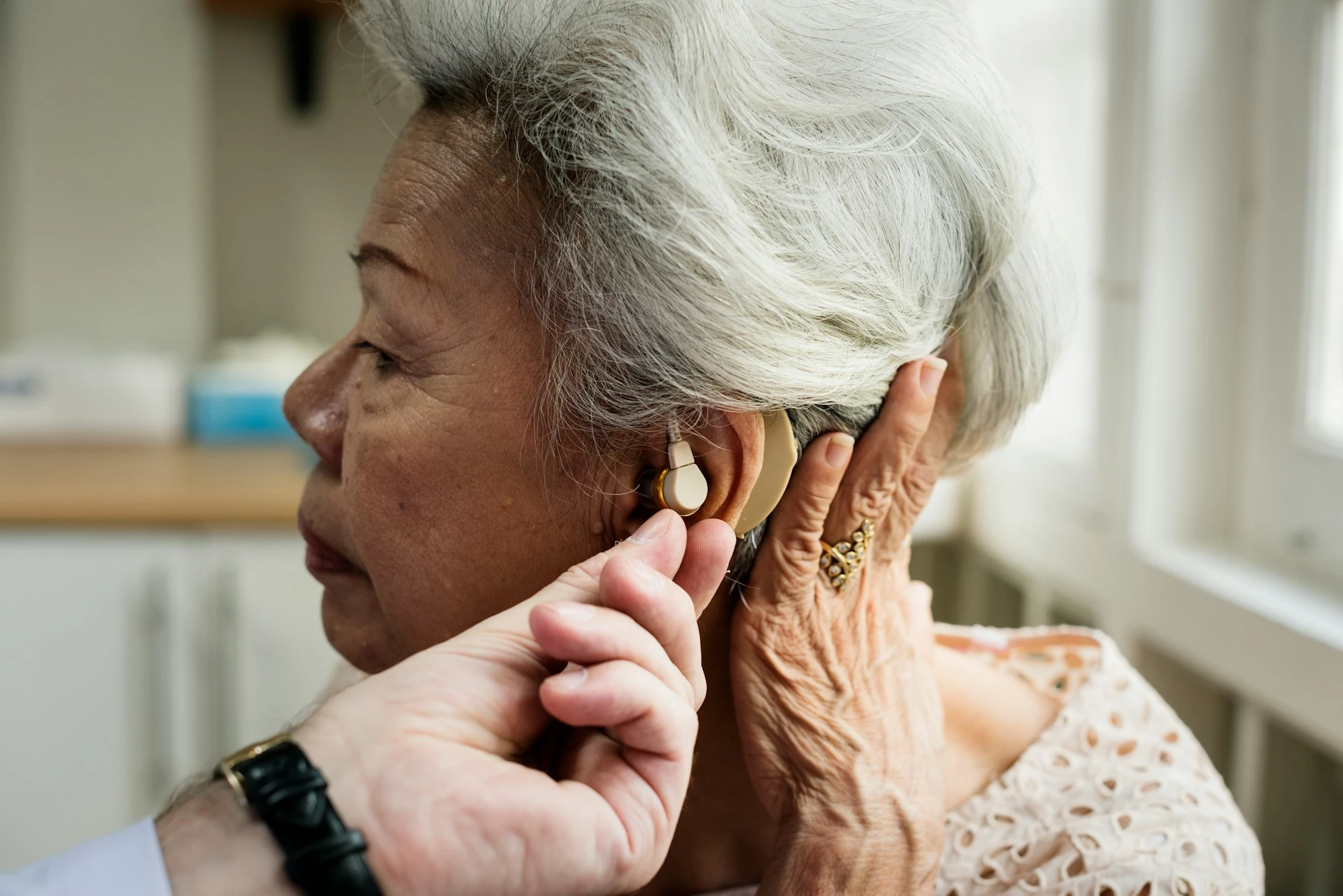
Hearing aids are electronic devices that amplify sound for those with hearing loss. The device captures sounds and amplifies them so you can hear better. Most hearing aids are small and discreet and can be worn either in or behind the ear. It’s important to note that these don’t restore natural hearing to its previous level, but hearing aids help people hear better in different environments and improve communication.
Before getting a hearing aid, it’s important to know the type of hearing loss you have. To get accurate information, we highly recommend making an otolaryngology appointment (with an ENT) or contacting an audiologist for a hearing test.
Once you’re properly informed about your hearing needs, you can research providers and find the best hearing aid for you.
How Does a Hearing Aid Work?
Hearing aids are equipped with a microphone that captures sound waves and converts them into an electrical signal. The signal is amplified, sent to a speaker, converted back into sound waves, and fed to your ears. These components work together to assist with hearing.
The basic parts of a hearing aid include:
- Microphone: Picks up the sound and converts it into an electrical or digital signal. Hearing aids may come with directional microphones, which pick up sounds from one direction; omnidirectional microphones, which pick up sounds from all directions; or adaptive microphones, which can be adjusted to the wearer’s hearing needs.
- Amplifier: Increases the strength of the electrical signal and, in more advanced devices, manipulates the signal to remove unwanted sounds, such as background noise.
- Speaker: Also known as the receiver, the speaker converts the amplified signal back into sound waves and sends them to the inner ear canal.
- Battery: All hearing aids are powered by either disposable or rechargeable batteries, which, thanks to modern technology, are small and discreet.
Most modern hearing aids are digital and can be programmed to meet your preferences, improving sound quality in noisy environments for better hearing. Additionally, modern hearing aid technology, like telecoils and Bluetooth, allows you to connect your smartphone to your hearing aids and take calls directly through them, or even listen to music.
Types of Hearing Aids
There are many types of hearing aids for seniors and those with hearing loss. Hearing aids can be prescribed by a licensed professional or purchased over the counter.
- Prescription hearing aids: Recommended for individuals with mild-to-severe hearing loss, and must be prescribed and fitted by an audiologist or hearing instrument specialist after an exam.
- Over-the-counter hearing aids: Intended for adults (18+) with mild-to-moderate perceived hearing loss. These can be purchased without a prescription.
Below, we provide a brief overview of the most common types of hearing aids to help you understand available options.
| Hearing Aid Style | Fit and Use |
|---|---|
| Behind-The-Ear (BTE) | – Speaker behind the ear – Largest style – Mild to severe hearing loss |
| Receiver-In-Canal (RIC) / Receiver-In-The-Ear (RITE) | – Speaker in the canal – Similar to BTEs, with better amplification – Mild to moderate hearing loss |
| In-The-Ear (ITE) | – Speaker in the outer ear – Biggest, custom-fit option – Mild to severe hearing loss |
| In-The-Canal (ITC) | – Components in the lower, outer ear and in the canal – Custom-fit, smaller ITE model – Mild to moderate hearing loss |
| Completely-In-Canal (CIC) | – Speaker in the canal – Small, custom fit – Mild to moderate hearing loss |
| Invisible (IIC) | – Speaker in the canal – Smallest and most discreet model – Mild to moderate hearing loss |
Source: Retirement Living: Hearing Aid Types Explained
Benefits of Hearing Aids
Hearing aids can be life-changing for those with mild to profound hearing loss. They enable individuals to participate more fully in conversations and engage with the sounds around them.
Hearing aids benefit your:
- Mental Health: Hearing aids allow people to hear, reducing feelings of depression, anger, and anxiety.
- Cognitive Health: Studies show that those with hearing loss are at an increased risk of cognitive decline; hearing aids help fight this decline and improve cognition.
- Memory: Similarly, hearing aids help boost memory, both short- and long-term.
- Physical Health: Consistent use of hearing aids is associated with reduced falls and physical injuries.
- Balance: Our balance is greatly linked to the inner ear, so as hearing declines, our balance can worsen. Those who use hearing aids may see an improvement in balance.
Hearing aids have proven time and time again to benefit general health. By utilizing these tools, you can maintain your hearing health, more easily participate in conversations, enjoy music & television, and improve your quality of life.
Who Should Wear Hearing Aids?
Those who most benefit from wearing hearing aids are those with any form of hearing loss, from mild to severe. However, people who struggle with certain types of hearing loss will greatly benefit from wearing hearing aids, as these devices can improve health and cognition.
Individuals with these symptoms should consider wearing hearing aids:
- Difficulty hearing speech
- Inability to hear common sounds, like phones, doorbells, or home appliances
- Needing to increase the volume on a TV or radio regularly
- Ringing in ears (tinnitus)
- Mild to moderate hearing loss
- Bilateral hearing loss
The Bottom Line on How Hearing Aids Work
While some may not enjoy the idea of using hearing aids, they are wonderful tools that offer tremendous benefits, capturing sound and enabling the user to hear better and connect with others. Untreated hearing loss can cause mental and physical struggles, so receiving treatment is a vital step in one’s healthcare.
No matter your age, if you’re suffering from hearing loss, finding the right hearing aid for you makes a major difference.
Frequently Asked Questions (FAQs): How Hearing Aids Work
Some disadvantages of wearing hearing aids include adjustment difficulties, potential discomfort or itchiness, feedback/whistling, amplifying background noise, maintenance issues (earwax/moisture), battery life, and possible connectivity problems.
Which type of hearing aid is better often depends on your preferences. Behind-the-ear (BTE) hearing aids are generally considered more versatile, powerful, and durable, while in-the-ear (ITE) models offer a more discreet, custom fit. BTE types are better for severe loss and functionality, whereas ITE types are often preferred for aesthetics and easier handling.
Yes, hearing aids can help manage tinnitus by amplifying external sounds, masking internal ringing, providing distraction, reducing listening fatigue, and even incorporating sound therapy features like white noise to make tinnitus less noticeable and bothersome.
Digital hearing aids use tiny microphones to convert sound waves into digitized numerical codes. A computer chip then analyzes, filters, and amplifies specific frequencies, while suppressing background noises in real time. On the other hand, analog hearing aids simply amplify all sounds uniformly, offering less precise control.
To adjust to your new hearing aids, we recommend wearing them for a few hours a day in a quiet, familiar space, which will help you adapt to new sounds without getting overwhelmed. Once you start to adjust, you can gradually increase to wearing them all day and in various locations.
Help us improve our cost data! Email your latest hearing aids quote to [email protected]. Rest assured, your personal details will remain completely confidential.