
Retirement Living takes an unbiased approach to our reviews. We may earn money when you click a partner link. Learn More
Hearing Aid Molds vs. Domes
Hearing aid domes are a fast, affordable solution for seniors who want to save on upfront costs, especially if their hearing loss is only mild to moderate. Custom earmolds are more expensive to fit or replace, but provide better overall sound quality for seniors with more severe hearing loss.


Updated:
At a glance:
- Hearing aid domes come in standard sizes, making them easy to purchase cheaply and quickly (usually less than $20). On the other hand, hearing aid molds are custom-fitted to your ear canal, raising upfront costs to between $50 and $200+.
- Custom earmolds are usually more efficient at picking up low-frequency sounds, making them more effective for seniors with severe or profound hearing loss.
- While domes generally have lower sound quality, their open fit is great for managing unwanted sounds caused by the occlusion effect.
After wrapping up an audiologist-recommended hearing test, seniors might be recommended a variety of hearing aid devices. However, the right hearing aid for you depends on several factors, including your degree of hearing loss, ear canal shape, and hearing health conditions.
Aside from comparing different styles, such as behind-the-ear (BTE) or in-the-canal (ITC) hearing aids, it’s also important to know which receiver tip will help you the most. Two of the most common options are domes and custom earmolds. Below, we’ve compared both, so whether you suffer from mild or severe hearing loss, you can enjoy better sound quality day-to-day.
What Are Hearing Aid Domes?
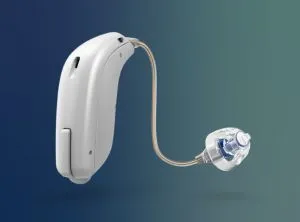
Often bought as an over-the-counter (OTC) solution, though many can also be prescribed, hearing aid domes are the soft, bell-shaped tips attached to the end of the hearing aid receiver. They’re generally made of silicone and sit inside the ear canal.
These devices are designed to fit as many people as possible while staying comfortable and providing better hearing. Their versatility and affordability make them a popular choice, as they can be replaced at home without a visit to your audiologist. However, it’s important to be mindful of their limitations.
Hearing Aid Dome Types
Depending on your ear canal shape and degree of hearing loss, different dome types work best. You can find most of these available at your local pharmacy:
- Open domes: Ideal for mild hearing loss or specifically high-frequency hearing loss, these domes feature small vents or openings that funnel natural sounds into the ear canal.
- Closed domes: The tighter seal reduces background noise and improves low-frequency sound quality, making them better suited for moderate hearing loss.
- Power domes: Offer the most secure seal for maximum amplification, so seniors with severe to profound hearing loss can achieve better hearing.
- Double domes: Feature a dual-layer design for a more stable fit, balancing sound amplification with comfort for mild to moderate hearing loss.
Which Hearing Aid Styles Use Domes?
If you want to wear hearing aids with domes, you’ll most likely find receiver-in-canal (RIC) hearing aid options, otherwise known as receiver-in-the-ear (RITE). Some behind-the-ear (BTE) models also have domes. Both styles route sound directly into the ear canal via thin hearing aid tubing, making domes a natural fit.
What Is a Custom Earmold For Hearing Aids?
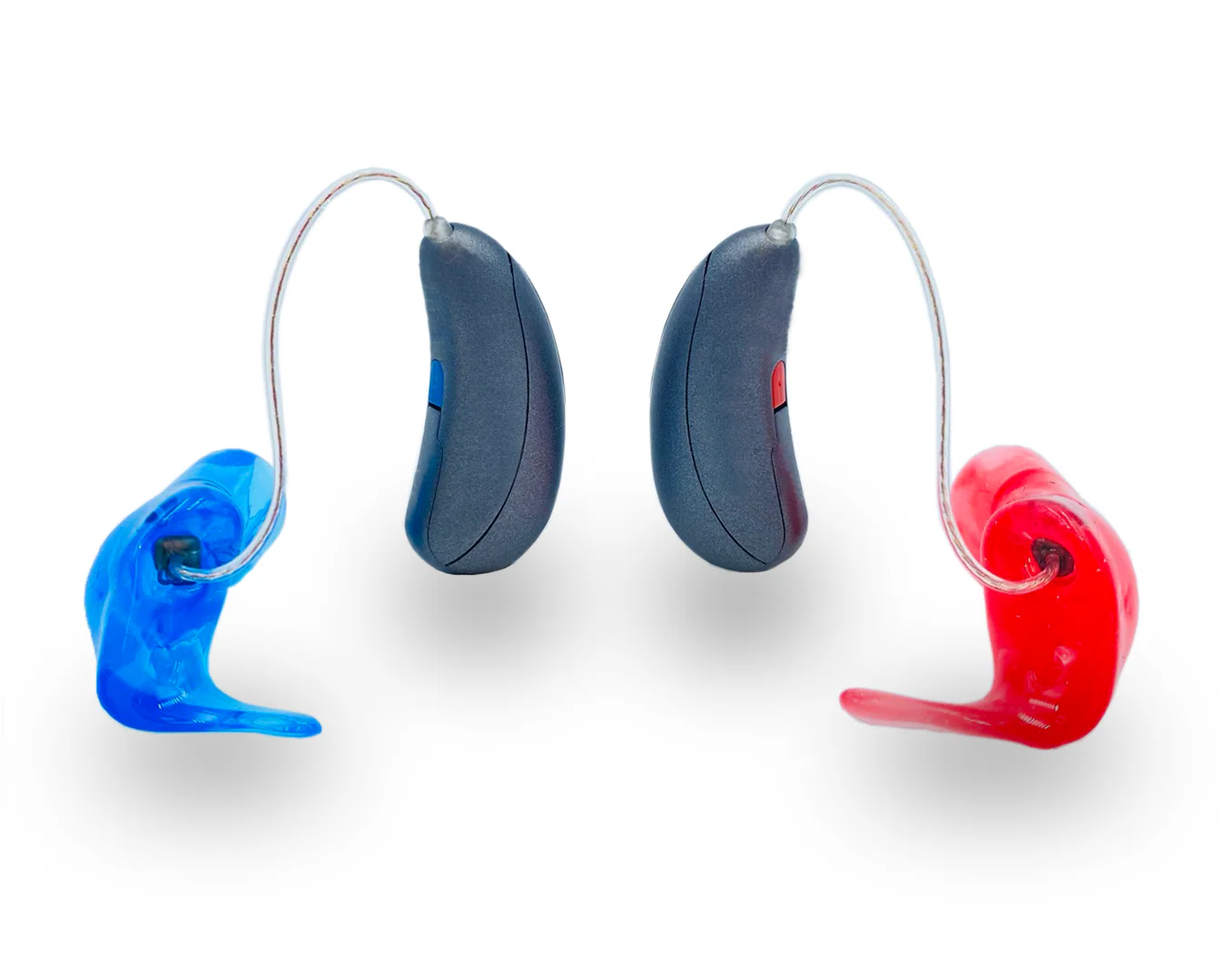
Unlike domes, which are designed to broadly fit as many people as possible, earmolds are personalized hearing aid attachments made using an impression of your ear canal. Depending on your exact hearing care needs, they can be crafted from silicone, acrylic, or vinyl.
By fitting the ear more precisely, seniors enjoy a more secure seal and greater sound amplification. This makes custom earmolds a great option for those with significant hearing loss or unique ear canal shapes.
Hearing Aid Earmold Types
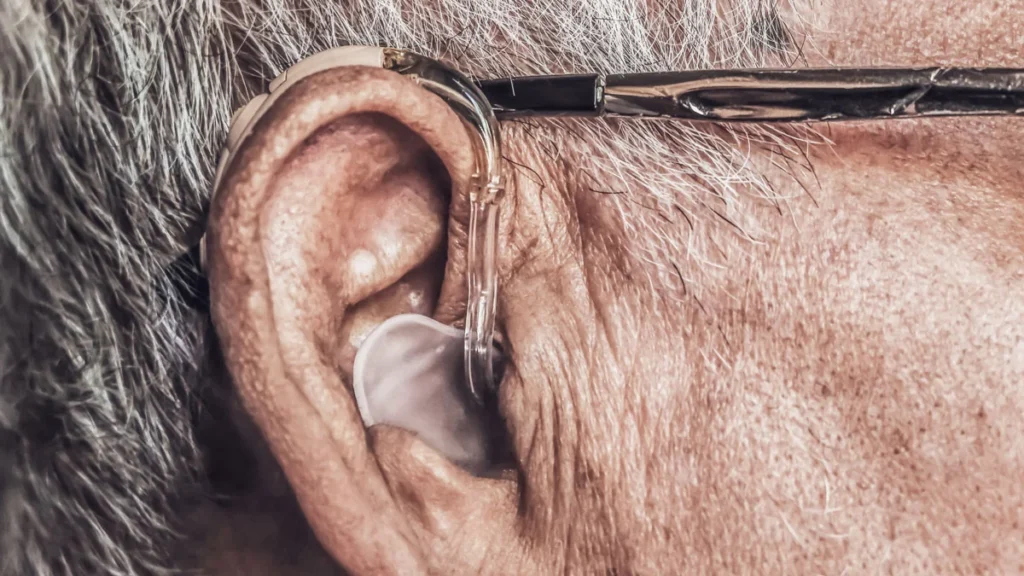
To ensure the best possible fit and meet personalized hearing needs, earmolds come in a variety of styles. The most commonly purchased include the following:
- Full-shell earmolds: The mold fills the entire outer ear bowl, providing the most secure fit and maximum amplification for seniors with profound hearing loss.
- Half-shell earmolds: Unlike the former, these molds cover only the lower portion of the outer ear, providing less amplification but more comfort for some seniors.
- Canal earmolds: Like earplugs, this more discreet option sits entirely within the ear canal. However, they’re only suitable for mild to moderate hearing loss.
- Skeleton earmolds: This hollowed-out design provides a balance between comfort and retention by reducing the amount of material in the ear. Many seniors find it easier to wear them for extended periods of time.
- Vented earmolds: Include a small channel that allows airflow into the ear canal, reducing the sensation of fullness and boosting low-frequency sound detection.
Which Hearing Aid Styles Use Molds?
Custom earmolds are tailored to fit each user’s ear canal, meaning they’re available for many different hearing aid styles. Two of the most common include behind-the-ear (BTE) and receiver-in-canal (RIC) hearing aids, but they’re also standard for completely-in-canal (CIC) and in-the-ear (ITE) devices that rely on a precise fit to function. Overall, earmolds are great for seniors, as the ear is less likely to change shape over time than in children.
Hearing Aids Molds vs. Domes: Side-by-Side Comparison
Now that you understand some of the basics about hearing aid molds and domes, the next step is knowing how they compare to each other. Both have unique pros and cons, depending on your unique hearing needs and budget. For example:
Level of Hearing Loss
- Domes: While power domes can address severe or even profound hearing loss, the majority of domes work more effectively for seniors with mild to moderate hearing loss. More specifically, the lack of a precise fit can make it more difficult to retain low-frequency bass.
- Custom earmolds: Several types, including full-shell and vented models, are designed to amplify sound for those with severe to profound hearing loss. They provide maximum amplification for low-frequency sound detection. Half-shell and canal earmolds are also great for milder hearing loss.
Sound Quality
- Domes: The open fit is great for managing the occlusion effect—echoing or booming sensations when speaking, chewing, or swallowing caused by trapped sound waves. On the other hand, that same fit makes feedback and unpleasant background noise more likely.
- Custom earmolds: Due to a more precise fit and careful venting, earmolds offer superior, consistent sound quality—especially as hearing needs get more pronounced. You can expect reduced feedback and better background noise control. However, their snug fit also increases the likelihood of the occlusion effect.
Earpiece Fit
- Domes: Domes come in a range of standard sizes, allowing you to test the fit quickly and easily without a visit to the audiologist. Refitting is simple and inexpensive. Though this simplicity also means they aren’t fully tailored to your ear canal, leading some seniors to report instability during physical activity or discomfort with extended wear.
- Custom earmolds: As the name suggests, these pieces offer a precise fit because they’re based on an impression of your ear canal. This makes them great for active seniors or those with uniquely shaped ears, though the fitting process requires a visit to your audiologist. Replacements must be professionally remade if your ear shape changes over time.
Overall Cost
- Domes: The more budget-friendly option for seniors on fixed incomes. Most are included with the initial hearing aid purchase, and replacement dome tips only cost a few dollars each. It’s also easy to replace them at home, meaning that there are no additional fitting fees to factor in.
- Custom earmolds: Custom earmolds have a higher upfront cost due to the professional ear impression and manufacturing process, typically ranging between $50 and $200+. As an older adult, it’s less likely that you’ll need to readjust the fit over time, but that said, replacements still require the fees that come with an audiologist visit.
Long-Term Hearing Needs
- Domes: Require frequent replacements (potentially every 2-3 months) and are more likely to face sound quality issues over time.
- Custom earmolds: A consistent, secure seal is more effective for managing conditions like tinnitus and is less likely to require frequent replacements. Most styles only need to be replaced every 1-2 years, or if your ear canal shape changes.
What Is The Best Style of Hearing Aid For Me?
If you’re trying to determine the best hearing aid available to you, it’s important to weigh the factors above against your current situation. If you’re a senior on a fixed income with only mild to moderate hearing loss, hearing aid domes are an affordable solution that’s easy to replace later on. On the other hand, custom earmolds are ideal for those with moderate-to-profound hearing loss, providing a snug fit and better overall sound quality. Just be mindful that custom earmolds are more expensive, and while they need less frequent replacements, the new fittings are equally as costly.
Ultimately, the best way to ensure you’re getting the right style of hearing aid is to reach out to your audiologist. They can provide a formal hearing test and examine your ear canal.
Frequently Asked Questions (FAQs) About Hearing Aid Molds vs. Domes
Yes, certain hearing aid domes, like power domes, are designed with a strong seal to maximize amplification. However, custom earmolds are still the preferred option for seniors with profound hearing loss.
Hearing aid domes are more affordable overall, usually costing less than $20 to purchase or replace. Though they do need to be replaced more often. Custom earmolds typically cost between $50 and $200+ and may need to be refitted if your ear shape changes.
Molds generally have better sound quality, especially when it comes to detecting low-frequency sounds or reducing loud background noise. However, domes take the edge in preventing issues like the occlusion effect.
Yes, both styles are compatible with Bluetooth technology because it’s housed within the hearing aid body itself rather than the tip.
While there’s no definitive lifespan for hearing aid domes or molds, domes are often replaced every 2–3 months, while molds only need to be replaced every 1–2 years or if your ear shape changes.
Custom earmolds are more effective for managing tinnitus because their precise fit provides better sound isolation and consistent amplification, which can help mask symptoms more reliably.
Help us improve our cost data! Email your latest hearing aids quote to [email protected]. Rest assured, your personal details will remain completely confidential.