
Retirement Living takes an unbiased approach to our reviews. We may earn money when you click a partner link. Learn More
DIY Home Elevator: Is Professional Installation Worth It?
While DIY home elevators can save money, professional installation ensures legal compliance, personal safety, and proper functioning.


Updated:
At a glance:
- DIY home elevators typically refer to partial DIY installation or pre-engineered kits that allow homeowners to save money and participate in the process without risking safety or compliance.
- Professional installation ensures expertise, safety, code compliance, and proper functionality, and offers long-term support from certified, trained technicians.
- While the overall cost depends on the elevator type and project scale, homeowners can save between 10% and 15% with a semi-DIY installation.
Below, we explore the complications associated with installing an elevator without professional involvement to help you make an informed decision.
What is a DIY Home Elevator Lift?
A DIY residential elevator is a vertical transportation system built by the user to move people between floors. It involves creating a hoistway and installing pulleys, electrical components, the elevator car, control panels, and much more. They’re often built with Unistrut channels, heavy-duty winches or hoists, metal tubing, and more.
However, a complete DIY installation (meaning no professional engineering or involvement at all) is unsafe and often illegal. In the residential market, DIY elevators typically refer to partial DIY installations or pre-engineered lift kits.
Partial DIY installation is when homeowners handle non-technical tasks, like carpentry or finishing work, while licensed professionals install the elevator machinery. Pre-engineered lift kits are usually designed to carry heavy objects, not people. Common types include cargo lifts, portable garage elevators, and dumbwaiters.
Choosing Between DIY and Professional Home Elevator Installation
When considering whether to install a home elevator yourself or have a professional handle the process, keep in mind that professional installation ensures expertise, safety, code compliance, and proper functionality. Also, professional service offers long-term support through warranties and certified, trained technicians.
For those with sufficient technical knowledge and skills, DIY installation can save thousands of dollars, offer complete control over design and features, and be a rewarding project.
However, DIY installation comes with major risks and drawbacks that must be considered before you take that path.
Drawbacks of DIY Elevator Installation
Installing an elevator for home use without the involvement of licensed professionals raises significant safety, code compliance, and legal concerns. Additionally, elevators have many complex mechanical and electrical systems that, without proper design and installation, can result in catastrophic failure, putting the lives of you and your family at risk.
Safety Regulations
Home elevators require extensive renovations to install. Most countries have strict codes and standards that both commercial and residential elevators must meet to ensure elevator safety. These regulations include requirements for sufficient floor space to operate and safety features like door interlocks, emergency systems, obstacle detection, and more. Violating any of these regulations can result in hefty fines and legal repercussions.
Legal Constraints
Both professional and DIY home elevators must obtain the necessary building permits and pass rigorous safety inspections. Getting these permits and inspections without a professional can be extremely complex, especially since legal offices may be less willing to issue permits for DIY installations.
Other legal aspects to consider include liability concerns. If an accident or malfunction occurs, legal responsibility falls entirely on you if you build the device yourself. Plus, DIY home elevators typically don’t come with warranties and won’t add value to your home in most cases.
Limited Technical Expertise
The lack of technical expertise and experience can lead to possibly life-threatening issues. While there are many resources, such as YouTube videos and tutorials, available online, they’re no replacement for the true professional expertise of engineers and licensed electricians.
DIY vs. Professional Cost Considerations
Cost savings are often the main appeal for DIY projects. While professional home elevators cost between $35,000 to $65,000 on average, DIY home elevators may cost between $20,000 and $50,000.
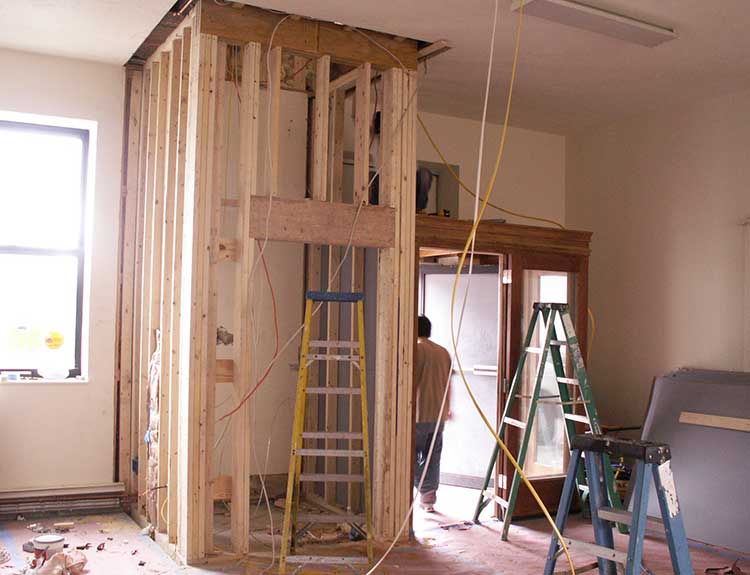
For DIY home elevators, you can typically only have a semi-DIY project due to legal and safety requirements. Semi-DIY installation is when homeowners handle the preparatory work, including drywall demolition, creating the opening between floors, and building or refinishing the shaft according to engineered designs.
The overall cost depends on the type of elevator, but this type of DIY approach can save you 10% to 15% of the total project cost.
The Bottom Line: DIY vs. Professional Home Elevators
While DIY elevators offer some advantages, professional installation is worth it in the long run because it ensures compliance with legal and building codes and protects your personal safety.
If you are interested in a semi-DIY project, look for home elevator providers that may be willing to handle installation and compliance while you manage the home preparation.
Frequently Asked Questions (FAQs): DIY vs. Professional Home Elevators
While it is possible to install a home elevator yourself, especially simpler home kits, it’s strongly discouraged by industry experts due to high safety risks, strict building codes, and liability issues. Often, homeowners can prepare the space themselves while leaving the design and installation to the experts.
Adding an elevator to your home costs $65,000 on average; however, some home elevators can cost as low as $20,000 or as high as $100,000+, depending on the type, provider, features, and purpose.
Common DIY elevator problems often include mechanical failures, electrical issues, and safety hazards, such as fire risks from improper shaft sealing or entrapment risks. Additionally, DIY elevators may not meet code regulations, have poor structural integrity, and uneven floors.
Some alternatives to home elevators include wheelchair lifts (vertical platform lifts and inclined platform lifts), stair lifts, home ramps, and stair walkers, which are similar to canes or walkers but designed specifically for traveling up stairs.
Help us improve our data! Email your latest home elevator quote to [email protected] or submit a review about your experience. Your personal details will remain completely confidential.