
Retirement Living takes an unbiased approach to our reviews. We may earn money when you click a partner link. Learn More
Home Elevator Troubleshooting
Home elevator issues such as sudden stops, failure to open, lack of power, or error codes are possible, but the essential troubleshooting steps outlined below can help restore safe operation.


Updated:
AT A GLANCE:
- The most common home elevator problems include door malfunctions, unusual noises, jerky movement, slow operation, and power issues, such as unresponsive control panels.
- DIY Troubleshooting tips, such as confirming the run/stop switch is in the “run” position, ensuring the landing doors and the interior gate are fully closed, and verifying the circuit breaker hasn’t tripped, can restore functionality without a service call.
- Don’t ignore unusual sounds or error codes for common issues, as even if your home lift works right now, the issue should be addressed by the elevator company or a trusted electrician to avoid future stops or dangerous situations.
When a stairlift doesn’t offer the safety features, weight capacity, or wheelchair accessibility you need at home, residential elevators can provide unmatched peace of mind. However, even a professionally installed system, regardless of elevator type, can experience common issues and malfunctions.
Below, our team outlines basic troubleshooting steps and maintenance plans to help you resolve home elevator issues, as well as guidance on when to reach out for professional assistance. That way, you can save time and money while aging in place safely.
Understanding Residential Elevator Types & Common Problems
The specific home elevator malfunctions you might experience depend on the elevator type. From traditional hydraulic systems to the latest pneumatic lifts, different mechanisms and moving parts lead to distinct common issues.
Here are the different types of elevators and their most common problems outlined to help you either navigate your existing system or choose the best elevator for your home:
Hydraulic Elevators
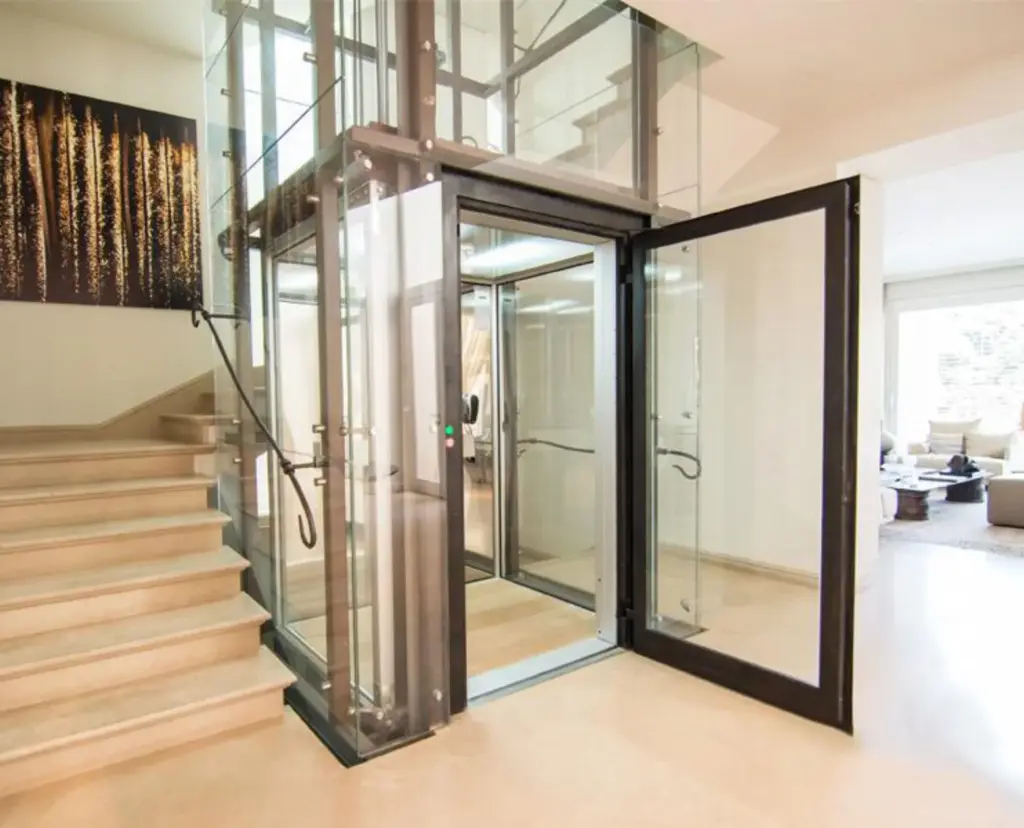
Used for residential purposes for over a century, this type of elevator uses pressurized hydraulic fluid (usually oil) to provide lift. They don’t require overhead hoisting machinery because the system is powered by fluid-driven pistons within a cylinder. More specifically, the compression or decompression of the fluid, controlled by electrical valves, raises and lowers the cab.
Hydraulic elevators are well known for their ability to handle heavy loads, but have a limited height range (60 ft) compared to traction systems.
Common Problems
- Hydraulic fluid leaks that lead to a loss of pressure can cause the elevator to operate erratically or stop. Oil puddles in the machine room or elevator pit are a telltale sign and should be addressed by a professional technician.
- Contaminated hydraulic fluid can lead to inefficient operation and increased component wear, resulting in sluggish or noisy movement. Flushing the system and replacing filters can help.
- Inconsistent or extreme temperatures can alter the oil’s viscosity, causing the elevator to malfunction. Maintaining a temperature between 55°F and 90°F in the machine room can help.
- Faulty valves can cause erratic movement or prevent the cab from stopping correctly at the intended floor and usually require professional repairs.
Traction Elevators
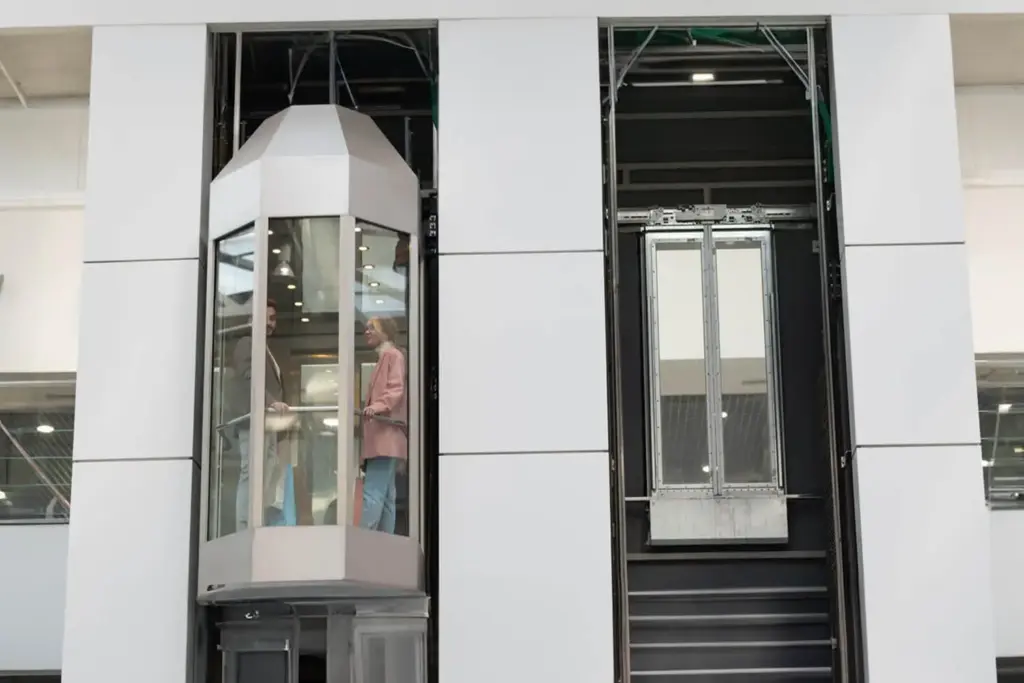
Traction elevators are fast and can travel over 100 ft, as they use a system of steel ropes, grooved pulleys (aka sheaves), and an electric motor to move the elevator car. A counterweight connected to the ropes balances the system, reducing the energy required to achieve lift.
Common Problems
- Steel rope wear, including visual rusting and metallic shavings near the sheave, causes dangerous, uneven movements and strange sounds, all of which warrant immediate professional inspection.
- Uneven rope tension across the hoist cables reduces traction quality, causing the cab to ride unevenly or stop between floors. A professional technician can adjust and equalize rope tension to restore proper performance.
- Worn or deepened sheave grooves reduce the friction between the ropes and the pulley, which can lead to high-risk rope slippage. Make sure to have your sheaves inspected annually and regrooved or replaced when necessary.
- Worn motor bearings are a common cause of unwanted noise and vibration and should be assessed by a professional technician for repair.
Shaftless (Through-the-Floor) Elevators
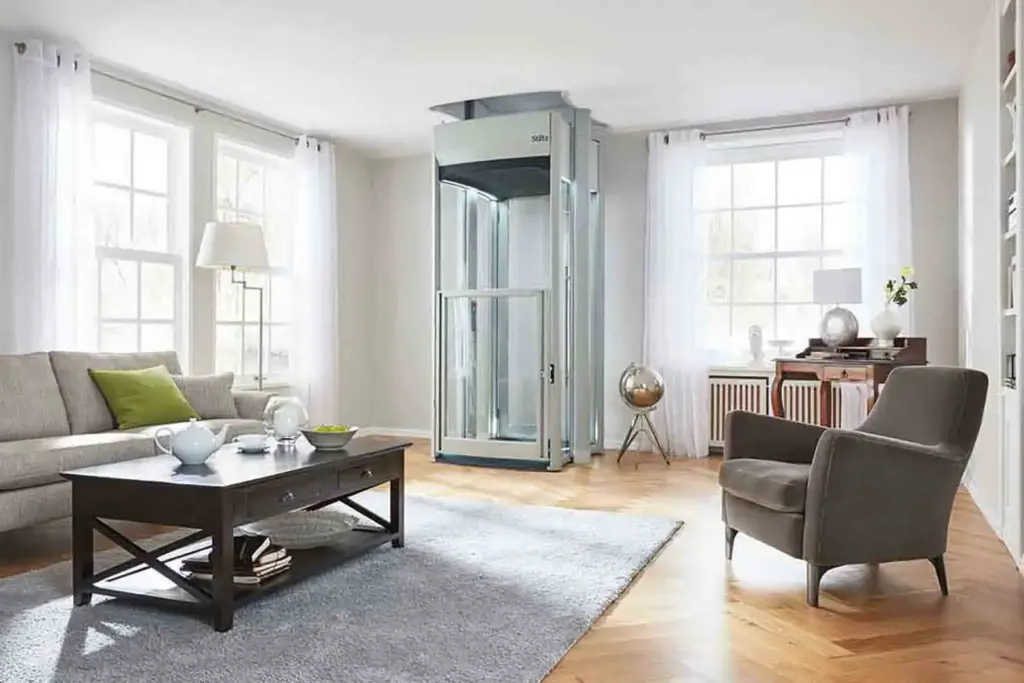
These simple home mobility solutions don’t require an elevator shaft, though they typically only travel between two floors. Their installation involves cutting a hole between the floors and retrofitting the lifting mechanism, either a hydraulic or winding drum drive system.
Common Problems
- Travel path obstructions are a frequently reported issue and automatically halt the cab. Luckily, if you can remove the blockage, this is an easy fix.
- The door interlocks must be engaged before the elevator can move, so misaligned or improperly latched doors can render the elevator unresponsive. Check that the hinged entry door is fully closed before assuming a deeper mechanical issue.
- Neglecting guide rail maintenance, including cleaning and lubrication, can lead to rough, noisy movement or the cab catching during travel. You can try lubricating the rail yourself, but you should call a technician if that doesn’t solve the issue.
- The automatic braking system engages each time the cab reaches its destination floor, and when it breaks, the elevator may stop short, overshoot the landing, or refuse to move. Brake-related issues should always be inspected and repaired by a certified technician.
Pneumatic Vacuum Elevators
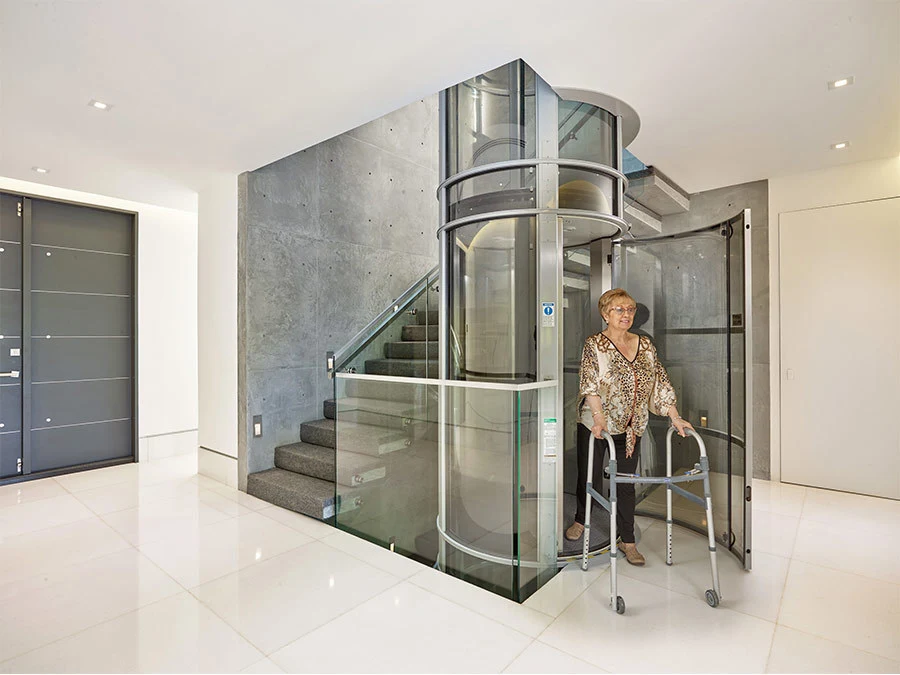
Another common mobility solution for homeowners, these elevators use suction devices rather than ropes, pulleys, and gears. Air pressure changes above or below the cab control the elevator’s movement, lifting or lowering it. While efficient for travel between a few floors, pneumatic elevators have a small load capacity.
Common Problems
- Air leaks can cause gradual or sudden pressure drops that prevent functionality. Most likely, you’ll need a technician to perform a gasket replacement or component repair.
- A worn or cracked main top seal causes the vacuum chamber to lose its airtight integrity, reducing lift efficiency and possibly triggering the safety breaks. Typically, you’ll want to replace the seal every five years, or roughly every 15,000 rides.
- Clogged or dirty air filters in the turbine assembly can cause pressure issues and should be changed as recommended by the manufacturer.
Why Has My Home Elevator Stopped Working?
While the best way to troubleshoot your home elevator depends on its type, we’ve outlined some basic troubleshooting steps that can help in most situations:
1. Power Supply & Electrical Issues
Power problems are one of the most common and easy-to-fix issues when there isn’t something mechanically wrong with your system. If your elevator is having a power supply issue, try:
Checking the Circuit Breaker
Anything from power surges and overload to local outages can trip the elevator’s electrical circuit, causing it to go unresponsive. If this happens, go to your home’s electrical panel and look for a tripped breaker in the off (middle) position. Then, you can reset it by flipping it fully off and back on.
If the breaker trips again shortly after its reset, we suggest that you stop using the elevator and contact a professional technician.
Look for a Dedicated Disconnect Switch
Home elevators usually have a separate power disconnect switch, located either in the machine room or near the hoistway. The easiest way to find it is to use your owner’s manual. If this switch is turned off, the elevator won’t function, so confirm that it’s in the “on” position.
Check the Battery Backup
If a power outage occurs, most home elevators have a battery backup system that brings the cab to the nearest floor. When the battery is depleted or disconnected, the elevator may malfunction even if the main power is working. Check its condition to ensure that it’s connected and holding a charge.
Replace Old Lightbulbs
If your elevator lights stop working, a simple lightbulb replacement will usually resolve the issue. However, if changing the bulbs doesn’t restore power to the light, there may be a deeper issue that needs professional attention.
2. Elevator Door & Gate Interlock Issues
Elevator door issues are the most common cause of service calls, as even slight gaps or misalignment can trigger the safety interlock and cut power to the drive system. Here are some steps you can take to resolve the issue:
Check Every Landing Door
When it comes to home elevators, even a single gap or a slightly ajar landing door can prevent the elevator from moving. Verify that the door is fully closed and latched on each floor, paying particular attention to less-used floors, where door issues are more likely to go unnoticed.
Check the Cab Gate or Inner Door
If your home elevator has a folding gate or inner cab door, it must be pulled completely shut before the elevator will respond. Even small gaps trigger the interlock, so make sure you feel/hear the gate click into the locked position before attempting to travel.
Clear the Door Track
Simple obstructions like bag straps, pieces of clothing, pet hair or other debris buildup can prevent doors from sealing properly. You should inspect the door tracks and thresholds at each floor for anything that might cause a blockage and remove it promptly.
How to Open a Stuck Elevator Door From the Outside
When malfunctions occur, many wonder how to open an elevator door from the outside. First, you’ll want to confirm that the cab is on the same floor as the stuck door, as trying to force the door open without the cab present is dangerous and not recommended.
As long as the cab is present, you can look for a manual door release key. Insert the key into the designated slot near the door lock and gently turn it to disengage the interlock. Once released, you should be able to open the door carefully.
3. Error Codes & Warning Signals
Most modern elevators can communicate issues to you through a display panel, which you can locate using your user manual. Never ignore error codes or flashing indicators, and instead do the following:
Look Up the Error Code
If you don’t know what an error code means, use your owner’s manual or reach out to the elevator company to decipher it. Simple fault codes, such as door sensor alerts, can be resolved by addressing the issue and restarting the unit. On the other hand, motor overload or drive system faults require a professional to diagnose and reset safely.
Listen for Alarm Sounds
When elevators malfunction, audible alerts are also common. Again, certain beeping patterns signify specific issues, so it’s important to review your owner’s manual. You can also write down the pattern and share the sequence with your service provider when you call.
Test The Emergency Call Button
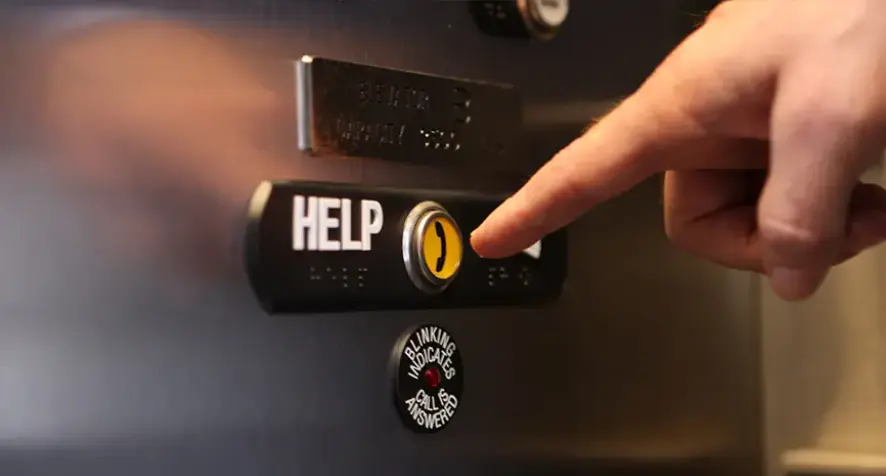
Most home elevators are also fitted with a call button that’s vital for safety, as it allows you to access assistance in emergencies. Press the button to ensure it connects to the emergency phone number, and if there is two-way communication, make sure the audio is clear and responsive. If there is no connection, delays, or poor sound quality, you should report it to the elevator company as soon as possible.
4. Unusual Noises or Rough Ride
Even if your home elevator is still running, noticing strange noises (grinding, rattling, or clunking sounds) is never something you should ignore. While the exact cause depends on the type of elevator, common issues include:
- Insufficient lubrication on the guide rails or drive components can develop over time with regular use.
- Misalignment in the rail system often results from the structure settling or from an impact inside the hoistway.
- Worn mechanical components, such as cables, pulleys, or drive belts, have reached the end of their service life.
Ultimately, it can be hard to definitively identify the cause of unusual noises on your own, so we suggest not using the elevator until a technician can inspect it. Continuing to operate a damaged elevator is not only dangerous but can turn minor repairs into costly headaches.
5. Elevator Stuck Between Floors
Even if the cab stops moving while you’re inside it, it’s important to stay calm. Luckily, modern home elevators are built with this scenario in mind, so we generally recommend following these steps:
- Check whether the emergency stop button inside the cab was accidentally pressed, and release it if so.
- Use the cab’s emergency call button to alert someone to your situation.
- Remain in the cab and wait for assistance. Do not attempt to exit between floors under any circumstances, as the likelihood of injury is high.
Often, modern home elevators will automatically move to the nearest floor when a power failure occurs. If your unit has done this, simply exit at that floor and contact your service provider before using the elevator again.
Preventive Maintenance Tips For Long-Term Elevator Functionality
Committing to a few regular maintenance tasks makes a huge difference in preventing malfunctions and extending the lifespan of your residential elevator. Every system is different, and you should check the owner’s manual for specific directions, but here are some general tasks that help:
- Inspect and clean door tracks, sills, and thresholds at each landing at least once a month to remove any debris or obstruction.
- Wipe down interior surfaces, control panels, and doors with a soft, slightly damp cloth. Avoid adding excess moisture or harsh cleaning products that can damage finishes or electrical components.
- Check landing doors and cab gates to make sure they’re closing and latching properly before you attempt to travel.
- Schedule professional maintenance and inspection at least once per year to service the drive system, check safety components, and keep your elevator operating safely and efficiently.
When To Seek Professional Help
While we’ve already highlighted instances when you should seek professional help, it’s important to emphasize how essential it is to reach out for your safety. Elevator issues are no joke, and they’re often less expensive to fix sooner rather than later.
Typically, the home elevator company you bought your system from will also provide repair services when problems go beyond basic troubleshooting. Examples include persistent door interlock failures, recurring error codes, unusual noises from the drive system, sudden stops between floors, or unresponsive controls. If you experience any of these issues, don’t wait to call.
Fortunately, within the first few years of owning your home elevator, you may have a warranty that covers the cost of parts and equipment when malfunctions occur. Warranties generally don’t cover routine elevator maintenance or labor costs.
Frequently Asked Questions (FAQs) About Home Elevator Troubleshooting
There are several reasons why your emergency call button might not be working, including faulty doors, a tripped circuit breaker, and malfunctioning sensors. Common fixes include cleaning the door tracks, resetting the power, or checking the gate switch.
While the exact way to reset your elevator depends on the type and model, you should start by ensuring all doors and gates are fully closed. Then, perform a power cycle by switching off the elevator circuit breaker or main disconnect switch. Let it stay off for 1–2 minutes before turning it back on.
Both pneumatic (vacuum) elevators and hydraulic elevators are cited as having less maintenance and more durable designs than traction or shaftless systems. However, the overall reliability depends on each specific model.
While home elevator installations may be covered by Medicaid, Veterans Administration programs, and other state-based programs, most insurance doesn’t cover the cost of maintenance or repairs.
You can find out what your specific error code means by either consulting your user manual or contacting the elevator company you purchased the system from.
Depending on the elevator type, you should schedule regular maintenance every 6 months to a year. Up to 60% of home elevator malfunctions can be prevented this way.
It costs between $15,000 and $70,000 to install most home elevators, but the actual cost varies widely based on elevator type, home layout, number of floors, and additional safety features. For example, traction elevators without a machine room can be among the most expensive options ($52,500 on average) and require invasive construction, but they can serve many floors in limited space.
Shaftless models, on the other hand, can cost as little as $15,000 but can generally travel only between two floors.
Help us improve our cost data! Email your latest home elevator quote to [email protected]. Rest assured, your personal details will remain completely confidential.