
Retirement Living takes an unbiased approach to our reviews. We may earn money when you click a partner link. Learn More
Winding Drum Elevator: Cost, Installation & Capabilities
The average winding drum elevator system costs $30,000 to design and install, allowing seniors to utilize a small-footprint mobility solution that’s more affordable than traction or hydraulic elevator drives.


Updated:
At a glance:
- Installing an elevator cab with a winding drum drive costs between $20,000 and $40,000+, depending on cab size, home layout, travel height, and more.
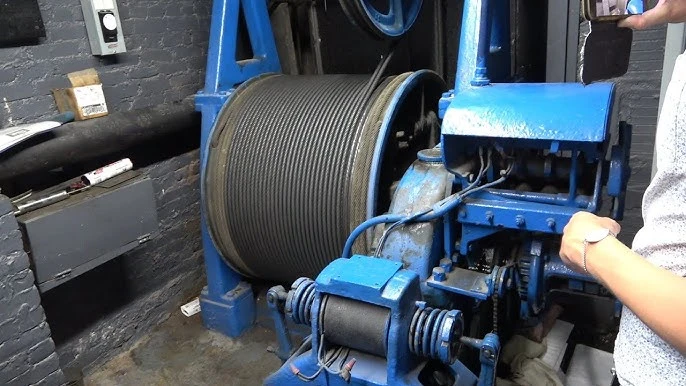
- Winding drum elevators use an electric motor to wind two steel ropes onto drums, which raise and lower the elevator car/cab. Unlike traction systems, the system doesn’t need counterweights to function.
- Winding drum elevators do require a small hoistway, but house the control system inside it rather than requiring a separate machine room.
What Is a Winding Drum Home Elevator?
Winding drum elevators share some similarities with traditional traction systems but are also highly unique—working much like dumbwaiters for human-sized cargo. In essence, they use an electric motor to wind steel ropes directly onto rotating drums. Traction elevators also use a cable-based, motorized lifting mechanism, but instead rely on space-intensive sheaves and counterweights to lift the cab.
Often, winding drum elevators have machine-room-less (MRL) designs, in which the motor, pulleys, and control panel are located within the hoistway rather than in a separate space. This further minimizes their overall footprint and simplifies the retrofitting process.
Winding Drum Elevator Capabilities Compared to Other Residential Elevators
Before we dive deeper into general costs and specific brands, it’s important to understand how winding drum lifts compare to other types of elevators. Here are some key factors seniors should keep in mind:
- Space requirements: These elevators are great for seniors with limited square footage, as most models don’t require a machine room. However, unlike shaftless options, they need 20 to 25 square feet of floor space for hoistway construction.
- Travel distance: Winding drum elevators can rise up to 50 feet (approximately 4 floors), offering an impressive travel height for their small footprint. For context, most shaftless elevators can only travel up to 20 feet, while some space-demanding traction models can reach 300 feet.
- Ride quality: Travel speeds of 20–40 feet per minute (FPM) are standard, making these elevators faster than shaftless options while delivering a smooth, controlled ride. To avoid abrupt stops, many models feature variable speed technology that gradually accelerates and decelerates the cab at each landing.
- Weight capacity: Some winding drum lifts can hold up to 950 lbs, making them more than capable of lifting multiple passengers or wheelchair users. This is nearly double the typical weight capacity of shaftless elevators, but less than most hydraulic systems can lift.
- Power usage: Most winding drum elevators draw power from the home’s existing electrical system to operate their electric motor. Power supply requirements are generally modest compared with those of hydraulic and vacuum elevators.
- Safety features: Expect the same standard safety features you’d have in other residential elevators, including interlocks on each landing door and an emergency stop button. These elevators also include a slack cable switch that instantly cuts power to the motor if the cables become loose.
Winding Drum Elevator Cost: Equipment & Installation
The average cost of a winding drum home elevator, including the elevator cab, installation equipment, and labor, ranges from $20,000 to $40,000. Aside from purchasing parts and equipment, around $5,000–$15,000+ of the total cost is associated with elevator installation: building the hoistway, cutting floor openings, and creating the pit.
Winding Drum Elevator Installation Process
Winding drum elevators are less invasive to install than most traction and hydraulic models, but still require minor structural changes for the hoistway. After the initial floor cutouts are made and the hoistway is constructed, a motor-driven gearbox and drum assembly is mounted inside, either at the top or bottom of the rail system. Finally, the cables that wind and unwind the elevator cab are securely attached.
This process can take anywhere from a few days to over a week, depending on whether the hoistway has already been constructed. Once everything is put together, technicians test the system to ensure safe and smooth operation.
As mentioned above, labor costs account for a large portion of winding drum elevator expenses, with what you can expect to pay varying by model and region. For instance, it’s usually easier to access readily available, affordable installation services in major cities with large retirement communities. On the other hand, seniors in rural areas may find it harder to find inexpensive local services.
Popular Winding Drum Elevator Manufacturers
We’ve compared a few popular winding drum elevator brands, including their price ranges and warranty information. Please note that many companies require you to contact them for a personalized quote.
| Brand | Starting Price | Warranty |
|---|---|---|
| AmeriGlide | Starting at $18,000 | 3-year comprehensive warranty |
| Stiltz | Starting at $22,000 | 2-year warranty on parts |
| Savaria | Starting at $24,000 | Contact for details |
The Bottom Line: Winding Drum Elevators Offer a Space-Saving, Smooth, and Reliable Home Mobility Solution
Winding drum elevators are a great mobility solution for seniors with limited space and multiple floors, as they can be installed without a machine room and rise up to 50 feet. Generally speaking, they provide a smoother ride than many shaftless options and have nearly double the weight capacity.
For an average total cost of $30,000, you can install an effective winding drum system in your home. Reach out to a local elevator company for a free quote and more detailed installation information.
Frequently Asked Questions (FAQs) About Winding Drum Elevators
Winding drum elevators cost between $20,000 and $40,000+, with the number of floors, home layout, and wheelchair accessibility all influencing the final cost. Installation alone typically costs $5,000–$15,000+.
Neither Original Medicare nor most private insurance plans cover the cost of a new winding drum system, but some Medicaid programs or Veterans Benefits may provide financial assistance for it as a medically necessary home modification. We also recommend reaching out to your local Agency on Aging (AAA) for local resources.
The installation process for winding drum elevators involves creating a small shaft between floor cutouts, fitting the shaft with rails, assembling the motor, drum, and elevator car, and then providing a safe power source. The installation must always be tested before use.
In lieu of a separate machine room, winding elevator controls are usually located inside the hoistway—either at the top or bottom of the rail system.
Yes, winding drum elevators save space because they don’t require a separate machine room. However, they still require a dedicated elevator shaft, making them slightly less space-saving than shaftless models.
Yes. While not as heavy-duty as hydraulic models, many winding drum elevators can lift up to 950 lbs, making them a great option for wheelchair users.
Winding drum elevator maintenance ranges from $300 to $1,200 per year, depending on the elevator type, usage level, and age. You can help prevent downtime or costly repairs by:
• Scheduling routine inspections for the drum mechanism, cables, and hoisting ropes every 12 months
• Checking for wear, cable fraying, or unusual noises during operation
• Regularly lubricating the drum, gears, and moving components
• Keeping the machine room and surrounding area free from debris
Help us improve our data! Email your latest home elevator quote to [email protected] or submit a review about your experience. Your personal details will remain completely confidential.