
Retirement Living takes an unbiased approach to our reviews. We may earn money when you click a partner link. Learn More
Best Hearing Aids for Tinnitus of 2026
Our research spotlights the hearing aids for tinnitus to help a variety of hearing profiles and budgets.


Updated:
|
Expert Reviewed
We reviewed 14 hearing aid brands to identify the models best suited for managing tinnitus. Our evaluation included extensive research and comparison of tinnitus-specific features, as well as input from a licensed audiologist. Here are the top six brands we recommend based on our findings.
4.4
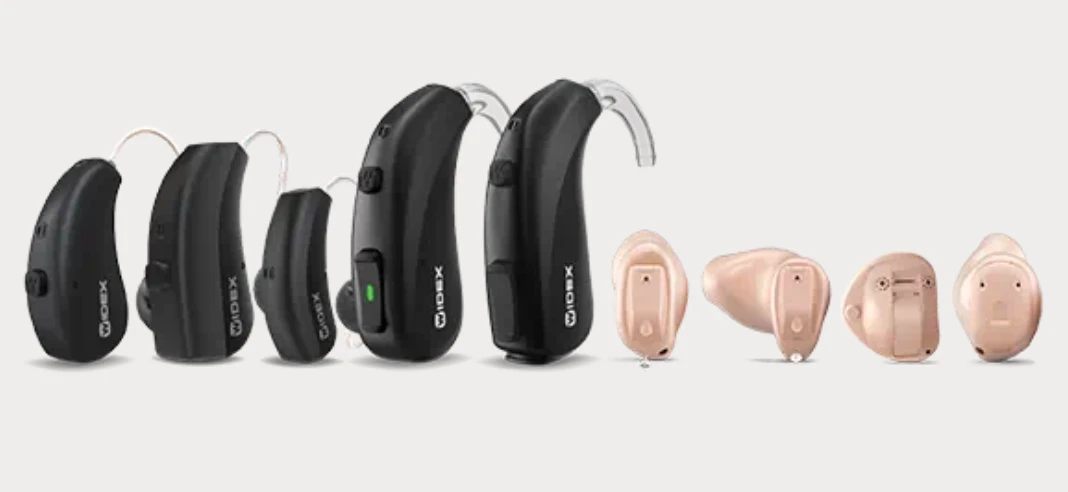
Widex hearing aids provide unmatched high-definition sound. They reduce distortion, especially in complex settings. The SmartRIC has an L-shaped design. This shape improves the microphone’s angles, leading to clearer sound.
- Great Natural Sound
- Noise suppression for enhanced clarity
- Provides tinnitus relief
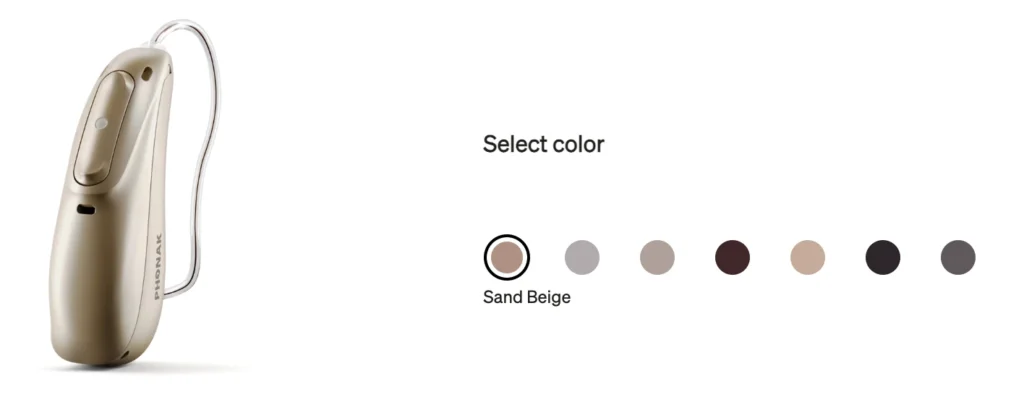
Phonak is an award-winning leader in hearing aid technology. The company offers 12 hearing devices plus accessories to provide the right fit. Phonak produces crisp, natural sound that adjusts to your environment.
- Broad Product Line
- Has an extended wear option
- Models for all types of hearing loss
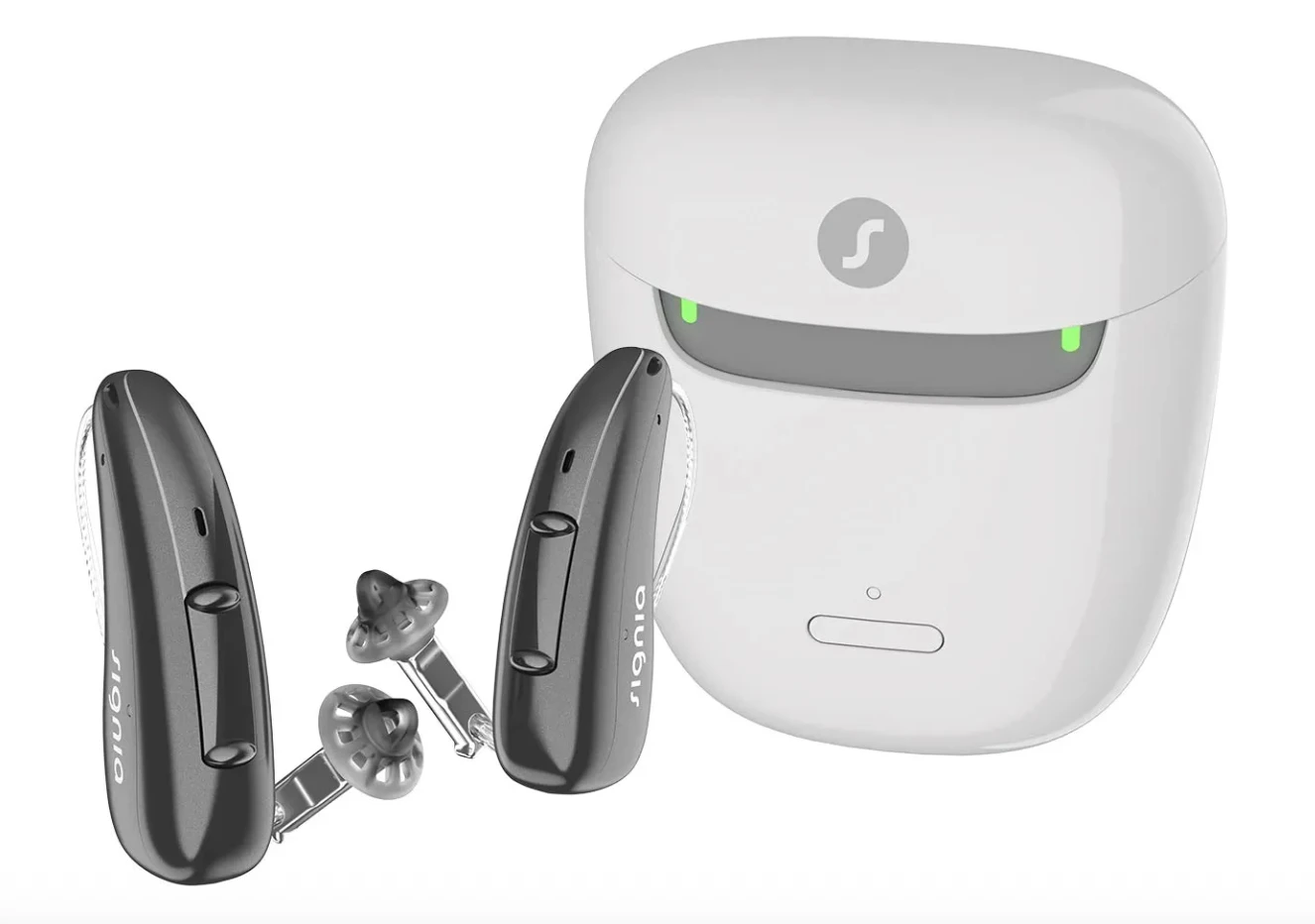
Signia Assistant AI and TeleCare support keep your hearing aids performing well everywhere. The company offers hearing aids for active people. They have a discreet design and elegant styles, among other features.
- Great Mobile Apps
- Hearing aids for mild to profound hearing loss
- Large selection of models to choose from
4.4
Oticon is a tech leader. Its high-quality products are pricey but seen as top-notch.
- Innovative Products
- Various styles of hearing aids
- Mobile application
Starkey is a U.S. manufacturer. They blend advanced sound processing with health and wellness tracking features. Its current lineup features different styles for customization. It also works well with easy-to-use apps.
- Great variety available
- Health and wellness tracking available
- Large, well-known hearing aid manufacturer

4.5
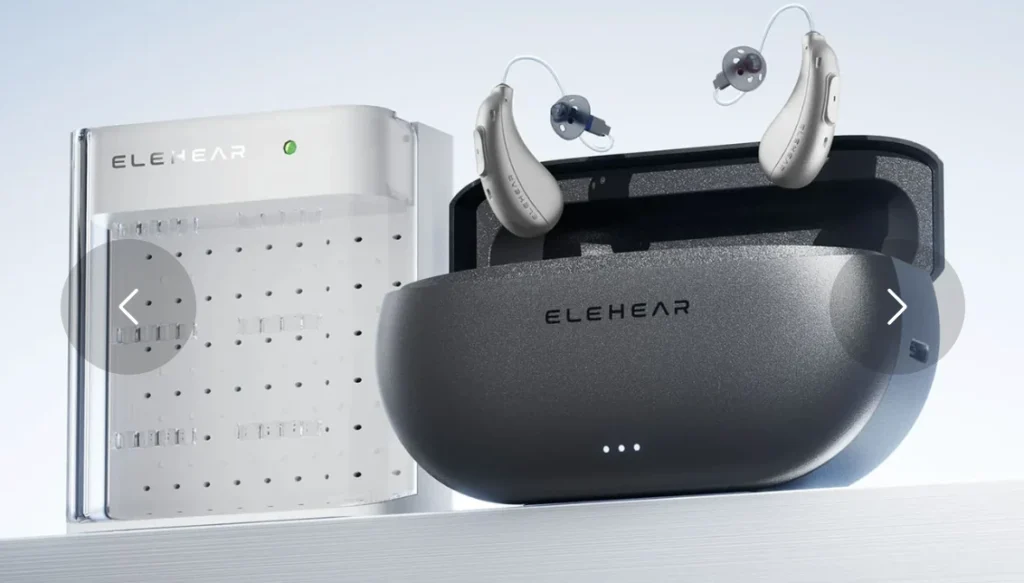
ELEHEAR offers affordable OTC hearing aids available for purchase online. The three offerings are rechargeable with app-based sound customization and AI noise reduction. ELEHEAR provides remote support and a risk-free trial period.
- Great Battery Life
- Rechargeable, app-controlled models
- AI noise reduction
Comparing the Best Hearing Aids for Tinnitus
The following table is a quick side-by-side comparison detailing the features in the best hearing aids for tinnitus.
| Widex | Phonak | Signia | Oticon | Starkey | Elehear | |
|---|---|---|---|---|---|---|
 |  |  |  |  |  | |
| Read More | Read More | Read More | Read More | Read More | Read More | |
| OTC or Prescription | Prescription | Prescription | Prescription | Prescription | Prescription | Over-the-counter |
| Programming Support | By an audiologist | By an audiologist | By an audiologist | By an audiologist | By an audiologist | Self-fitting |
| Masking Noise | Yes | Yes | Yes | Yes | Yes | Model dependent |
| Notch Therapy | No | No | Yes | No | No | No |
| Fractal Tones | Yes | No | No | No | No | No |
| App Control | Yes | Yes | Yes | Yes | Yes | Yes |
| Multiple Program Storage | Yes | Yes | Yes | Yes | Yes | Limited |
Hearing Aids for Tinnitus Reviews
Widex Review
Great Natural Sound
|
Widex prescription hearing aids are frequently recommended for people seeking structured tinnitus management rather than simple background masking. Many current models include Widex Zen Therapy, such as models in the Moment and SmartRIC families. Zen Therapy uses fractal tones—soft, non-repeating chime-like sounds—designed to reduce awareness of tinnitus over time.
Unlike basic white-noise masking, Zen Therapy is intended to work as part of a broader tinnitus management plan programmed by an audiologist. Hearing care professionals can match amplification and sound therapy to your specific hearing profile, adjusting intensity and tone as needed.
Widex devices let you switch between everyday hearing and tinnitus settings. For persistent tinnitus, the therapy approach goes beyond simple masking.
For more information, read our full Widex review.
Phonak Hearing Aids Review
Broad Product Line
|
Phonak hearing aids combine strong amplification with customizable tinnitus masking features through its Tinnitus Balance program. The prescription models allow audiologists to activate a built-in noise generator that can be adjusted to provide steady relief alongside speech amplification.
This can be especially useful if you’re managing both moderate to severe hearing loss and tinnitus. Phonak’s broad product range includes powerful behind-the-ear models suited for higher degrees of hearing loss, which may benefit you if your tinnitus worsens when hearing declines.
Phonak devices typically offer Bluetooth connectivity, rechargeable options, and app-based controls for fine-tuning volume and programs. While tinnitus features are available in many models, we like the Audéo and Naída models, though be sure to confirm feature availability for the specific model being considered.
For more information, read our full Phonak review here.
Signia Hearing Aids Review
Great Mobile Apps
|
Signia hearing aids stand out for offering Notch Therapy, a feature designed for tonal tinnitus. Instead of adding masking noise, Notch Therapy reduces amplification at the specific pitch of your tinnitus, which may help the brain pay less attention to the ringing over time.
In addition to Notch Therapy, many Signia models include static noise masking options and smartphone app controls. You can adjust settings or switch programs depending on your listening environment.
Signia devices are prescription-based and require professional programming. Tinnitus features are available in Signia’s Styletto, Pure, and Insio models, making it a good option if you have identifiable single-tone tinnitus.
For more information, read our Signia review.
Oticon Review
Innovative Products
|
Oticon incorporates tinnitus relief through its Tinnitus SoundSupport feature. This tech blends customizable relief sounds with everyday amplification. Instead of separating tinnitus therapy from regular listening, Oticon combines both into daily programs for a more natural experience.
You’ll need an audiologist to adjust the intensity and type of relief sounds and tailor them to match your preferences and hearing loss profile. This is good if you want subtle masking without feeling like you’re listening to constant white noise.
Most modern Oticon prescription models include tinnitus support, including those in the Oticon Real and Oticon Intent families. That said, you should confirm feature availability when comparing specific devices.
Read our full Oticon review here.
Starkey Hearing Aids Review
Great variety available
|
Starkey offers Multiflex Tinnitus Technology in many of its prescription hearing aids, including Genesis AI and Evolv AI. This feature allows hearing professionals to program adjustable broadband noise that can be customized to provide relief without overwhelming speech sounds.
In addition to masking support, Starkey devices often include app-based controls and health-focused features, such as activity tracking and fall detection, in select models. For some users, having tinnitus support alongside broader wellness technology may add value.
As with other brands, tinnitus features are common across many current Starkey product lines, but not every model includes them. Professional fitting is required to activate and adjust tinnitus settings.
For more information, read our full Lexie review.
ELEHEAR Review
Great Battery Life
|
Elehear offers over-the-counter hearing aids designed for adults with mild to moderate hearing loss. Within its lineup, the Beyond and Beyond Pro models are the most relevant for tinnitus support, as they include app-controlled masking sound options.
These models allow you to switch programs and adjust masking levels independently. However, Elehear devices do not offer structured tinnitus therapies such as notch therapy or fractal tones, and they are not programmed by an audiologist.
If you’re considering Elehear specifically for tinnitus, the Beyond Pro model provides stronger sound processing and more refinement than entry-level alternatives.
For more information, read our full Elehear review.
How We Chose the Best Hearing Aids for Tinnitus
To begin our review of hearing aids for tinnitus relief, we started with our list of 14 top hearing aid brands. These brands were vetted by our review team and tested for two weeks by a Retirement Living team member with mild hearing loss who has long-term experience wearing hearing aids. Each brand on our original list already met our standards for fit, comfort, price, technology, and customer support.
From those 14 brands, we evaluated which models offered advanced features specifically designed to address tinnitus. To determine which features matter most for tinnitus sufferers, we consulted an audiologist and conducted in-depth research. Based on that analysis and professional input, we narrowed our selection to the six brands offering the strongest tinnitus treatment.
These six brands were scored on tinnitus-specific features, including structured therapy programs, masking options, app-based control, and overall support. The result is a list of hearing aids that aim to reduce tinnitus symptoms while remaining practical for everyday use and a range of budgets.
What is Tinnitus?
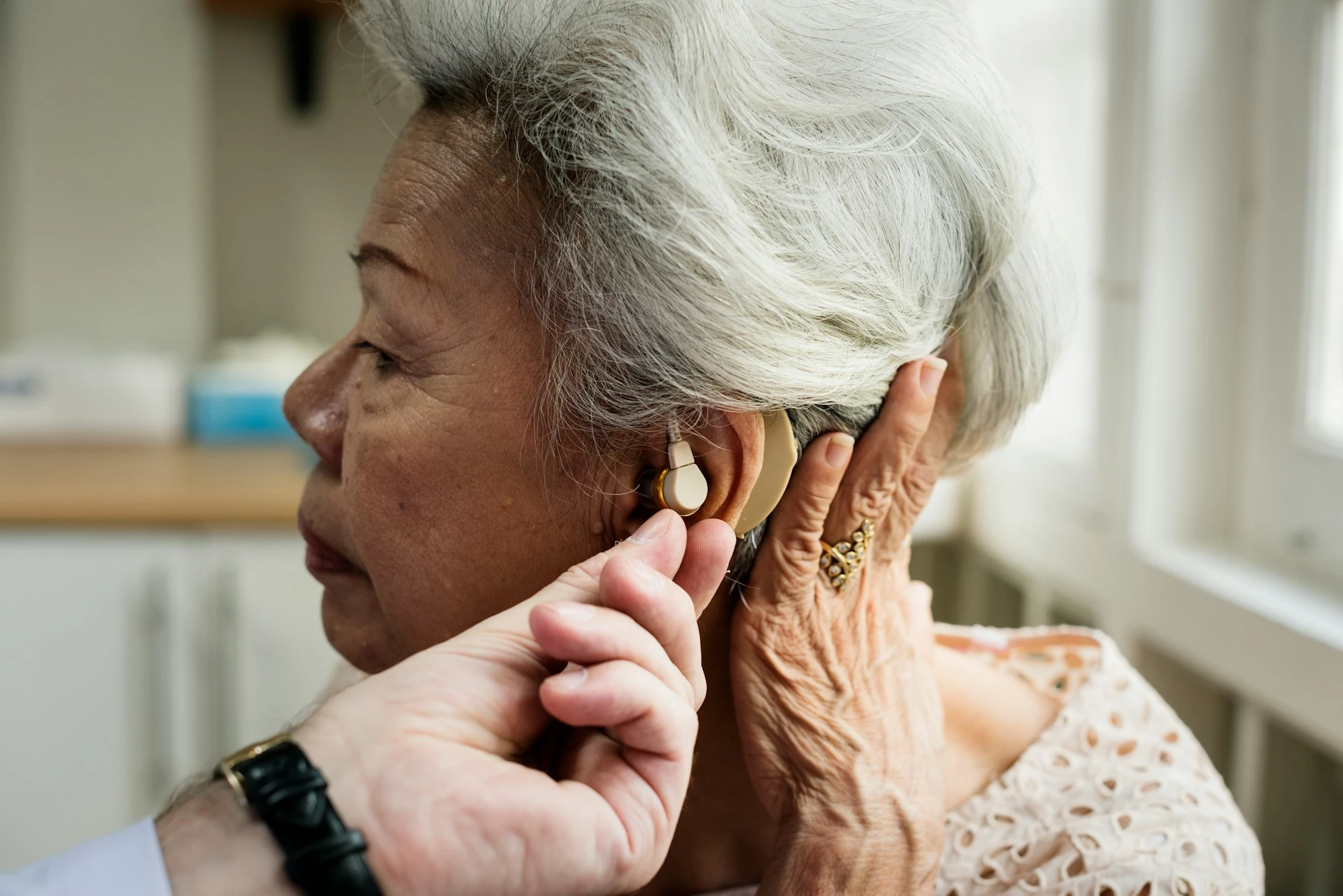
The perception of tinnitus is the feeling of hearing a sound without an external sound. It’s often described as a ringing or buzzing sensation. It can occur in one ear or both. Tinnitus sounds can be either occasional and mild or more persistent and disruptive.
While tinnitus itself is not a disease, the cause of tinnitus is typically a symptom of an underlying issue, most commonly hearing loss. Age-related hearing loss, noise exposure, ear injury, or certain medical conditions can all contribute to tinnitus.
From The Expert
“When an individual has hearing loss, their brain tries to ‘fill in the gaps’ by making up its own sounds, and that is what is perceived as tinnitus.”

Eileen Clark, Au.D. (Doctor of Audiology) and Practice Owner of Integral Audiology
Tinnitus Symptoms
Tinnitus has a range of symptoms. Your symptoms will be individual to you. The types of tinnitus symptoms are often described as follows:
- Ringing
- Buzzing
- Hissing
- Whistling
- Clicking
- Roaring
The sound itself also varies and can be constant or intermittent, and louder at times. Symptoms can cause a variety of responses, including difficulty sleeping and concentrating, as well as increased stress.
How to Measure for Tinnitus
There’s no single medical test that directly measures tinnitus within your auditory system.”If you think you have tinnitus, the first step is to schedule a comprehensive hearing evaluation with an audiologist. During this visit, the audiologist will examine your ears to identify any underlying factors that could be contributing to your symptoms. This includes checking for earwax buildup, evaluating the health of the eardrums, and completing a diagnostic hearing test. Even a mild hearing loss can contribute to tinnitus,” says Clark.
Hearing care professionals evaluate tinnitus through a combination of patient interviews and hearing tests. These include the aforementioned comprehensive hearing exam, pitch matching (identifying the frequency of the tinnitus tone), loudness matching (estimating how intense it sounds), and questionnaires that assess how tinnitus affects daily life
These measurements help determine treatment options and whether hearing aids, sound therapy, or other management strategies will be helpful.
How Hearing Aids Help Tinnitus
Hearing aids do not cure tinnitus, but they can reduce the perceived severity of the symptoms. “Because tinnitus is typically a symptom of hearing loss, addressing the underlying hearing loss is often the most effective strategy. By improving access to sound and restoring auditory input, hearing aids reduce the brain’s need to “fill in the gaps,” which can then decrease the perception of tinnitus,” Clark says.
They also work through:
- Amplification increases background sound and reduces the contrast between silence and tinnitus. This can make ringing less prominent.
- Sound therapy and masking programs found in prescription hearing aids introduce customizable relief sounds designed to reduce the awareness of tinnitus.
- Speech clarity can reduce listening strain, which may lower stress and fatigue associated with tinnitus symptoms.
The Best Types of Hearing Aids for Tinnitus Management
The best types of hearing aids for tinnitus use a combination of amplification and sound therapy. Hearing aid technology and style influence comfort and relief, but preferences vary.
Here are the main types to consider:
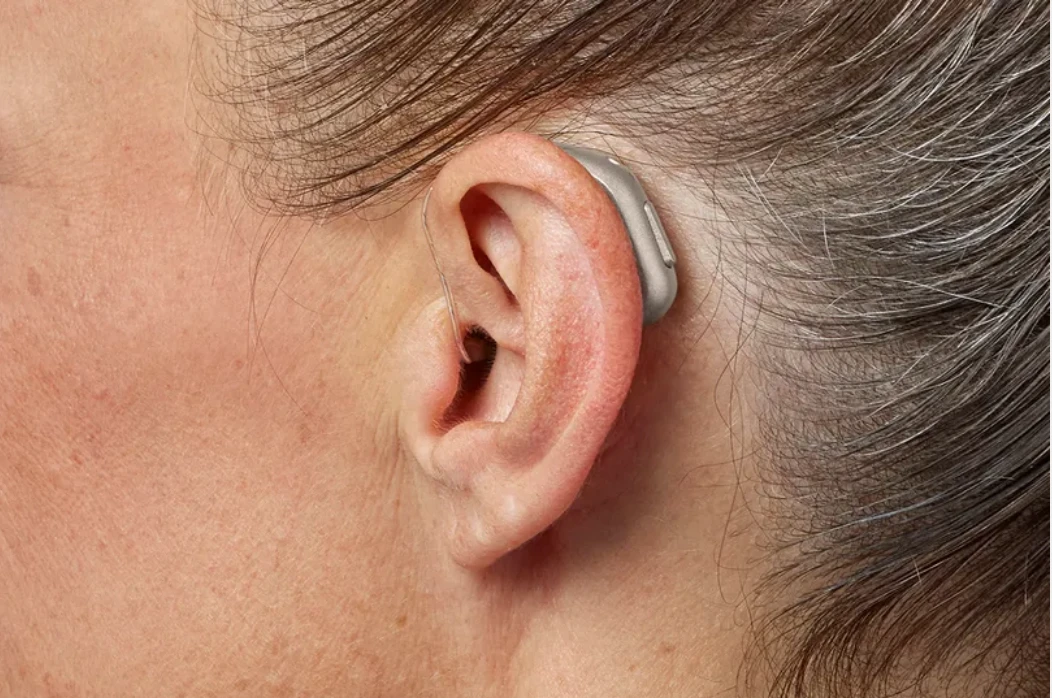
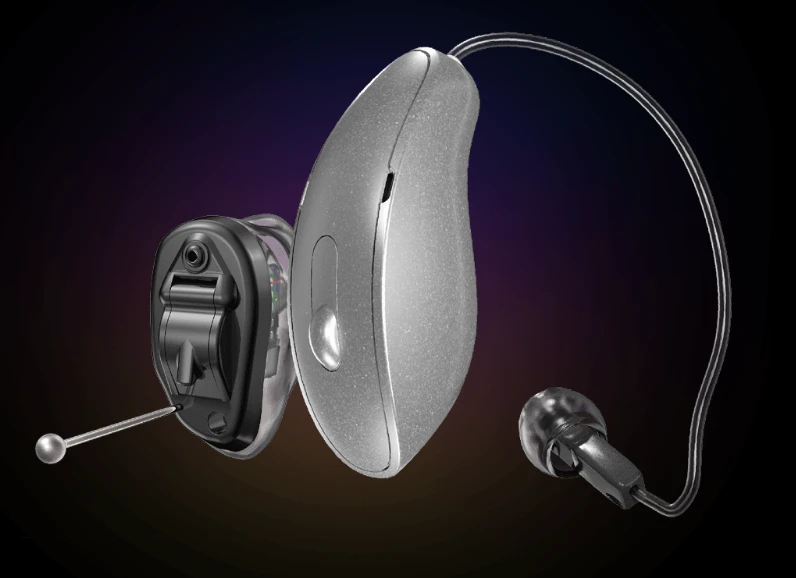
- Receiver-in-Canal (RIC): A popular style that supports advanced tinnitus features and multiple listening programs while remaining discreet and lightweight.
- Behind-the-Ear (BTE): Larger devices that deliver stronger amplification, often recommended for moderate to severe hearing loss with tinnitus.
- In-the-Ear (ITE/ITC): Custom-molded ear canal options that include masking features but typically offer fewer advanced therapy programs.
- Hearing Aids With Built-In Sound Therapy: Prescription models that include masking noise, notch therapy, or structured sound programs for tinnitus relief.
- Rechargeable Hearing Aids: Convenient for all-day masking use without the need to replace small batteries frequently.
Over-The-Counter vs. Prescription Hearing Aids for Tinnitus Relief
While some over-the-counter hearing aids can help with tinnitus, generally, prescription hearing aids are best for tinnitus relief. Take a look.
Over-the-counter hearing aids are designed for mild to moderate hearing loss and do not require a clinical visit. While some OTC models include basic masking sounds that help reduce tinnitus awareness, prescription hearing aids that can be precisely programmed by a licensed audiologist provide more advanced relief for tinnitus. They also provided advanced tinnitus features, including customizable masking programs, notch therapy, and structured sound therapy.
“Over-the-counter hearing aids are not typically recommended for tinnitus management because they cannot be precisely programmed to an individual’s hearing loss,” Clark says.
“Tinnitus is typically a symptom of hearing loss, so accurate, personalized programming is essential for effective management. Devices that are not properly fit may overamplify certain sounds or provide uneven amplification, which can increase listening fatigue and, in some cases, worsen the tinnitus. Perhaps most importantly, successful tinnitus management involves professional guidance and counseling, which is support that OTC devices simply do not provide.”
The choice ultimately depends on hearing health, symptom severity, budget, and whether guided clinical support is desired.
Key Features to Look for in the Best Hearing Aids for Tinnitus and Hearing Loss
When shopping for hearing aids specifically for chronic tinnitus, amplification alone is not enough. The most effective devices include built-in sound features and customization tools that help reduce ringing and maintain clear speech. Understanding which features are available (and how they work) can help you choose a model that aligns with your symptoms and improves your well-being. Take a look at the following.
Built-in Sound Therapy and Masking Programs
Many prescription hearing aids include broadband noise generators or customizable masking sounds. This provides a steady background sound, such as pink noise, that blurs the difference between silence and tinnitus. It makes the ringing less noticeable for those who experience tinnitus. In high-quality models, an audiologist fine-tunes the masking sound’s volume and tone for greater comfort.
Within this category, you will see:
- Notch therapy: This is for tonal tinnitus. It reduces amplification at the specific frequency of the ringing instead of adding masking noise. The idea is that eventually, the brain places less emphasis on that tone.
- Fractal or relief tones: These are soft, non-repeating chime-like sounds used in structured tinnitus therapy programs. Unlike white noise, fractal tones should feel soothing rather than intrusive during daily listening.
App-Based Control
Many modern hearing aids connect to a smartphone app – either iPhone or Android – allowing users to adjust volume, switch programs, and modify masking levels in real time. This flexibility can be helpful when tinnitus intensity changes throughout the day.
Multiple Program Storage
Devices with multiple program storage allow users to switch between everyday hearing settings and dedicated tinnitus programs. This can be especially useful in quiet environments where tinnitus may be more noticeable.
Programming support
Prescription hearing aids are programmed by licensed audiologists or hearing healthcare professionals. For tinnitus, professional calibration includes pitch matching and gradual adjustments over time, offering a level of personalization that self-fitting devices typically cannot match.
What to Consider When Buying Hearing Aids for Tinnitus
Choosing a hearing aid for tinnitus starts with understanding your symptoms and matching them to the right level of support. The severity of your hearing loss, how intrusive your tinnitus feels, and the technology built into the device all influence how much relief you may experience.
- Hearing Loss: Level of hearing loss determines the style and amplification power you need.
- Tinnitus Severity: Persistent or tonal tinnitus often requires more advanced therapy features.
- Technology Match: Higher-tier models provide greater customization and masking options.
Cost and Coverage Options for Hearing Aids for Tinnitus
In our research and discussions with healthcare professionals, we found that the price tag for hearing aids for tinnitus relief is typically between $1,000 and $7,000. Prescription hearing aids cost more – between $2,000 and $7,000 per pair. The price depends on the technology and whether professional services such as fitting and follow-up care are included. In this case, hearing aids and related exams are usually eligible expenses under Health Savings Accounts (HSA) and Flexible Spending Accounts (FSA), which can help offset costs.
The best over-the-counter hearing aids for tinnitus are more affordable, usually between $400 and $1,500 per pair. Though they offer less customization.
When considering coverage, it’s important to note that Medicare does not cover hearing aids or fittings, but some Medicare Advantage plans may provide partial benefits. Medicaid coverage varies by state, so it’s important to check your state. These benefits often come with coverage limits or prior authorization requirements.
Finally, both prescription and OTC hearing aid providers offer trial periods of 30 to 60 days. Reviewing the return policy before purchasing can help reduce financial risk.
Frequently Asked Questions about Hearing Aids for Tinnitus
No. Hearing aids cannot completely block tinnitus, but many can reduce its perceived loudness. These features introduce background sounds or adjust amplification to reduce ringing.
Yes, hearing aids can help you manage tinnitus, especially when hearing loss is present. By amplifying everyday sounds and adding masking features, they often reduce awareness of ringing and improve comfort.
Relief from hearing aids typically takes several days to weeks. The time it takes the brain to adjust varies by tinnitus severity and device programming.
Generally, no, but poorly adjusted amplification or excessive volume increases discomfort. Properly fitted, professionally programmed hearing aids are unlikely to worsen tinnitus.
Hearing aids do not cure tinnitus. They help manage symptoms by reducing tinnitus perception. The sooner tinnitus is diagnosed and managed, the easier it is to reduce its impact.
Concluding Thoughts on Hearing Aids for Tinnitus
Bottom Line: The best hearing aids for tinnitus cannot cure it, but they can significantly reduce its noise.
For many people, especially those with hearing loss, amplification paired with sound therapy features helps reduce the contrast between silence and ringing. The best results often come from matching tinnitus severity to the right level of technology and programming support.
If symptoms are mild, an OTC hearing aid for tinnitus may be a reasonable starting point. For persistent or tonal tinnitus, prescription hearing aids for tinnitus that include structured therapy features will provide more personalized relief.