
Retirement Living takes an unbiased approach to our reviews. We may earn money when you click a partner link. Learn More
Hearing Aid Technology: The Latest Innovations
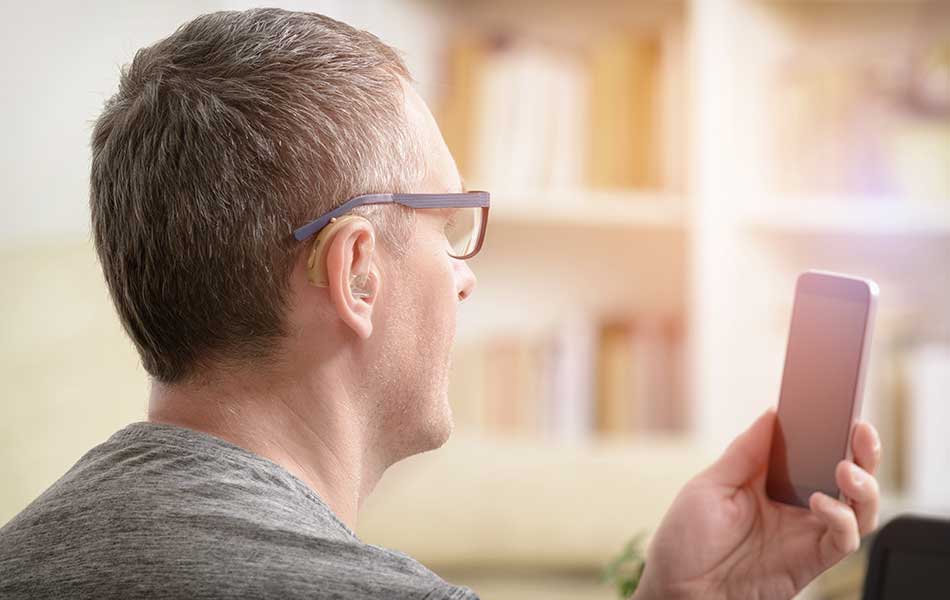
Modern hearing aid technology includes advanced features like Bluetooth connectivity, noise reduction, and rechargeable batteries, helping users hear more clearly and customize their listening experience with better sound quality and improved health outcomes.


Updated:
At a glance:
- Modern hearing aids are smaller, more discreet, and designed for all-day comfort while delivering more natural, adaptive sound processing.
- Ear-to-ear (binaural) connectivity allows adjustments made to one hearing aid to automatically sync with the other for balanced, coordinated sound.
- Noise reduction and feedback cancellation systems help reduce background noise and prevent whistling or high-pitched feedback.
Like all technology, hearing aids continue to evolve. In hearing aids, these improvements include smaller designs, enhanced sound processing, and widely adopted features like rechargeable batteries and wireless connectivity, reflecting ongoing technological advances in hearing technology.
Understanding these changes can help you choose the right features and better manage basic troubleshooting or maintenance issues as part of your overall hearing care. Below is an overview of basic and advanced hearing aid features to consider when comparing today’s hearing aids and the latest hearing aids on the market.
Basic Hearing Aid Technology
One of the biggest advancements in hearing aids has been their smaller, more discreet designs, along with improved durability and battery efficiency. At the same time, performance and available features have significantly improved, especially in digital hearing aids that use advanced algorithms to optimize sound quality.
Sound Synchrony (Ear-to-Ear Connection)
Older hearing aids operated independently in each ear and required separate adjustments. Modern devices use binaural wireless connectivity to link hearing aids. This allows changes made on one device to automatically apply to the other hearing aid, improving the overall hearing experience.
Additionally, instead of receiving slightly different sound inputs in each ear depending on your position or who you are speaking with, ear-to-ear systems create a more unified sound experience that closely resembles natural hearing and supports better hearing in everyday environments.
Clearer Phone Calls (Telecoil)
A telecoil is a small copper coil inside the hearing aid that functions similarly to an antenna. The coil detects electromagnetic signals and converts them into an audio signal within the device. Telecoil technology can bypass the hearing aid’s microphone, which helps reduce background noise during calls or in loop systems. This is especially helpful when holding a cell phone close to your ear during calls or using hands-free accessories.
Telecoil technology is also important for people who frequently use hearing aid loop systems in places like churches, offices, and service counters, where sound is transmitted directly to the hearing aid via the telecoil.
Less Background Noise (Noise Reduction)
Many modern hearing aids include some form of advanced noise-reduction processing. Noise reduction is typically handled through digital signal processing and algorithms, which help distinguish speech from background noise and reduce unwanted sound. This allows hearing aids to reduce distracting background noise while still preserving speech clarity and improving overall sound quality.
However, the degree of noise reduction and overall performance can vary significantly depending on the manufacturer and the underlying sound-processing technology.
Avoid Painful Electronic Noise (Feedback Management)
In addition to noise reduction, most modern hearing aids also include feedback management systems. Feedback, often heard as a whistling or high-pitched screech, occurs when amplified sound re-enters the microphone, creating a feedback loop. Earwax buildup in the ear canal or an improper fit of the hearing aid can both contribute to feedback. Fortunately, modern hearing aids use digital processing to reduce or eliminate feedback in most situations.
Hear Where You Need It Most (Directional Microphones)
Directional microphones are an important part of hearing aid performance because they allow devices to focus on sound coming from a specific direction. This makes it easier to follow conversations in noisy environments such as restaurants or crowded spaces and improves the overall hearing experience. However, not all directional microphone systems function in the same way.
- Directional Microphones: Pick up sound primarily from a targeted direction, usually in front of the user. This is typically the direction the user is facing, where most speech naturally occurs. Directional microphones are often paired with omnidirectional modes, which can be switched manually or automatically depending on the device.
- Omnidirectional Microphones: Pick up sound evenly from all directions. This mode works best in quiet or stable environments, such as at home or in calm indoor settings.
- Adaptive Directional Microphones: A more recent advancement in hearing aid technology, these microphones automatically shift focus between sound sources in response to changing speech and noise conditions.
Advanced Hearing Aid Technology
In addition to standard features, modern hearing aids now include advanced technologies that can significantly improve listening comfort and clarity. Availability of these features often depends on the manufacturer and can significantly influence the overall cost of the hearing aid, especially when comparing different hearing aid styles such as BTE (behind-the-ear) and ITE (in-the-ear) models.
Less Ringing in Your Ears (Tinnitus Masking)
Tinnitus, commonly described as ringing in the ears, is a common and often frustrating condition for many users. While hearing aids do not cure tinnitus, some models can reduce its perception through masking features. Hearing aids do this by introducing low-level masking sounds or amplifying ambient sound, which helps shift the brain’s focus away from tinnitus and supports overall hearing health.
Rechargeable Batteries
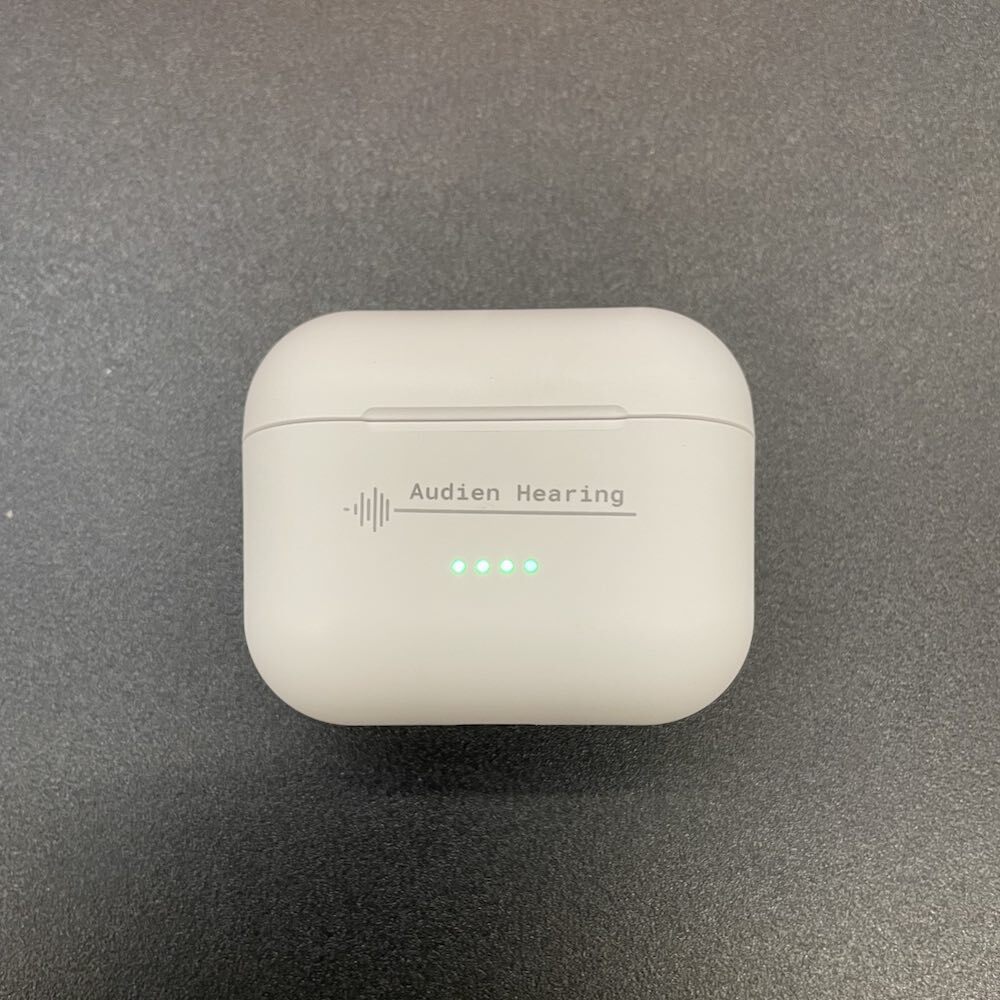
Many modern hearing aids now come with rechargeable lithium-ion battery systems. These rechargeable hearing aids are placed in a charging case and typically provide a full day of use after a full charge, depending on usage and streaming demands. This reduces the need to handle or frequently replace small disposable batteries, which can be difficult for users with dexterity concerns.
Rechargeable models are now widely available across many major hearing aid brands, making them a popular option when selecting a new hearing aid.
Connect to What You Want (Bluetooth Capabilities/Wireless Technology)
Wireless connectivity has become a standard part of modern hearing aid design. Many manufacturers now include Bluetooth or Bluetooth LE Audio, allowing users to stream audio directly from smartphones and other devices.
Smart home devices, such as doorbells, smoke alarms, lighting systems, and appliances, can often connect directly to compatible hearing aids. This feature is especially useful for users who frequently stream entertainment or media. For example, hearing aids can connect to smartphones, tablets, televisions, and computers to stream music, shows, and movies, effectively functioning like wireless earphones and enhancing how hearing aids work in everyday life.
Some OTC and app-based devices also allow earbuds or hearable products to provide basic hearing assistance through Bluetooth connectivity and smartphone amplification features.
However, Bluetooth connectivity can increase battery drain and may sometimes introduce pairing or compatibility limitations depending on the device ecosystem.
Hear What’s Important (Environmental Settings/Channels)
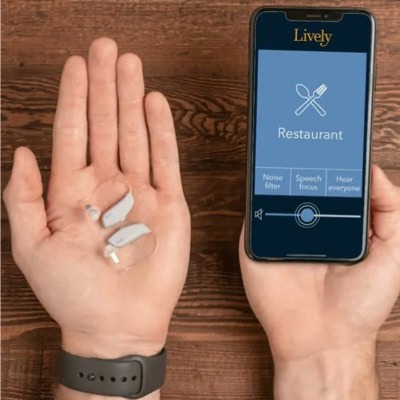
Environmental settings allow hearing aids to adapt to different listening environments providing clearer and more balanced sound. For example, they can reduce background noise at crowded events or soften low-level sounds, such as running water, to improve speech clarity and overall sound quality.
Many modern hearing devices include preset programs for environments such as driving, restaurants, or outdoor settings to reduce specific types of noise. In most cases, users can manually switch between these settings, sometimes called programs or channels, while more advanced models adjust automatically.
Adjust and Amplify (Smartphone Apps)
Hearing aid apps generally fall into two main categories: those used to connect devices to smartphones or tablets.
- Hearing Aid Amplifier Apps: These apps use the device’s microphone to amplify ambient sounds. Some also help balance sound between ears and improve speech clarity by reducing background noise, helping users achieve better hearing in certain situations. Many amplifier apps are available on iPhone and Android, though performance and availability vary widely across devices and platforms.
- Hearing Aid Controller Apps: These apps allow users to control and adjust volume, programs, and settings directly from a smartphone. Most major manufacturers now offer companion apps compatible with both iPhone and Android devices. Examples include apps from leading manufacturers such as ReSound, Starkey, and Phonak.
Artificial Intelligence in Hearing Aids (Deep Neural Networks)
Modern AI-powered hearing aids use deep neural networks (DNNs) to automatically adapt sound processing in real time to the listening environment. This is useful because it allows the device to process a wide range of complex sound environments more effectively, improving overall sound quality.
DNNs represent a more advanced evolution of environmental sound processing systems. The way a crowded environment sounds can vary significantly from one user to another. DNN hearing aids learn patterns in your listening environments and daily routines to improve clarity and speech recognition over time, helping users find the right hearing aid for their needs. This technology can benefit a wide range of hearing loss types and listening needs.
Waterproof/Water-Resistant Devices
While “waterproof” hearing aids are sometimes advertised, no hearing aids are fully waterproof under real-world conditions. Instead, most devices are water-resistant to varying degrees, with some designed to withstand sweat and rain better than others, but not prolonged exposure to water or submersion.
If water resistance matters, check the device’s IP rating, which is a standardized measure of protection against dust and moisture. In general, higher IP ratings indicate stronger protection against water and debris.
Frequently Asked Questions (FAQs) About Hearing Aid Technology
Today’s hearing aids incorporate digital signal processing technologies powered by artificial intelligence and deep learning, which automatically adjust sound based on ambient conditions to provide clear speech and high-quality hearing. The current generation of hearing aids also incorporates Bluetooth connectivity or LE Audio, allowing users to stream directly from their smartphones, rechargeable batteries that last throughout the day, and user-friendly mobile applications that let users tweak hearing aid settings at any time.
Various forms of hearing aid technology usually depend on how sound is processed, the connectivity options between the hearing device and other devices, and the type of fit. Common examples of hearing aid technology today include digital hearing aids with sophisticated sound processing, noise suppression, and feedback cancellation. Bluetooth hearing aids that can receive signals from cell phones and TVs have also been developed to help users enjoy better connectivity and convenience. Artificial intelligence hearing aids are designed to adapt to the user’s surroundings, while some hearing aids include a telecoil to support clear phone conversations.
The technology involved in hearing aids entails capturing sound waves through a microphone, digitizing them, and transmitting them into the ear canal, usually at amplified volumes suitable for you. Modern hearing aids employ various advanced techniques to distinguish speech from background noise, reduce feedback, and ensure optimal sound clarity. The signal is passed through an audio receiver and introduced into the ear canal, providing a superior audio listening experience. Some hearing aids employ artificial intelligence to optimize their performance according to the listening environment.
Rechargeable batteries make things easier, since there is no constant need to change tiny batteries, which can be hard to manage for some people. Moreover, they give you more stable energy that will last from 18 to 24 hours before requiring a recharge, depending on how much you use your hearing aid and whether you stream anything. Almost all rechargeable hearing aids come with a travel charger, allowing you to charge your device at home and while traveling.
There is a clear gap between the technology used in digital and analog hearing aids, as the former is far more sophisticated. Compared with analog hearing aids, digital hearing aids convert sound into a digital signal using complex algorithms to reduce background noise and emphasize speech. Moreover, digital hearing aids adapt easily to changing acoustic environments, providing users with improved sound quality. Analog hearing aids cannot perform the same tasks because they merely amplify all sounds.
Contemporary hearing aid devices can connect to mobile phones or other audio devices via Bluetooth or newer Bluetooth versions, such as LE Audio, to receive audio signals. The pairing allows users to make phone calls, listen to music, and access other multimedia content from their hearing aids without holding the phone. Additionally, hearing aids can be connected to their corresponding applications to provide an advanced audio experience, including features like volume adjustment.
Choosing Hearing Aid Features
Ultimately, the features you choose will depend on your hearing needs, budget, and the features that matter most for your daily life. Working with an audiologist can also help ensure you select the most appropriate device and settings for your specific hearing profile.
Our guide to the best hearing aid companies can help you compare devices with different levels of technology and find the right hearing aid among today’s leading hearing devices.
Help us improve our cost data! Email your latest hearing aids quote to [email protected]. Rest assured, your personal details will remain completely confidential.