
Retirement Living takes an unbiased approach to our reviews. We may earn money when you click a partner link. Learn More
How Do Bluetooth Hearing Aids Work?
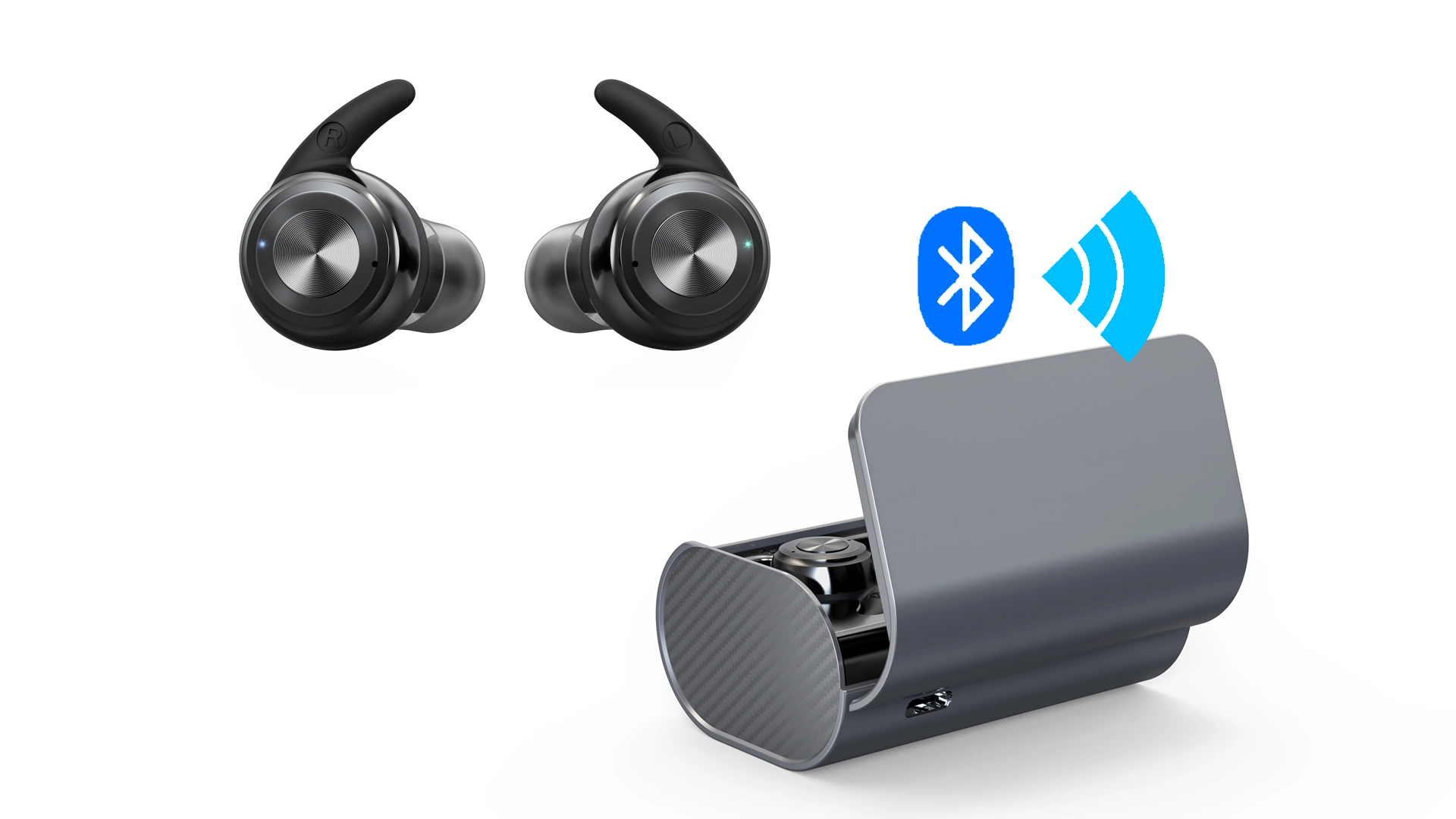
Bluetooth uses low-power, wireless technology to enable audio streaming and enhance listening experiences.


Updated:
At a glance:
- Bluetooth uses 2.4 GHz UHF radio waves, allowing hearing aid users to connect their electronic devices, like smartphones and tablets, for direct audio streaming.
- Bluetooth LE ensures low power consumption, reducing battery drain and allowing users to enjoy enhanced audio for hours a day.
- Bluetooth-enabled hearing aids allow users to stream music, listen to podcasts/audiobooks, take phone calls, and even play sounds for tinnitus relief.
Bluetooth technology was developed in 1994 using low-power, short-range radio technology and became commercially available in 1999. As it developed, it became widely spread and integrated into electronic devices such as smartphones, earbuds, and portable speakers.
In 2014, Bluetooth functionality was added to hearing aid technology with the introduction of “Made for iPhone” (MFi) hearing aids, which enabled direct streaming without additional components.
Now, many modern hearing aids include Bluetooth features. Below, we discuss what Bluetooth is and how it works in your hearing aids.
What is Bluetooth Connectivity?
Bluetooth is a low-power technology that allows devices like smartphones, headphones, laptops, speakers, hearing aids, and more to connect wirelessly and exchange data. It has a short range, typically reaching up to about 30 feet. It’s ideal for pairing devices and streaming audio.
How Does it Work?
Bluetooth uses 2.4 GHz UHF radio waves to create secure, personal networks that allow users to connect their electronic devices and enable audio streaming. It allows devices to safely send and receive data and is designed to filter out the wrong frequencies, minimizing interference and ensuring a stable connection. This feature is especially useful for hearing devices as it ensures proper sound quality and a pleasant listening experience.
Historically, integrating original or Bluetooth Classic into hearing aids drained batteries too fast, as the wireless technology was designed for constant, high-data-rate communication. However, modern types of hearing aids use a more power-efficient version of the technology called Bluetooth Low Energy (LE). Bluetooth LE prioritizes extremely low power consumption over high data throughput, preserving your hearing aids’ battery life.
How Do Bluetooth Hearing Aids Work
Bluetooth-enabled hearing aids double as wireless earbuds. Not only do they support hearing loss, but they can also connect to your iPad, tablet, or Apple or Android phone, allowing you to make hands-free phone calls, listen to music, watch TV, and more.
Bluetooth hearing aids can also pair with more than one device using a streamer, an assistive listening device that links your hearing aids to multiple devices at once. This allows you to stay connected to your phone while still streaming TV or music from your tablet.
It’s important to note that your device’s age may affect its Bluetooth compatibility, potentially preventing your hearing aids from connecting to it. Be sure to check if your hearing aids and devices support the same Bluetooth protocols and versions.
How to Use Bluetooth Hearing Aids
To use your Bluetooth hearing aids, start by putting them into pairing mode. The process can vary by hearing aid provider, but you may need to restart your devices to enter this mode. However, some hearing aids can be put into pairing mode via a smartphone app.
Once in pairing mode, you can choose which device to connect to. In most cases, once your hearing aids have connected with a device for the first time, they will recognize the frequency and connect automatically.
Use your Bluetooth hearing aids to:
- Stream music
- Listen to podcasts and audiobooks
- Connect to your electronic devices to watch YouTube, TV shows, and more
- Take phone calls
- Play sounds for tinnitus relief
Additionally, many modern hearing aids now come with rechargeable batteries, allowing wearers to power both the hearing aid and the Bluetooth device for hours at a time.
Benefits of Bluetooth Hearing Aids
Bluetooth is a great addition to the daily life of hearing aid users. They are more than simple hearing solutions; they process multiple audio signals at once and keep them clear and separate to ensure high-quality sound.
The main benefits of Bluetooth hearing aids include:
- Direct Audio Streaming: You can stream audio directly from all types of devices, turning your hearing aids into high-quality wireless headphones.
- Personalized Listening Experiences: You can adjust volume at will, but it will automatically match your hearing aid settings to amplify sounds based on your needs.
- Remote Control: You can control and program your devices remotely, usually via a phone app, allowing you to make adjustments as needed.
- Convenient & Clear Phone Conversations: Sound is delivered directly to your ears, already adjusted to your specific hearing profile, providing a hands-free experience.
- Reduce Background Noise: Bluetooth can help reduce background noise in places like restaurants or loud social gatherings.
- Enhanced Audio Quality: Bluetooth hearing aids often use binaural communication, which allows both aids to work together to improve sound localization and overall audio quality.
- Enhanced Conversations: Bluetooth hearing aids can connect to remote microphones worn by the person you’re speaking with or placed on a table, which are great for noisy restaurants or lecture-style events.
Overall, using Bluetooth-enabled hearing aids offers many benefits and can significantly improve your quality of life.
Bottom Line: Are Bluetooth Hearing Aids Right for You?
Technological advancements have allowed hearing aid manufacturers to easily integrate Bluetooth functionality, turning hearing aids into multi-use devices that offer better hearing without reducing battery power.
Bluetooth hearing aids are best for those who want to stream media without removing their hearing aids and for those who want improved hearing in noisy environments through direct audio streaming, hands-free calling, and app-based adjustments.
However, Bluetooth hearing aids typically cost more than basic hearing aids and may have shorter battery life. Additionally, most Bluetooth-enabled hearing aids are larger, more visible devices. More discreet and invisible hearing aids tend to be too small to include Bluetooth technology. So, if you’re someone who prioritizes discreet hearing solutions, Bluetooth devices may not be best for you.
Talk to an audiologist about your needs and preferences to learn what hearing care options can help.
Frequently Asked Questions (FAQs): Bluetooth Hearing Aids
While Bluetooth hearing aids offer many benefits, there are drawbacks to keep in mind. Even with Bluetooth LE, using Bluetooth can increase battery drain. Some experience connectivity issues, audio delays, or technical complexity issues. Additionally, Bluetooth hearing aids are often associated with higher costs, which can be a barrier for some.
No, Bluetooth does not have to be on for your hearing aids to work. Bluetooth is considered a convenience feature, and does not interfere with the main function of your hearing aids, which is to amplify sound and adjust to environments based on your hearing needs.
Answering a phone call using your Bluetooth hearing aids differs depending on the type and settings. Typically, you can press a button on your aids, double-tap the device, or accept the call on your phone like normal, and the audio will be directed into your hearing aids. However, if your devices aren’t connected to your phone or Bluetooth is turned off, you will first need to turn Bluetooth on and pair them.
Auracast is a new Bluetooth capability that allows multiple people to connect to an audio source. Whether it will work with your hearing aids depends on the model. Because Auracast is new, most Bluetooth hearing aids won’t be equipped with the necessary technology. Unless your hearing aids are brand new or are “Auracast-ready” models (from around 2023 onward), then they most likely won’t work with Auracast.
Help us improve our cost data! Email your latest hearing aids quote to [email protected]. Rest assured, your personal details will remain completely confidential.