
Retirement Living takes an unbiased approach to our reviews. We may earn money when you click a partner link. Learn More
Best Hearing Aids With Bluetooth
We reviewed and selected the best Bluetooth hearing aids based on sound quality, connectivity, battery life, and ease of use.



Updated:
Our top picks for the best Bluetooth hearing aids include Jabra Enhance, Eargo, and ELEHEAR. We compared sound quality, Bluetooth connectivity, battery life, and ease of use to help you choose with confidence.

Jabra Enhance offers online tools that begin with a virtual consultation. This helps you find the right hearing aid for your needs. After receiving them, the company provides support as needed. Jabra Enhance offers a great choice for those seeking affordable hearing aids. You don’t need to visit an office to get them.
- Trained audiology care team support
- 100-day free trial
- 3-year warranty

4.7
Eargo hearing aids treat mild to moderate hearing loss. Consumers can buy breathable, rechargeable hearing aids online. No hearing test or prescription is needed. Eargo provides unlimited phone support from licensed hearing professionals.
- Innovative Products
- Expedited process
- 2 hearing aid models available

ELEHEAR Beyond Pro
4.6
Elehear Beyond Pro hearing aids are designed for mild to moderate hearing loss, offering advanced sound processing and AI-powered noise reduction. Users can purchase these rechargeable, in-ear devices online without a prescription or in-person visit. Elehear also provides app-based controls and remote support for easy customization.
- Great affordable Bluetooth OTC hearing aids
- AI-powered sound optimization
- App-based controls and support

Phonak Audéo Lumity
4.8
Phonak Audéo Lumity hearing aids are designed for mild to severe hearing loss, using advanced speech-enhancing technology to improve conversations in noisy environments. These rechargeable devices can be customized through a mobile app and offer seamless Bluetooth connectivity for calls and streaming. Phonak also provides ongoing support through hearing care professionals.
- Great Bluetooth hearing aids for multiple device connectivity
- Advanced speech enhancement
- Personalized app controls

4.6
Lexie Hearing aids are affordable and offer easy access to customer service. The company sells directly to consumers. This allows for lower costs. You can also choose Lexie Hearing subscription payment plans.
- Great Technology
- 45-day free trial
- Affordable subscription available
Bluetooth hearing aids are hearing devices that connect to your phone, TV, and other electronics. They let you stream phone calls, audio, and media directly to your ears. Many models also offer app control, rechargeable batteries, and features that improve speech clarity in background noise.
This guide compares the best Bluetooth hearing aids and explains key features, costs, and how they work for different levels of hearing loss. To learn how we selected our top picks, see our methodology below.
If you want to compare more devices beyond Bluetooth features, including prescription and over-the-counter options, you can also read our best hearing aids guide.
Comparing the Best Bluetooth Hearing Aid Companies Side-by-Side
Bluetooth Hearing Aid Comparison
| Feature | Jabra Enhance | Eargo | ELEHEAR Beyond Pro | Phonak Audéo Lumity | Lexie |
|---|---|---|---|---|---|
| Type | Behind-the-ear (BTE) | In-ear (CIC) and earbud-style | In-ear (RIC) | Behind-the-ear (BTE) | Behind-the-ear (BTE) |
| Bluetooth Features | Direct Bluetooth streaming for phone calls, TV, and audio streaming; app control and remote adjustments | Limited Bluetooth streaming; app-based adjustments via charging case; LINK model supports calls and streaming | Bluetooth streaming for calls and media; app control with sound presets and noise reduction | Universal Bluetooth connectivity for multiple devices; hands-free calling and audio streaming | Bluetooth app control, call support, and remote adjustments; easy pairing with iPhone and Android devices |
| Rechargeable | Yes | Yes | Yes | Yes | Yes (varies by models) |
| Battery Life | Up to 30 hours | Up to 16 hours | Up to 20 hours | Up to 16 hours | Up to 18 hours |
| Price Range | $1,195 – $1,995 per pair | $799 – $2,699 per pair | $399 – $599 per pair | ~$2,000 – $7,000+ per pair | $799 – $999 per pair |
| Best For | Overall Bluetooth performance | Invisible in-ear design | Affordable OTC Bluetooth hearing aids | Multiple device connectivity | Beginners and first-time users |
How We Chose the Best Bluetooth Hearing Aids
We examined more than 18 hearing aid manufacturers that offer Bluetooth-enabled hearing devices in the U.S. We focused on models that support varying levels of hearing loss.
We reviewed both over-the-counter (OTC) and prescription hearing aids. We considered when users need an audiologist, a hearing test, or an audiogram.
We evaluated each device using the same criteria:
- Sound quality, speech clarity, and speech enhancement in quiet and noisy environments
- Bluetooth functionality for phone calls, audio streaming, and TV use
- Compatibility with iPhone, iOS, and Android devices
- Battery life and rechargeable hearing aid performance
- App control and remote adjustments
- Ease of use for older adults
- Noise cancellation and sound processing
- Warranty and customer support
- Total hearing aid cost, including upfront price and ongoing fees
We also reviewed call quality, connection stability, and daily performance. Our goal was to identify high-quality Bluetooth hearing aids that deliver clear sound, reliable performance, and practical features for everyday use.
Best Hearing Aids With Bluetooth Reviews
Jabra Enhance Hearing Aids Review
Trained audiology care team support
|
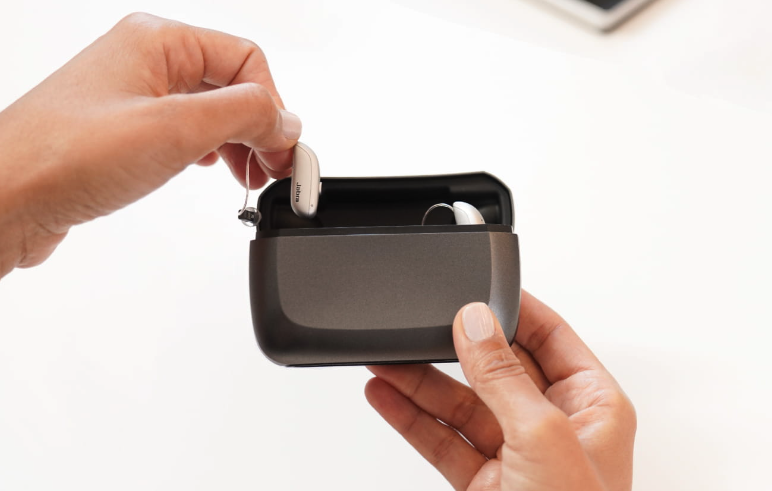
Jabra Enhance offers over-the-counter hearing aids sold online with remote support. It is best for adults with mild to moderate hearing loss who want to avoid in-person visits. Prices range from $1,195 to $1,995 per pair. These devices provide up to 30 hours of battery life and allow direct streaming for calls and media through a smartphone app.
Key Features
- Direct streaming for phone calls, TV, and media
- App-based volume control and remote support from hearing professionals
- Rechargeable battery with portable charging case and charger
Pros
- Strong speech clarity in quiet and noisy environments
- Works with iPhone and compatible Android devices
- Long battery life supports full-day use
Cons
- Not designed for severe or profound hearing loss
- Only available in behind-the-ear styles
- Requires basic smartphone use for setup and adjustments
For more information, read our full Jabra Enhance review.
Eargo Review
Innovative Products
|
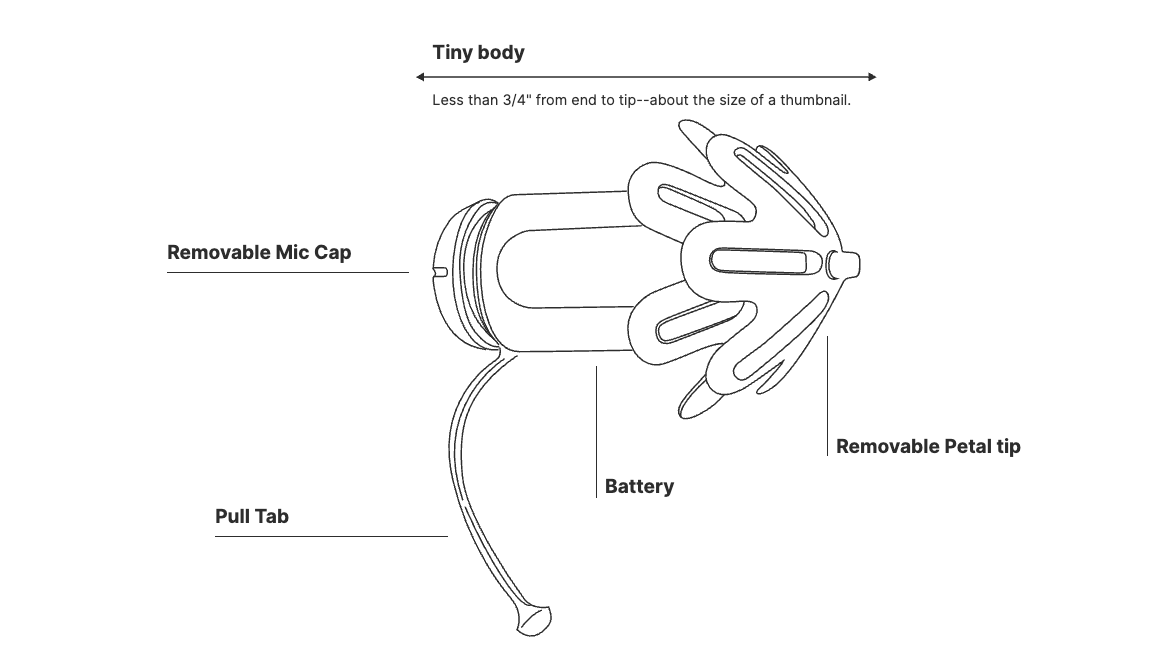
Eargo offers over-the-counter hearing aids that sit inside the ear for a low-profile fit. It is best for adults with mild to moderate hearing loss who want a discreet option.
Prices range from $799 to $2,699 per pair. The LINK by Eargo includes direct Bluetooth streaming for phone calls and media, while other models rely on the app and charging case for adjustments rather than streaming.
Key Features
- Completely-in-canal and earbud-style designs
- App-based controls with sound presets and adjustments
- Rechargeable devices with a portable charging case
Pros
- Very small and less visible than behind-the-ear models
- Comfortable for all-day wear
- Easy control through the mobile app
Cons
- Limited direct streaming on most models
- Shorter battery life than some competitors
- Not suitable for severe hearing loss
For more information, read our full Eargo review.
ELEHEAR Beyond Pro Review
Great affordable Bluetooth OTC hearing aids
|
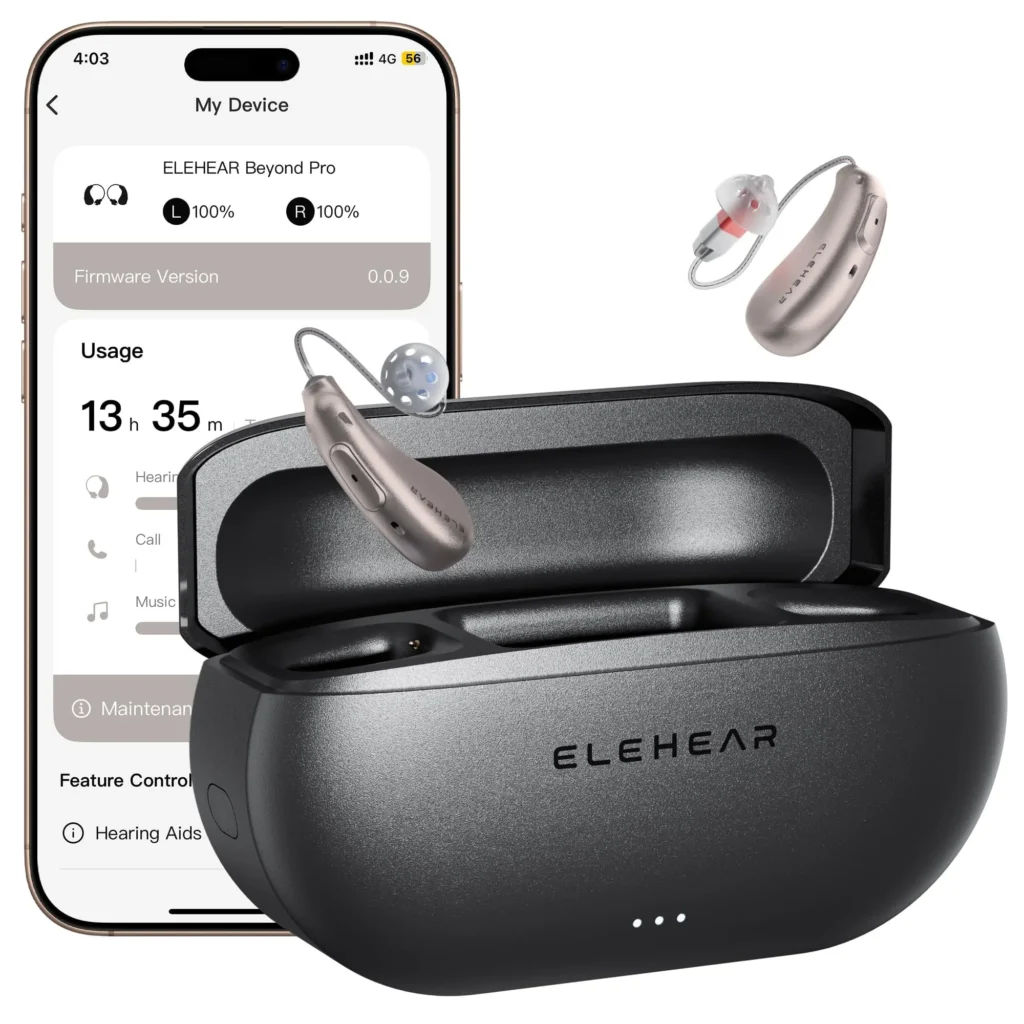
ELEHEAR Beyond Pro is a lower-cost over-the-counter hearing aid with Bluetooth features. It works best for adults with mild to moderate hearing loss who want a simple, low-cost setup. Prices range from $399 to $599 per pair. These devices support streaming for calls and media, include app-based controls, and provide up to 20 hours of battery life.
Key Features
- Bluetooth streaming for phone calls, TV, and media
- App-based setup with sound presets and adjustments
- Rechargeable battery with charging case
Pros
- Lower price than most Bluetooth hearing aids
- Simple setup through the mobile app
- Solid performance for everyday listening
Cons
- Less effective in noisy environments
- Fewer advanced features than premium brands
- Not for severe hearing loss
For more information, read our full ELEHEAR review.
Phonak Audéo Lumity Review
Great Bluetooth hearing aids for multiple device connectivity
|
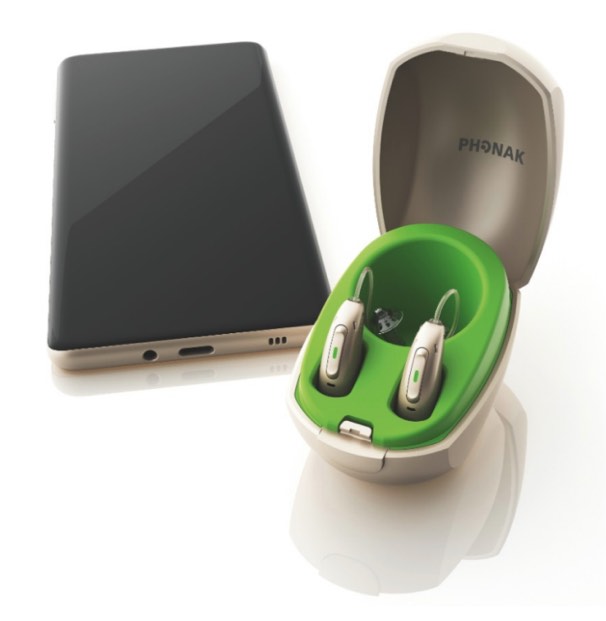
Phonak Audéo Lumity is a prescription hearing aid with advanced Bluetooth connectivity. It works best for users with mild to severe hearing loss who need support from a hearing care professional. Prices typically range from about $2,000 to $7,000 or more per pair, depending on the provider. These devices can connect to multiple Bluetooth-enabled devices at once and support hands-free phone calls and media streaming.
Key Features
- Universal Bluetooth connectivity across phones, TVs, and other devices
- Hands-free calling and audio streaming
- Advanced natural sound processing with noise reduction
Pros
- Connects to multiple devices without switching
- Strong speech clarity in noisy environments
- Suitable for a wide range of hearing loss levels
Cons
- Higher cost than OTC hearing aids
- Requires in-person fitting and adjustments
- Pricing varies by provider
For more information, read our full Phonak review.
Lexie Hearing Review
Great Technology
|
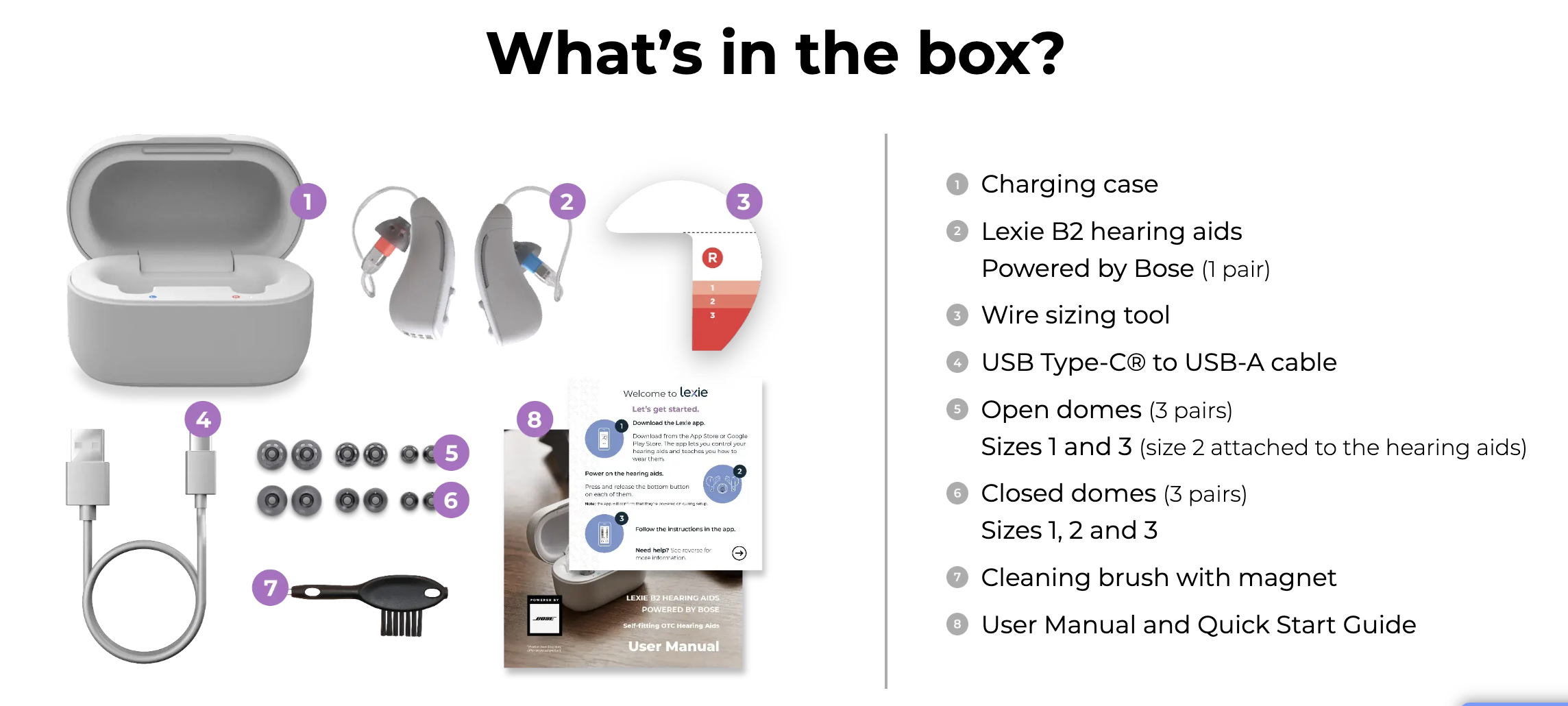
Lexie offers several over-the-counter Bluetooth hearing aids, including the Lexie B2 Plus and Lexie B1 models. These devices are best for adults with mild to moderate hearing loss who want simple controls and lower costs. Prices range from $799 to $999 per pair, with some models starting lower. The B2 Plus includes Bluetooth connectivity with app-based controls, multiple sound profiles, and rechargeable battery options.
Key Features
- Bluetooth app control for volume, settings, and adjustments
- In-app hearing test with automatic programming
- Multiple sound profiles and noise reduction features
Pros
- Easy to use for first-time wearers
- Lower cost than many Bluetooth hearing aids
- App includes support and remote assistance
Cons
- Fewer advanced features than premium brands
- Battery type varies by model
- Limited performance in complex listening environments
For more information, read our full Lexie Hearing review.
Key Bluetooth Features to Look For in Hearing Aids
Some Bluetooth hearing aid models support basic streaming, while others offer hands-free calls and advanced controls. Here are the key hearing aid features to consider:
- Most Bluetooth hearing aids stream audio from phones, TVs, and other devices directly to your ears.
- Many models include hands-free calling. You can answer and manage calls through the hearing aids.
- App control lets you adjust volume, switch programs, and change sound settings. Some brands also support remote adjustments from a hearing care professional.
- Many hearing aids support Made for iPhone (MFi), enabling direct streaming to iOS devices. Android compatibility varies and works best on newer phones.
- Newer technologies include Bluetooth LE Audio, which improves connection stability and reduces battery use. Auracast supports audio streaming from shared sources, such as TVs in public spaces.
Types of Bluetooth Hearing Aids
Bluetooth hearing aids come in several styles. Each type fits differently and supports different levels of hearing loss.
The most common types of hearing aids are:
- Behind-the-ear (BTE) hearing aids sit behind the ear and connect to a receiver in the ear canal. These models support strong Bluetooth connectivity and longer battery life. They work well for mild to severe hearing loss.
- Receiver-in-canal (RIC) hearing aids place a small receiver inside the ear canal, connected by a thin wire. They are smaller than BTE models and support Bluetooth streaming and app control. Most users choose this type for daily use.
- In-ear hearing aids sit inside the ear. These include in-the-canal (ITC) and completely-in-canal (CIC) models. They are less visible but often have limited space for Bluetooth features and smaller batteries.
- Earbud-style hearing aids resemble wireless earbuds and sit inside the ear. They focus on simple controls and direct audio use. These devices work best for mild to moderate hearing loss.
Pros and Cons of Bluetooth Hearing Aids
Here are some of the benefits of hearing aids with Bluetooth:
- Hands-free calling makes it easier to answer and manage phone calls without holding your device
- Streaming music and TV audio sends sound directly to your hearing aids for clearer listening
- Better speech clarity in quiet and some noisy environments compared to basic hearing aids
- Real-time adjustments through an app let you change volume and settings without removing the device
Here are some of the drawbacks of hearing aids with Bluetooth:
- Bluetooth features can reduce battery life, especially with frequent streaming
- Rechargeable battery models need daily charging to last a full day
- Some users face a learning curve when using apps and device settings
- Connectivity issues can occur, especially with older phones or unsupported Android devices
How Much Do Bluetooth Hearing Aids Cost?
Bluetooth hearing aids cost more than basic models due to added features like streaming and app control:
- Over-the-counter (OTC) hearing aids usually cost between $200 and $2,500 per pair. These devices are designed for mild to moderate hearing loss and do not require a prescription or an in-person fitting.
- Prescription hearing aids typically cost between $2,000 and $7,000 or more per pair. These devices include custom fitting, advanced sound processing, and support from a hearing care professional. They also cover moderate-to-severe hearing loss.
Retail source also affects cost. Costco offers lower-priced prescription hearing aids with bundled services. Amazon and other online retailers focus on OTC options with lower upfront prices but limited support.
How to Choose the Best Bluetooth Hearing Aid for You
Choosing the right Bluetooth hearing aid depends on your hearing loss, daily use, and budget.
Here are the key factors to consider:
- Hearing loss level: Match the device to your hearing loss level. OTC hearing aids work for mild to moderate loss. Severe hearing loss often requires prescription hearing aids.
- Lifestyle needs: Consider how you use the device each day. Frequent phone calls, TV watching, and time in noisy environments require stronger Bluetooth connectivity and noise reduction.
- Budget: Set a clear price range before you compare options. OTC models cost less, while prescription hearing aids include professional support and come at a higher price.
- OTC vs. prescription: OTC hearing aids allow self-fitting and app control. Prescription models include custom fitting and adjustments from a hearing care professional.
- Sound quality and noise reduction: Look for clear speech and stable performance amid background noise. Strong sound processing improves daily listening.
- Battery life and charging: Look for at least 16–30 hours of battery life. Check if the charging case provides extra charges for travel.
- Warrantyand support: Look for at least a one-year warranty and a trial period. Check if support is available through an app or a hearing professional.
Frequently Asked Questions (FAQs) About Hearing Aids With Bluetooth
Original Medicare does not cover hearing aids, including Bluetooth models. Some Medicare Advantage plans may offer partial coverage or discounts. Medicaid coverage varies by state and may include basic hearing aids, but advanced Bluetooth features are not always covered.
Most Bluetooth hearing aids can pair with multiple devices, such as a phone and TV. However, they usually connect to one audio source at a time. Some models allow quick switching, while others may require a TV streamer for better performance.
Yes, some Bluetooth hearing aids include tinnitus masking features. These use sound therapy, such as white noise or calming tones, to reduce the perception of ringing. They can also improve overall hearing, which may help lessen tinnitus symptoms over time.
Concluding Thoughts on Hearing Aids With Bluetooth
Bluetooth hearing aids improve your ability to handle phone calls, TV audio, and everyday listening. They allow direct streaming and simple control through a mobile app. Many models also include rechargeable batteries and features that improve speech clarity in background noise.
When choosing a device, focus on your hearing loss level, daily use, and budget. Some users need basic streaming and simple controls, while others need stronger performance in noisy environments or support from a hearing care professional.
Bluetooth features add convenience, but not every model performs the same. Compare connectivity, battery life, and support options before making a decision.
With the right choice, Bluetooth hearing aids can improve communication and make everyday listening easier.