
Retirement Living takes an unbiased approach to our reviews. We may earn money when you click a partner link. Learn More
How Long Do Hearing Aid Batteries Last?
Disposable hearing aid batteries have an average lifespan of 6.5 days, or 3–10 days depending on the battery type and hearing aid care. Rechargeable hearing aids can last anywhere from 20 to 50 hours on a full charge.


Updated:
At a glance:
- Size 312 brown batteries are the most common disposable batteries used in hearing aids and can last 4–5 days.
- Behind-the-ear (BTE) hearing aids can hold size 675 blue-coded batteries, the largest hearing-aid battery option, which can last 7–10 days.
- Completely-in-the-Canal (CIC) and Invisible-in-the-Canal (IIC) hearing aids have the smallest batteries with the shortest average battery life of 3–4 days.
Whether they use rechargeable or disposable batteries, the latest hearing aid technologies play a key role in helping seniors with hearing loss enjoy daily life. However, depending on the type of hearing aid, you can also expect different average battery life. In fact, anything from battery size and hours of use to the level of care can affect the lifespan of hearing-aid batteries.
In this article, we’ll cover the average battery life of different hearing aid styles, so seniors in need can choose the best hearing aid device for their situation.
Understanding Hearing Aid Battery Life
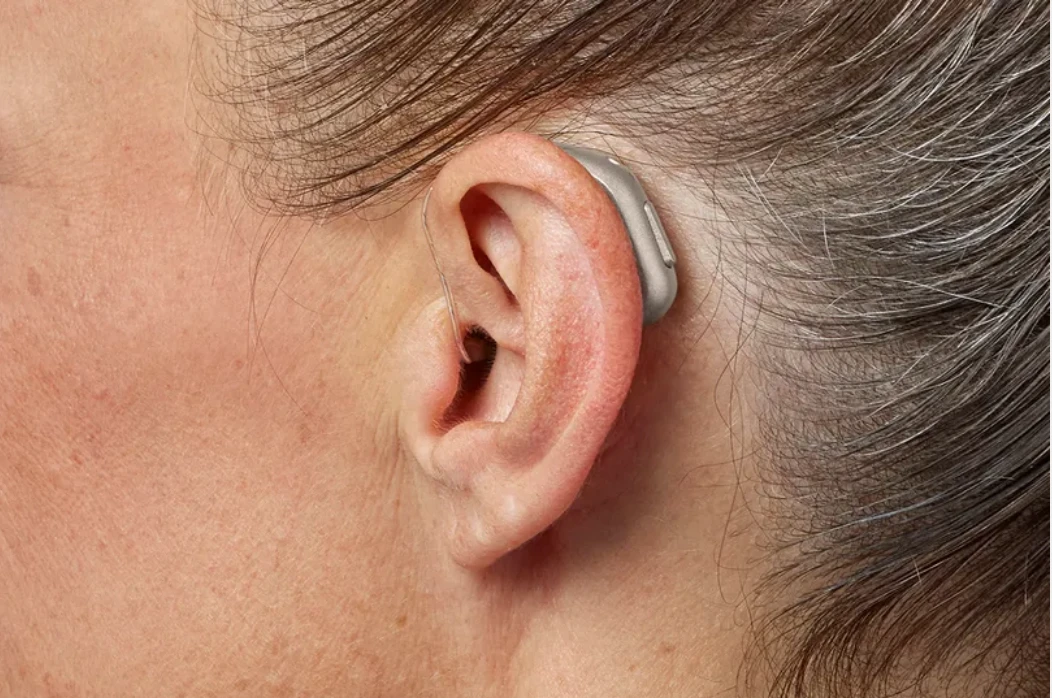
When you buy new hearing aids with disposable batteries, the batteries generally last 3–10 days before they need to be replaced. The efficiency of the batteries largely depends on their size, with larger size 13 batteries consuming power faster than smaller size 10 or size 312 batteries. Hearing aids that sit outside the ear canal, behind-the-ear (BTE), receiver-in-ear (RIC), and in-the-ear (ITE) models, can accommodate larger batteries, providing more power. On the other hand, devices that go deep into the ear canal require smaller, less efficient batteries.
Efficiency is also impacted by how well the batteries are cared for, which we’ll explore below.
Disposable Battery Lifespan By Type of Battery
| Size | Color code | Battery life | Hearing aid use |
|---|---|---|---|
| 10 | Yellow | 3–4 days | CIC and IIC |
| 312 | Brown | 4–5 days | Mini BTE, RIC, Mini RIC, CIC, ITC, and ITE |
| 13 | Orange | 5–7 days | BTE, ITC, and ITE |
| 675 | Blue | 7–10 days | BTE |
Disposable vs. Rechargeable Hearing Aid Batteries
Unlike hearing aids with disposable batteries, rechargeable devices stay powered with a charger, rather than needing new battery replacements every few days. The battery drains after 20 to 50 hours, meaning you’ll need to plug them in almost every night for consistent access to better hearing.
Rechargeable devices also differ in:
Battery Type
Rechargeable hearing aids typically house lithium-ion batteries built directly into their system, while zinc-air batteries are the most commonly used disposable batteries. Zinc-air batteries are safer, cheaper, and more sustainable, but offer significantly less battery power.
Battery Compartment
Rechargeable hearing aids usually don’t have a battery door, as the batteries are sealed into the system. Conversely, disposable hearing aids have an easily accessible battery door that allows users to swap batteries or open the device nightly to preserve power.
How To Extend The Lifespan of Hearing Aid Batteries
If you want to wear hearing aids as efficiently as possible, battery care is essential. Proper care can extend their lifespan from a few hours to several days, saving you money over time.
Here are some of our top tips for getting the most out of disposable batteries, pulled directly from hearing care providers:
Proper Storage
When not in use, batteries should always be stored in a dry place at room temperature, preferably in their original packaging or in a place where you won’t lose them. This prevents the elements from impacting their functionality. Avoid high-moisture areas like bathrooms, kitchens, and laundry areas, and instead opt for a bedroom nightstand or a living room end table.
Check Battery Expiration Dates
While the average shelf life of a hearing aid battery is at least 4 years, you should always check your package before use. Expired batteries can produce less power, reducing device performance and potentially impacting your hearing health. Generally speaking, don’t stockpile too many batteries at once, and try to use them in the order you bought them to prevent expiration.
Handle With Care
Always handle hearing aid batteries with clean, dry hands, as oils and other contaminants on your fingers can damage them. You should also avoid removing the battery tab too soon. The batteries activate when they come into contact with the air, so the protective tab prevents battery drain before they’re inserted into the hearing aid. Wait at least 2 minutes after removing the tab to insert it.
Remove Batteries & Dehumidify At Night
Removing batteries when not in use can help extend their charge, and leaving the battery door open at night can also reduce moisture buildup inside the hearing aid. Additionally, you can place your hearing aids, with the door open, inside a dehumidifier at night to further reduce moisture exposure to the batteries the next day.
Should I Choose Disposable or Rechargeable Hearing Aids?
When it comes to hearing aids, there’s no one-size-fits-all solution for every senior. Some seniors prefer rechargeable hearing aids for their low maintenance. Similar to a phone, they only require nightly or semi-nightly charging. Rechargeable options are also great for seniors with arthritis or Parkinson’s, as you don’t need to open a small battery door or handle the tiny batteries.
Disposable hearing aids, on the other hand, offer flexibility that some users prefer. Replacement batteries are widely available at pharmacies and grocery stores, meaning you’re never far from a functioning device when batteries die. This makes them great for frequent travelers.
Ultimately, rechargeable hearing aids generally have a higher upfront price but reduced long-term costs, while the opposite is true for disposable options.
Our Takeaway: Hearing Aid Battery Life Depends on Style and Care
Every hearing aid offers different average battery lifespans depending on its type and how well it’s cared for. In-the-canal (ITC) and completely-in-canal (CIC) hearing aids are more discreet and secure but require smaller batteries with shorter average battery life. Conversely, larger, behind-the-ear (BTE) hearing aids are easy to spot but have longer-lasting batteries.
In either case, you can extend battery lifespans through simple actions like proper storage, careful handling, and nightly dehumidifying. These measures help prevent the battery from draining when it’s not in use.
Rechargeable hearing aids are also an option and require nightly or semi-nightly charging to stay functional. They can be better for traveling or disabled seniors, but have a higher upfront cost.
Frequently Asked Questions About Hearing Aid Batteries
The batteries inside disposable hearing aids last anywhere from 3–10 days, depending on the type of battery.
Larger hearing aid batteries, like size 13 or 675 batteries, generally last the longest (5-7 days for the former and 7-10 days for the latter). On the other hand, the smaller size 10 or 312 batteries generally last less than 5 days.
You can extend the lifespan of hearing aid batteries through simple actions like washing your hands before you handle them, storing them properly, using them before they expire, and keeping them dry.
Rechargeable hearing aid batteries can last 20 to 50 hours before they need to be charged again, depending on the specific device.
Yes, seeing an audiologist every 6 to 12 months for new hearing tests and hearing aid maintenance is essential for extending their lifespan.
Help us improve our cost data! Email your latest hearing aids quote to [email protected]. Rest assured, your personal details will remain completely confidential.