
Retirement Living takes an unbiased approach to our reviews. We may earn money when you click a partner link. Learn More
Pros and Cons of Hearing Aids
Benefits and features depend on the type of hearing aid and if its prescription or OTC


Updated:
At a glance:
- Larger hearing aids, such as BTE and RIC, support mild-to-severe hearing loss, while smaller devices, such as ITC and CIC, are better for mild-to-moderate hearing loss.
- Devices with receivers in the canal have reduced issues with feedback and wind noise but are prone to earwax and moisture damage.
- Prescription hearing aids provide a professional fit and sound profile but are costly. OTC hearing aids are more affordable and accessible but may not offer as custom a solution.
Hearing aids help you hear sounds that were previously lost to you, such as nature sounds, high-pitched frequencies, household noises, and conversations, both in-person and over the phone. Using hearing aids helps people regain their confidence in social settings, reduces listening fatigue, improves mental well-being, and betters communication with loved ones.
However, some people may be hesitant to wear hearing aids due to perceived stigma, which can severely impact their overall health. Untreated hearing loss can lead to cognitive, social, and physical consequences, including accelerated cognitive decline, social isolation, depression, increased risk of falls, and a significantly higher risk of dementia.
Hearing aids are nothing to be ashamed of, especially when your well-being is involved. Luckily, many styles are available, ensuring you can find a new hearing aid that will make you feel comfortable while improving your hearing.
Below, discover the pros and cons of the different types of hearing aids to help you find the one that best suits your needs.
Pros and Cons of the Different Types of Hearing Aids
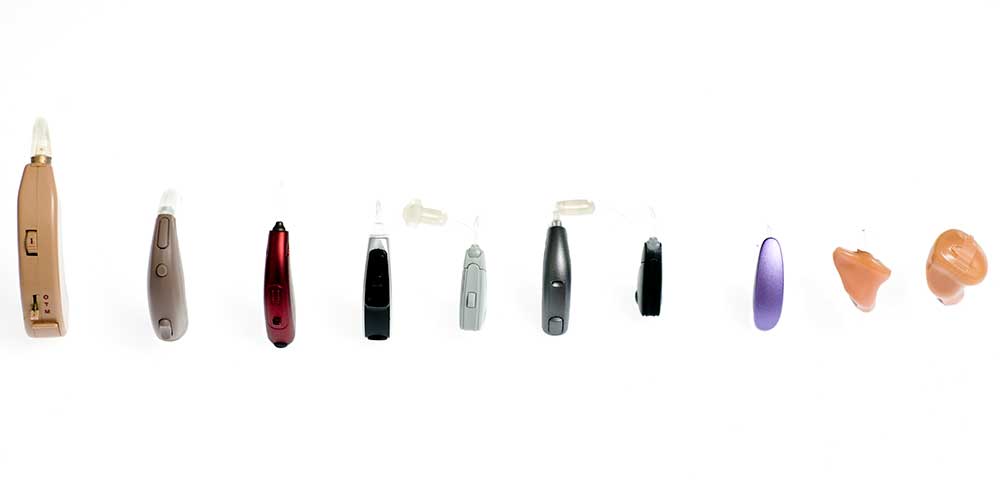
With the continuous advancement of technology, many types of hearing aids are available, and it can be difficult to understand what differentiates them and what benefits they offer.
Below, we explain each style of hearing aid, list the range of hearing loss each supports, and review the pros and cons of each.
Behind-the-Ear (BTE)
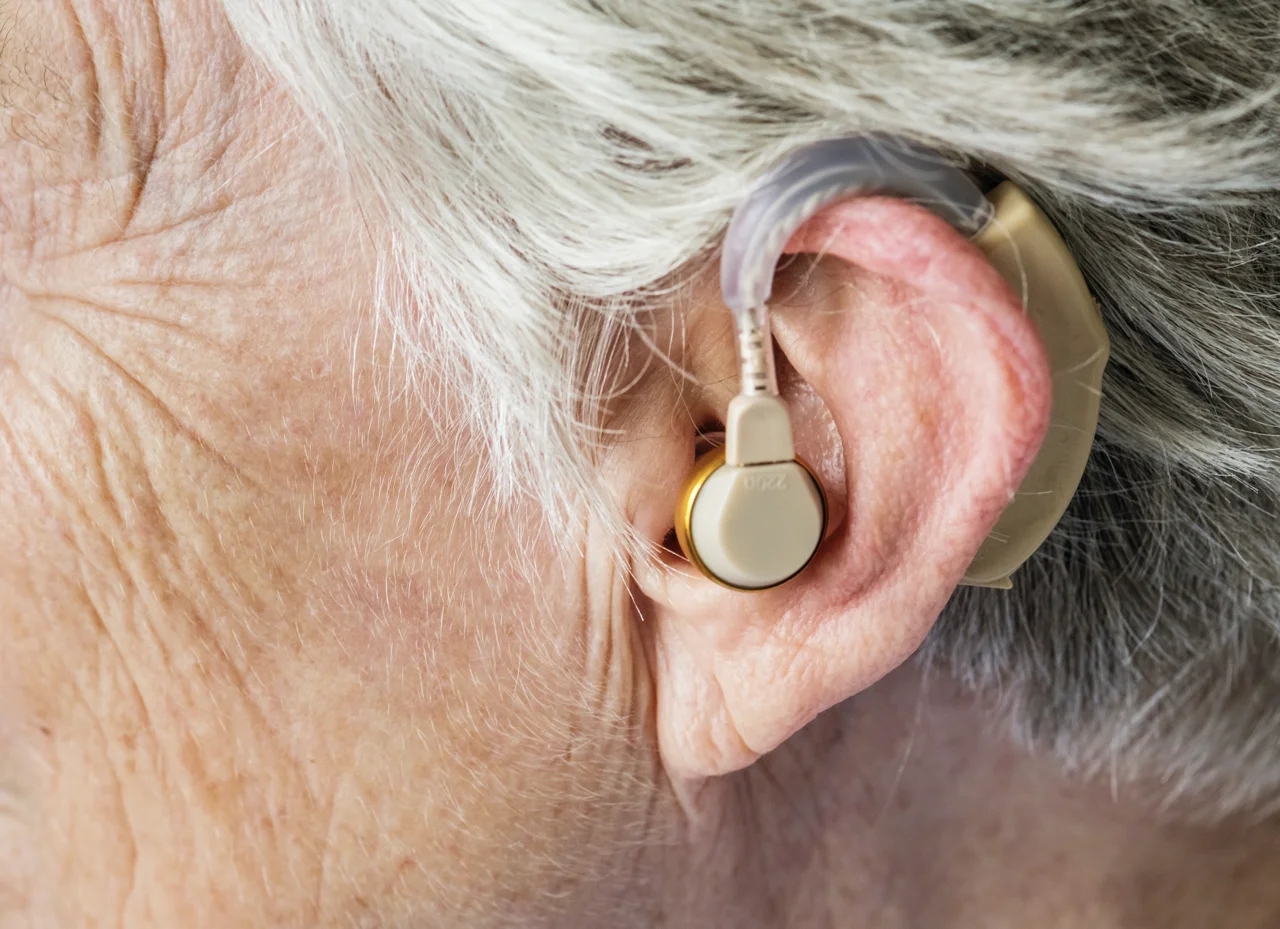
The main body of behind-the-ear hearing aids sits behind the ear. The speaker is located in the case, and the sound is sent to your ear via a thin tube. BTE hearing aids are a popular style thanks to their durability and support for all types of hearing loss, from mild to profound.
Pros:
- Reliability: The durable design protects sensitive components from the elements, earwax buildup, and moisture.
- Longer battery life: The larger size accommodates bigger batteries, giving you more hearing time between charges or battery swaps.
- Feature-rich: A larger size offers more room for advanced features such as Bluetooth connectivity, directional microphones, enhanced background noise cancellation, and more.
- Extensive amplification: BTE hearing aids provide powerful support for mild-to-profound hearing loss.
- Easy maintenance: BTE hearing aids are easy to handle due to their size, and because the main components sit outside the ear, they’re less vulnerable to earwax, and therefore easier to clean and maintain.
Cons:
- Visibility: BTE hearing aids are very easy for others to see because of their size and placement.
- Physical interference: They can feel bulky and distracting for some, and they can get in the way of glasses or face masks.
- Wind noise: BTE hearing aids are more prone to picking up wind noise than smaller in-ear models.
- Tubing changes: The plastic tubes require regular replacement to ensure proper functioning.
Receiver-in-Canal (RIC) and Receiver-in-the-Ear (RITE)
Receiver-in-canal and receiver-in-the-ear hearing aids are often used interchangeably. They are small, discreet hearing devices that sit behind the ear, with the receiver placed directly inside the ear canal. They are similar to BTE hearing aids in appearance, but the speaker is placed directly in the ear (rather than the main case), providing a more natural sound.
RIC and RITE hearing are best suited for mild-to-severe hearing loss, but are popular for those with mild-to-moderate loss.
Pros:
- Discreet: RIC hearing aids are smaller than traditional BTE models with a barely visible wire.
- Comfortable fit: The smaller, lightweight design often feels less intrusive for many users.
- Natural sound: The “open-fit” design allows for a more natural sound and allows low-frequency sounds to escape, reducing the “plugged up” sensation.
- Reduced feedback: Because the speaker is farther from the microphone, there’s a reduced chance of feedback.
- Advanced features: RIC hearing aids often feature the latest technology, like Bluetooth connectivity, tinnitus relief, rechargeable batteries, and more.
Cons:
- Moisture & wax vulnerability: RIC/RITE models are more prone to earwax and moisture clogging the speaker than BTE models, which require more frequent maintenance to keep them working properly.
- Risk of loss: Because these models are smaller and more comfortable, some users may not notice if a device falls off.
- Higher cost: RIC and RITE hearing aids tend to have a higher price point.
In-the-Ear (ITE)
In-the-ear hearing aids are custom-molded devices that fit completely within the outer bowl of the ear. They are often compared to wireless earbuds in how they sit in the ear, but the custom earmold ensures a comfortable fit and better hearing. ITE hearing aids can treat mild to severe hearing loss.
Pros:
- Easy to use with phones: Their design makes them easier to use with phones than larger models, like behind-the-ear.
- Discreet design: ITE models sit in the outer ear and are more discreet than BTE and RIC hearing aids, and they can often match different skin-tones.
- Comfortable fit: ITE aids are often custom-made to fit your ear, making them more comfortable. They also don’t interfere with those who wear glasses or safety goggles.
- Ease of Use: Easy to insert and remove, which is beneficial for those with dexterity issues.
- Features: Can accommodate larger batteries for longer battery life and features like directional microphones for better sound quality.
Cons:
- Limited advanced features: While they offer longer battery life, ITE hearing aids are smaller and may lack manual volume controls or advanced Bluetooth connectivity.
- Battery life: May have to replace or recharge the batteries more frequently than larger models.
- Maintenance: Because they sit in the ear, ITE hearing aids are more prone to damage from earwax and moisture, requiring more frequent cleaning.
- Occlusion effect: Some users may feel a “plugged-up” sensation due to how they sit in the ear.
In-the-Canal (ITC)
In-the-canal hearing aids look like smaller versions of in-the-ear models, but rather than sitting in the outer ear, they sit partly in the ear canal. They’re custom-molded to fit your ears perfectly and are best for mild-to-moderate hearing loss.
Pros:
- More discreet: ITC devices fit partially in the ear canal, making them less visible compared to larger models like BTE, RIC, and ITE.
- Comfortable fit: They’re custom-molded to the user’s ear canal, providing a snug and secure fit.
- Natural sound quality: Placement captures and delivers sound in a way that mimics the ear’s natural process.
- Features: Many ITC hearing aids include directional microphones; however, availability depends on the provider.
- Reduced wind noise: Because they sit deeper in the ear, they’re less likely to pick up on wind noise.
- Easy to use with phones: The smaller size and deeper fit mean ITC devices don’t typically interfere with phone calls.
Cons:
- Small batteries: ITC hearing aids have smaller batteries, so if they aren’t rechargeable, they need to be replaced every 3 to 5 days, on average.
- Limited advanced features: Size typically limits the addition of manual volume controls or Bluetooth streaming.
- Maintenance: More prone to damage from moisture and earwax, requiring regular cleaning.
- Handling difficulties: Those with dexterity issues may struggle to handle the smaller components.
Completely-in-the-Canal (CIC) and Invisible-in-Canal (IIC)
Completely-in-the-canal and invisible-in-canal hearing aids are very similar. The main difference is the size and depth of placement. CIC devices are tiny, custom-molded devices that fit deeply inside the ear canal, whereas IIC devices are smaller (the smallest models available) and fit even deeper within the ear canal, appearing virtually invisible, even when looking directly at the ear.
Both devices support maximum discretion and are suitable for mild-to-moderate hearing loss.
Pros:
- Invisibility: CIC and IIC are the most discreet hearing aid options on the market, with IIC offering the greatest invisibility.
- Sound quality: Placement allows sound to be naturally guided to the ear.
- Comfort: Devices are custom-molded to fit your ear canal, so they fit naturally and aren’t distracting for the user.
- Less wind noise: Because of their deep placement, CIC and IIC devices are less prone to picking up wind noise.
- Convenience: Their small size and placement make them ideal for wearing with headphones or outer-ear accessories.
- Ideal for active users: Discreet fit and unobtrusive design make these hearing aids great for active individuals. They’re less likely to get in the way of sport or safety equipment and are less likely to fall out during use.
Cons:
- Require high dexterity: Due to their small size, users need good manual dexterity for insertion, removal, maintenance, and battery replacement (if the device is not rechargeable).
- Less ventilation: Because they sit so deep, there’s less ventilation, which can make your own voice sound fuller to yourself.
- Short battery life: Smaller size means a smaller battery, equalling a shorter battery life.
- Lack advanced features: CIC and IIC devices typically lack Bluetooth connectivity, directional microphones, and other convenience features due to their smaller size, which can limit customization.
Prescription vs. Over-the-Counter Hearing Aids: Pros and Cons
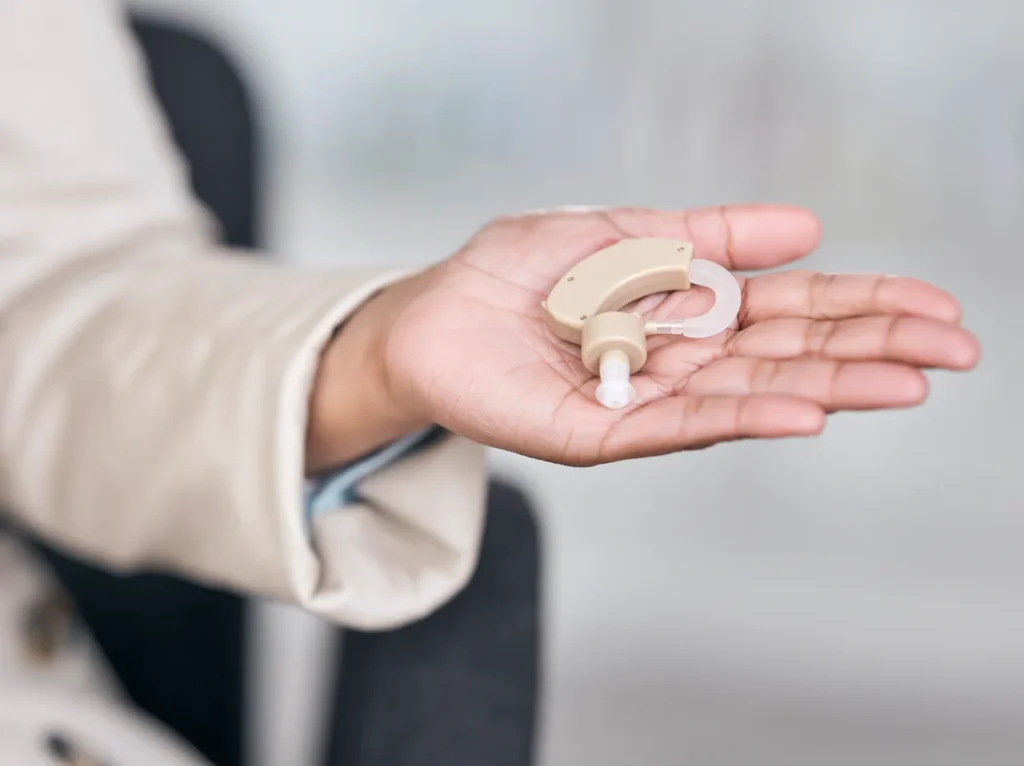
When looking for the right solution for your hearing needs, you should determine whether prescription or over-the-counter (OTC) hearing aids are right for you.
Prescription hearing aids are custom-made and fitted to meet your specific hearing loss needs. To get a prescription, you must take a hearing test from a licensed healthcare provider, like an audiologist. Afterwards, you will discuss treatment options and which styles of hearing aids are suitable for your needs. These prescription hearing aids are then ordered, fitted, and programmed by the audiologist to ensure everything functions properly.
OTC hearing aids are FDA-approved devices that meet specific requirements. They are a convenient and more affordable treatment option for those with self-perceived mild-to-moderate hearing loss. OTC devices can be purchased from big-box stores, clinics, and online retailers, often with a lengthy trial period and financing options for those who need help paying for hearing aids.
To help you determine which type may be best for you, we explore the main advantages and disadvantages of both prescription and OTC hearing aids.
Advantages and Disadvantages of Prescription Hearing Aids
Prescription hearing aids are known to offer superior, customized sound amplification. They are professionally fitted and programmed to your hearing needs, ensuring you get the best possible sound quality.
Pros:
- Professional, custom-fit tailored to your exact hearing needs
- Professional assistance and advice
- Advanced technology for better performance in noisy environments
- Long-term care
- Wide range of hearing loss support
Cons:
- High cost (sometimes costing over $10,000)
- Less convenient process, requiring multiple in-person appointments
- Require regular follow-ups and professional maintenance
Advantages and Disadvantages of OTC Hearing Aids
Over-the-counter hearing aids make hearing solutions accessible, offering affordable solutions to adults with mild-to-moderate hearing loss. OTC hearing aids allow for immediate purchase and relief, saving thousands of dollars.
Pros:
- Lower costs, making them more accessible
- Readily accessible in pharmacies, stores, and online without a prescription
- Designed to be self-fitted for immediate use
- Many include advanced technology like Bluetooth and sound customization
- Convenient for those with mild, self-detected hearing who need quick and easy amplification
Cons:
- Not adjusted to a specific, professional audiogram, which may cause lower sound quality
- Not all OTC ear molds can be customized, making them less comfortable
- Limited power makes them only suited for those with mild-to-moderate hearing loss
- Users may misjudge their level of hearing loss, which could impact their hearing health long-term
The Bottom Line: Hearing Aid Pros and Cons
Choosing the right hearing aid for you depends on your lifestyle, your degree of hearing loss, your budget, and personal preferences. If you have moderate-to-profound hearing loss, a more powerful device, such as a behind-the-ear or receiver-in-canal hearing aid, may be best for you. However, if you prefer discretion, smaller models like completely-in-the-canal or invisible-in-canal hearing aids may be a better solution.
Overall, all types of hearing aids have their benefits and drawbacks. Understanding these aspects will help you determine which style will best support you.
Frequently Asked Questions (FAQs): Hearing Aid Pros and Cons
The biggest problem people experience with hearing aids is poor hearing in noisy environments. This is because they tend to amplify both background noise and speech, which can be overwhelming and unnatural. Many advanced models have hearing programs that reduce background noise to combat this. Other issues include ongoing costs or technical problems from moisture damage or battery failure.
Whether a BTE or ITE hearing aid is better for you depends on your personal preferences and needs. BTE models are usually considered more versatile, powerful, and durable. ITE models are known to be superior for cosmetic, discreet, and comfort needs.
Hearing tests allow you to identify your exact hearing needs, ensuring proper treatment and preventing further damage while mitigating risks of cognitive decline, social isolation, and depression. Hearing tests can also reveal underlying health issues like ear infections or diseases, allowing for quick intervention.
Whether mild hearing loss can be cured depends on the cause. If it’s noise- or age-related hearing loss, it cannot be cured but can be managed with hearing aids and lifestyle adjustments. However, mild hearing loss can sometimes result from an infection or a buildup of earwax or fluid. If this is the case, it can be reversed with medical or surgical intervention.
Help us improve our cost data! Email your latest hearing aids quote to [email protected]. Rest assured, your personal details will remain completely confidential.