
Retirement Living takes an unbiased approach to our reviews. We may earn money when you click a partner link. Learn More
Cheapest Medical Alert Systems of 2026
We reviewed and selected the most affordable medical alert systems that still offer reliable emergency protection.


Updated:
Our top picks for the cheapest medical alert systems are Personal Living Alert, Lively, and ADT Medical Alert, along with other companies. We tested each alert system’s device, talked to aging-in-place experts, and looked at user feedback to compare quality, response time, and durability.

Personal Living Alert features medical alert products designed to provide peace of mind in the home and when you’re on the go. The company sells medical alert devices made in the U.S. with affordable access to 24/7 emergency help. Personal Living Alert’s monitoring center is based in America, providing services in dozens of languages.
- Great in-home range
- Flexible prices
- 2,000-square-foot range
4.5
Lively works on Apple Watches, Amazon Alexa devices, and Jitterbug cell phones. You need an active subscription plan to use it. Their wearable Mobile2 button is a waterproof medical alert system with enhanced GPS, and fall detection. It is FSA, HSA, and HRA eligible.
- Great for tech-savvy seniors
- Nurse on-call
- Compatible with Alexa and Apple Watch
ADT’s Medical Alert and On-the-Go systems are in-home and portable medical alert systems that cost around $1 per day. Your bill will never increase unless you upgrade medical alert services with ADT’s ForeveRate™ guarantee.
- Great plans
- Home temperature monitoring
- Fixed-rate service
Bay Alarm Medical is a medical alert system that offers 24/7 monitoring and trained professionals to assist in urgent times of need. Bay Alarm Medical has been protecting its clients for almost 70 years.
- Great customer service
- Vial of Life included with purchase
- Free spouse monitoring
4.7
Medical Guardian’s tagline, “Life Without Limits,” shows its mission. The company aims to help customers live independently. Medical Guardian provides five in-home or mobile systems. They also have a medical alert smartwatch and the Mini Guardian wearable alert button.
- Great variety
- Call chain for caregivers
- Sleek, stylish wearable devices
Medical Care Alert is a Michigan-based company. They provide personal medical alert systems and monitoring services. No matter where you are—at home, in the yard, running errands, or traveling—Medical Care Alert has a system to help you when you need it. The pendant and wristband emergency buttons are waterproof for continuous everyday use.
- Great fast response
- Certified responders
- No equipment charges
You can buy a wearable medical alert device from GetSafe, but the company caters to consumers who don’t want to wear a button. GetSafe offers medical alert system packages for homes ranging from one to five bedrooms.
- Great for large homes
- No wearable devices required
- Can service large homes up to five bedrooms

4.8
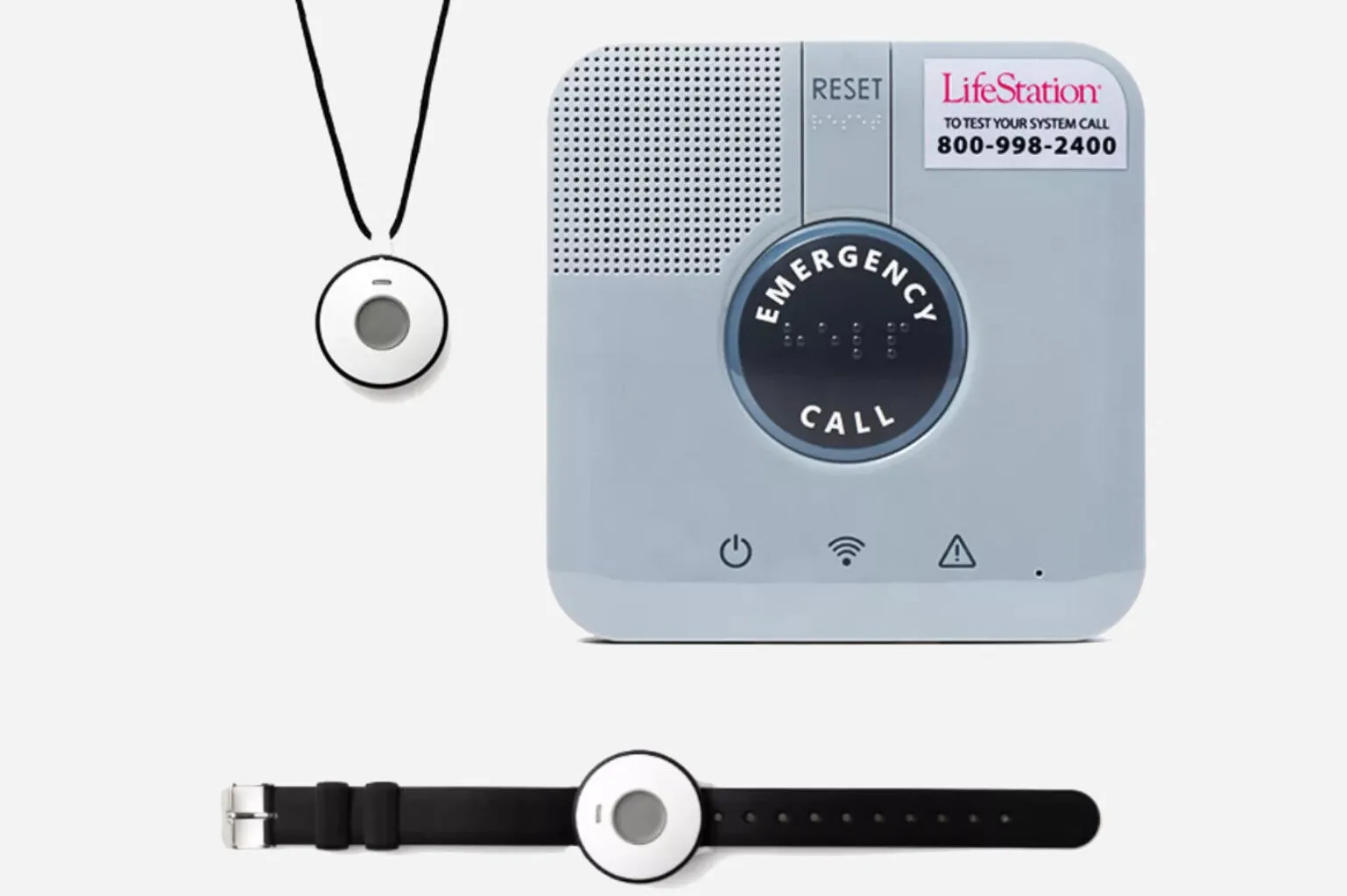
LifeStation’s On The Go mobile medical alert system features fall detection, enhanced location technology and a reminder that lets you know when batteries are running low. Find My Loved One allows caregivers to locate the customer. LifeStation also offers landline and cellular systems for the home.
- Great Value
- No activation fee with most plans
- Caregivers can have access to mobile location
How We Chose the Cheapest Medical Alert Systems for Seniors
Retirement Living bought and tested different medical alert systems to make sure you get the best product for the best price. This gives you the confidence to buy the best device for you or your loved one.
Here are some key features we compared for this review:
- Equipment quality
- Range and connectivity
- Response times
- Fall detection capabilities
- Battery life
- Customer service excellence
- Pricing plans
For an in-depth review, we installed the system ourselves, tested the monitoring centers to measure response times, and evaluated the overall user experience from setup to daily use. We also consulted aging-in-place professionals and accessibility experts, whose guidance helped us identify the features that matter most to seniors and their caregivers when choosing a medical alert system.
Cheap Medical Alert System Reviews
Personal Living Alert Review
Great in-home range
|
Personal Living Alert is a budget-friendly medical alert provider offering simple, reliable devices for in-home and mobile protection that connect to a 24/7 U.S.–based monitoring center.
If someone presses the help button or a fall is detected, an agent can quickly assess the situation, contact loved ones, or dispatch emergency services.
Key Features
- 24/7 U.S.-based monitoring
- Hospital-grade devices
- 60-hour backup battery life
- Up to 2,000 square feet in-home range
- Wearable emergency button (wristband or pendant)
- Water-resistant
- Fall detection
- Built-in speaker and microphone
Most Affordable System
Personal Living Alert’s PLA in-home system costs around $24.95 per month, which makes it the cheapest medical alert system on this list.
Additional Pricing
- Equipment fee included with all plans
- Activation fee required for smartwatches (waived with annual plan)
- Shipping charges for $22 flat rate
- Add-ons include fall detection, extra pendants or wristbands, and smartwatch accessories
Best For
Personal Living Alert is best for seniors who want a customizable in-home system with simple setup and dependable nationwide monitoring.
To learn more, read our full Personal Living Alert review.
Lively Review
Great for tech-savvy seniors
|
Lively is a long-established mobile medical alert systems provider known for creating simple, senior-friendly devices that make it easier for older adults to stay safe and independent.
The company offers medical alert wearables, a dedicated mobile alert device, and its well-known Jitterbug phones. Each device is connected to certified U.S.-based Urgent Response agents for quick response.
Key Features
- 24/7 U.S.-based monitoring
- GPS-enabled location tracking
- Optional fall detection
- Lively Link app
- Wellness tools like Nurse On-Call and Care Advocate
- Water-resistant
- Up to 40 hours of battery life
- Uses Verizon’s nationwide cellular network
Most Affordable System
Lively Mobile2 charges $24.99 per month for the basic plan. It is one of the best medical alert pendants for seniors who need on-the-go protection without requiring a smartphone or base station.
Additional Pricing
- Activation fee for $35
- Equipment fee for $79.99
- Fall-detection service for $9.99/month
Best For
Lively is best for tech-savvy seniors who want protection that works both at home and on the go.
To learn more, read our full Lively review. Or, for a comparison with another medical alert system, read our Personal Living Alert vs. Lively article.
ADT Medical Alert Review
Great plans
|
ADT Medical Alert is an extension of ADT Security Services, one of the oldest and most trusted names in home protection. Their product lineup includes simple in-home setups and mobile devices with GPS tracking.
ADT Medical Alert system is a familiar, reliable option for you or your loved ones who need everyday safety and peace of mind. It offers 24/7 ADT’s U.S.-based response centers that directly call 911 to dispatch timely medical assistance.
Key Features
- 24/7 U.S.-based monitoring
- Home temperature monitoring
- Fall detection
- Up to 300-600 ft range
- GPS location tracking
- Up to 40 hours of battery life
- Waterproof wearable
- Lifetime equipment warranty
- Cellular or landline connection required
- Built-in speaker and microphone
Most Affordable System
ADT’s Basic in-home system is its most budget-friendly option, with annual plans starting at just $26.99 per month.
Additional Pricing
- One-time activation fee
- Fall detection add-on
- Other add-ons: lockbox and extra wearables
- No equipment repair fee
- Professional installation fee
Best For
The ADT Medical Alert system is suitable for seniors who value brand reputation, a long history of service, and in-house U.S. monitoring centers.
To learn more, read our full ADT Medical Alert review. Or, for a comparison with another medical alert brand, read our ADT Medical Alert vs. Medical Care Alert article.
Bay Alarm Medical Review
Great customer service
|
Bay Alarm Medical is one of the longest-standing medical alert service providers. It has nearly 80 years of experience in helping seniors stay safe. They offer four products, including mobile devices and in-home systems with a CSAA Five Diamond-certified 24/7 monitoring system.
Bay Alarm Medical’s systems are easy to set up and supported by trained emergency professionals who can quickly assess situations to dispatch 911. It also stores your medical history for emergency services (EMS) to use in a crisis.
Key Features
- CSAA Five Diamond certified 24/7 monitoring
- Supports 170 languages
- Up to 1,000 ft in-house range
- Up to 32 hours of battery life
- Fast response time
- GPS-based tracking
- 4G LTE network
- Fall detection
- Dual system
- Built-in speaker and microphone
Most Affordable System
Bay Alarm Medical’s SOS Home system starts at $27.95 per month, making it the company’s most affordable option to access emergency support.
Additional Pricing
- Fall detection add-on for $10/month
- One-time device fee on certain models
- GPS Alert System device fee for $49
- One-time fees for extra pendants or wristbands
- Wall-mounted help buttons for an added charge
- Semi-annual plans include free shipping and a complimentary lockbox
Best For
Bay Alarm Medical is ideal for seniors who want easy, dependable protection with strong customer service and fast response times. It’s also the best option for older adults who are members of AARP, USAA, AMAC, and the American Seniors Association.
To learn more, read our full Bay Alarm Medical review.
Medical Guardian Review
Great variety
|
Medical Guardian is a well-known medical alert provider offering a wide range of devices built to support seniors with different lifestyles.
Whether you stay at home or have an active, on-the-go routine, Medical Guardian offers 24/7 monitoring through fully domestic call centers. Its products include traditional in-home systems and modern mobile devices, all designed to be lightweight, water-resistant, and easy to wear.
Key Features
- 24/7 U.S.-based monitoring
- MyGuardian online portal
- Caregiver communication
- Fall detection
- Multiple connectivity options: landline, cellular, Wi-Fi, GPS, and Bluetooth
- Up to 1,400ft in-home range
- Up to 5 days of battery backup
- Built-in speaker and microphone
Most Affordable System
MGHome Landline is the most affordable medical alert system by Medical Guardian, with pricing plans starting at $29.95 per month. It includes a base station, a wearable help button, and two-way communication through a home landline system.
Additional Pricing
- Fall detection add-on for $10/month
- Optional wall-mounted help buttons
- One-time equipment fee
- Annual subscriptions include free equipment, shipping, and a lockbox
- No activation fee if ordered online
Best For
Medical Guardian is best suited for seniors who want modern, flexible medical alert options, especially those who value a mix of lightweight devices, strong mobile coverage, and tech-friendly features.
To learn more, read our full Medical Guardian review.
Medical Care Alert Review
Great fast response
|
Medical Care Alert is a long-standing provider of personal emergency response systems designed to keep older adults protected at home, outdoors, and on the go.
Their systems are built for simplicity and everyday use, which gives seniors dependable safety and quick access to trained help whenever it’s needed.
Key Features
- 24/7 U.S.–based monitoring by EMT/EMD-certified professionals
- Waterproof for shower use
- Optional automatic fall detection
- Caregiver notifications
- GPS, heart rate tracking, and step monitoring
- Up to 1,000 ft. in-home range
- Up to 72 hours of battery life
- Built-in speaker and microphone
Most Affordable System
HOME Emergency is one of the cheapest medical alert systems, with pricing plans starting from $29.95 per month. This is a landline-based system that includes a base unit with two-way communication, a wearable help button, and a 1,000 ft coverage range.
Additional Pricing
- Fall detection add-on for $10/month
- One-time equipment fee
- Additional pendants/wrist buttons cost
- Optional extended warranty
- No activation fees
- $50 programming/restocking fee if the device/system is returned without activation within the 14-day trial period.
Best For
Medical Care Alert is ideal for seniors who want a fast response from highly trained operators and systems that are easy to set up, use, and manage.
To learn more, read our full Medical Care Alert review.
GetSafe Medical Alert Review
Great for large homes
|
GetSafe Medical Alert system focuses on in-home coverage, so users don’t have to wear a pendant or bracelet all the time. The system supports voice-activated wall buttons, pull cords, and base units that connect to 24/7 U.S.-based emergency monitoring centers.
Key Features
- 24/7 U.S.-based monitoring
- built-in 4G LTE
- Voice-activated wall button
- Quick installation
- Waterproof help buttons
Most Affordable System
GetSafe’s Starter Kit is the most affordable package, starting at $29.95 per month with a $79 device fee. It includes one voice-activated wall button and one two-way voice button with emergency assistance.
It’s designed for small living spaces or single-room protection and offers wearable-optional coverage through voice activation.
Additional Pricing
- Mobile Help GPS Button for $20/month
- Mobile-based caregiver tracking for $5/month
- Smoke detector for $80
- Optional fall detection for $10/month
- Pendant add-on for $25
- Free shipping
- Lockbox for $30
Best For
GetSafe Medical Alert is best for older adults who spend most of their time at home and don’t require a wearable device. It’s also ideal for users who stay in large homes, as GetSafe offers larger in-house range packages.
To learn more, read our full GetSafe review.
LifeStation Review
Great Value
|
LifeStation is a budget-friendly medical alert provider known for simple systems, fast setup, and reliable 24/7 U.S.-based monitoring. The company offers landline and cellular in-home systems, as well as a mobile GPS option for users who want protection on the go.
LifeStation also offers a mobile app, allowing caregivers or loved ones to track the user’s location and receive real-time notifications during emergencies.
Key Features
- 24/7 U.S.-based monitoring
- LifeStation mobile app
- up to 650ft range
- Automatic fall detection
- GPS-based tracking
- Cellular and landline connections
- Waterproof wearable buttons for shower use
- Weekly system testing
- 30-day money-back guarantee
Most Affordable System
LifeStation’s Sidekick Home Medical Alert System costs $36.95 per month.
Additional Pricing
- Fall detection add-on for $10/month
- Equipment assurance plan
- No cancellation fee (30-day notice required)
- Flexible billing
- No activation fee
Best For
The LifeStation medical alert system is best for seniors who have landline telephones. The system offers strong caregiver support and family connectivity.
If you need more flexibility for on-the-go protection and an in-house cellular-based system, LifeStation offers other options, but at higher pricing plans.
To learn more, read our full LifeStation review.
What to Consider Before Buying a Medical Alert System?
When choosing a medical alert system for you or your loved one, you need to consider the following features:
Emergency Support
The system should offer 24/7 U.S. monitoring services backed by certified professionals or agents who can assess the situation and dispatch 911 on time. It should also connect to a caregiver app, so the caregivers or family members receive real-time notifications during an emergency.
Fall Detection
The fall detection technology can detect if a user falls or slips during a shower to dispatch immediate help. Although automatic fall detection is usually offered as an add-on in medical alert systems, we recommend buying it if your budget allows for peace of mind.
Range and Connection
The in-home range is usually between 300 and 2,000 feet. The best medical alert system covers the entire living space, including larger rooms, hallways, and the yard, so you or your loved one can move freely.
Systems may connect through a landline or a cellular network, so it’s important to choose the option that works best for the home’s setup.
Response Time
Response time refers to how quickly the monitoring center answers an emergency call once the help button is pressed. The best medical alert systems usually answer within a minute, which can be crucial during emergencies when every second matters.
The system should let you choose how you want the monitoring team to respond. Some users prefer emergency services to be contacted right away, while others want the center to call a family member or caregiver first.
This plan helps the response team act according to your preferences in urgent situations.
Battery Life
Battery life is how long your medical alert device can run before you need to charge it. It matters because you don’t want the device to die when you need it.
Home base units usually have backup batteries that last up to 2 to 5 days if the power goes out, while mobile devices and smartwatches need regular charging.
Seniors who stay mostly at home may be fine with devices that need less frequent charging, like in-home systems. More active seniors who go out may prefer mobile devices with stronger battery life so they don’t have to worry about charging as much.
Monthly Fees and Contracts
Monthly fees vary depending on the type of system you choose. Some plans cost more because they include extra features, while affordable options give you basic emergency alert services.
Seniors on a tight budget may prefer a low-cost monthly plan with no long-term contract. If you want to save money over time, you can choose an annual plan if it fits your needs and lifestyle.
Caregiver Tools
Caregiver tools include mobile apps or text alerts that show battery levels, location (for mobile devices), or when an alert has been triggered. Some systems also let caregivers check in, send reminders, or see activity updates.
These tools are especially helpful for seniors who live alone or have family members who can’t be there all the time. They give loved ones extra peace of mind and make it easier to stay connected without being intrusive.
Additional Features
Many medical alert systems offer wide range of features that others won’t, so it’s important to select the one that fully aligns with the user’s medical condition and lifestyle.
Some features include:
- Lockboxes
- Wall-mounted help buttons
- Activity monitoring
- Medication reminders
- Wellness checks
- Two-way voice communication
- Waterproof devices
- Voice-activated help buttons
- Home temperature monitoring
- Step counting
- Heart rate tracking
- Free shipping
- Multi-user support
- Device replacement plans
FAQs about Cheap Medical Alert Systems
A medical alert system connects users to emergency services by sending an instant signal to a 24/7 monitoring center as soon as they press the help button. A trained operator answers the call, speaks to the user through the device, and figures out what kind of assistance is needed.
They can contact family members, neighbors, or dispatch first responders right away. This quick connection gives seniors and their caregivers peace of mind.
A medical alert system costs between $25 and $50 per month on average. In-home systems are cheaper, around $20 to $40 a month, while mobile devices that work anywhere cost about $30 to $50 a month.
Premium brands or advanced features like GPS and fall detection can increase the monthly price.
Medicare usually doesn’t pay for medical alert systems. But some Medicare Advantage (Part C) plans may offer discounts or partial coverage. It depends on the specific plan, so it’s best to check with your provider.
Final Thoughts on the Most Affordable Medical Alert Systems
Medical alert systems give seniors access to emergency services with the press of a button. This allows users to live independently and stay active.
The cheapest medical alert systems for seniors offer essential features like 24/7 monitoring, mobile protection, and fall detection.
When choosing the right system, consider daily routines, whether the user is mostly at home or often on the go, and how comfortable they are wearing a device or using mobile equipment. This helps you narrow down your choices.
No matter which option you choose, a medical alert system can provide peace of mind for both seniors and their loved ones, making sure help is always within reach.