
Retirement Living takes an unbiased approach to our reviews. We may earn money when you click a partner link. Learn More
Stair Lift Alternatives
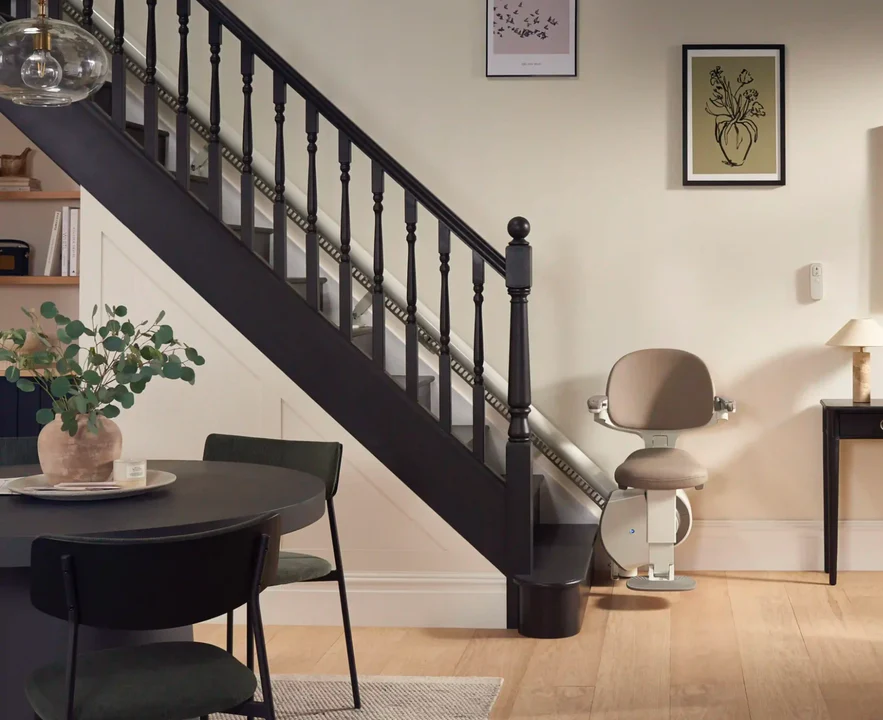
The best alternatives for stairlifts include home elevators, platform lifts, ramps, and stair climbers.


Updated:
At a glance:
- Depending on your mobility needs, the right stairlift alternatives can include home elevators, wheelchair platform lifts, accessibility ramps, or portable stair climbers.
- Home elevators and platform lifts are great alternatives for wheelchair users, moving them between floors without requiring transfers in and out of the wheelchair.
- Adding dual handrails, non-slip treads, and visual markers is a simple and affordable way to improve the accessibility of your stairs without remodeling or breaking the bank.
1. Home Elevators

Home elevators, also known as residential elevators or home lifts, are enclosed vertical transportation systems designed for in-home use. They function much like commercial elevators, but their main purpose is to enhance accessibility and convenience in the home.
There are many types of home elevators, but below we explain the most common types homeowners add to their living spaces.
Traditional Elevators
Traditional elevators are similar to commercial elevators, using a cable-driven or hydraulic system to operate. They have higher weight capacities than other home elevators, but take up more space and often require a machine room.
Shaftless (Through-the-Floor) Elevators
Shaftless elevators, also known as through-the-floor elevators, don’t require a hoistway, pit, or machine room. They move between floors through a cutout rather than a shaft, making them more space-efficient and more affordable. They can often be installed right in your living room, requiring minimal renovations.
Pneumatic Elevators
Pneumatic (or vacuum) elevators are similar to through-the-floor elevators, but they use air pressure rather than pulleys and gears to move the car between floors. They are highly energy efficient and typically more aesthetically pleasing; however, they can be more costly and have a lower weight capacity than other types.
How Home Elevators Compare to Stairlifts
While both are accessibility solutions for those with limited mobility, home elevators differ from stairlifts significantly.
Elevators have a higher weight capacity and can transport heavy loads in addition to the user. They are better suited for long-term use and for wheelchair users, and can add value to your home. Stairlifts are limited to one user, who carries them up the stairs, but they are easier to install, less obtrusive in the home, and can be easily removed if needed.
Additionally, home elevators are the most expensive, ranging from $30,000 to over $100,000 on average. Whereas stair lifts range from $2,900 to $14,000.
2. Wheelchair Lifts
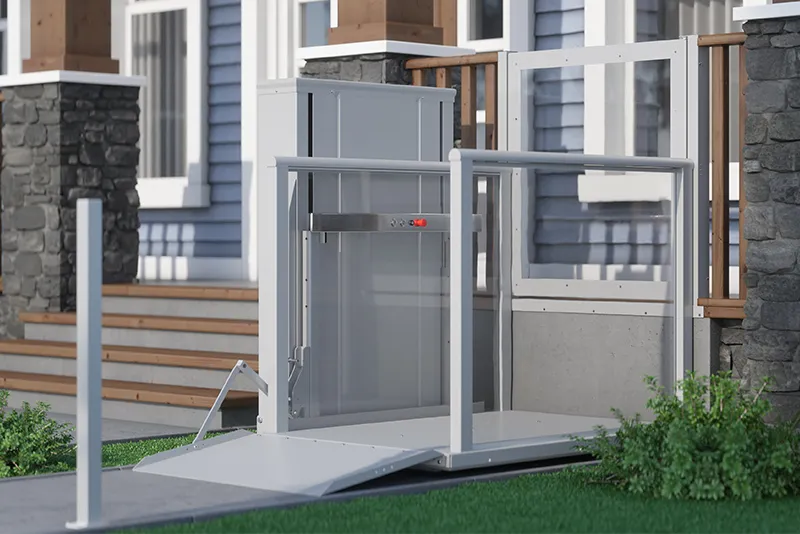
Wheelchair lifts, also called platform lifts, are similar to stair lifts, but they are designed to carry both the wheelchair and the user between floors. They can be open or enclosed and used both indoors and outdoors.
The most common types of wheelchair lifts include vertical platform lifts and inclined platform lifts.
Vertical Platform Lifts
Vertical platform lifts (VPLs) are the most common type of wheelchair lifts; they’re similar to home elevators in that they travel vertically between floors, but they typically have an open platform, allowing the wheelchair user to easily roll onto the unit. Though some are enclosed for added safety.
They typically have a shorter travel distance and lower weight capacity compared to home elevators, but they’re often more affordable and can be easily installed in public spaces and at home to increase accessibility.
Inclined Platform Lifts
Inclined platform lifts (IPLs) carry wheelchair users along a track that follows an incline, often a staircase. IPLs are similar to stairlifts, but the user does not have to transfer out of their mobility device to the chair. Inclined platform lifts are often installed in homes where the staircases have a strong structural integrity but are too steep for ramps.
How Wheelchair Lifts Compare to Stairlifts
Wheelchair platform lifts allow the user to remain seated in their wheelchair and can carry them either vertically or along an inclined path. Lifts have a higher weight capacity than stairlifts, as well. However, stairlifts are faster, especially for those who do not use mobility aids, and more affordable. They can fit small, narrow staircases and can be installed within a day.
Prices for wheelchair lifts tend to range from $4,000 to over $25,000, with some reaching up to $40,000, while stairlifts range from $2,900 to $14,000 on average.
3. Accessibility Ramps
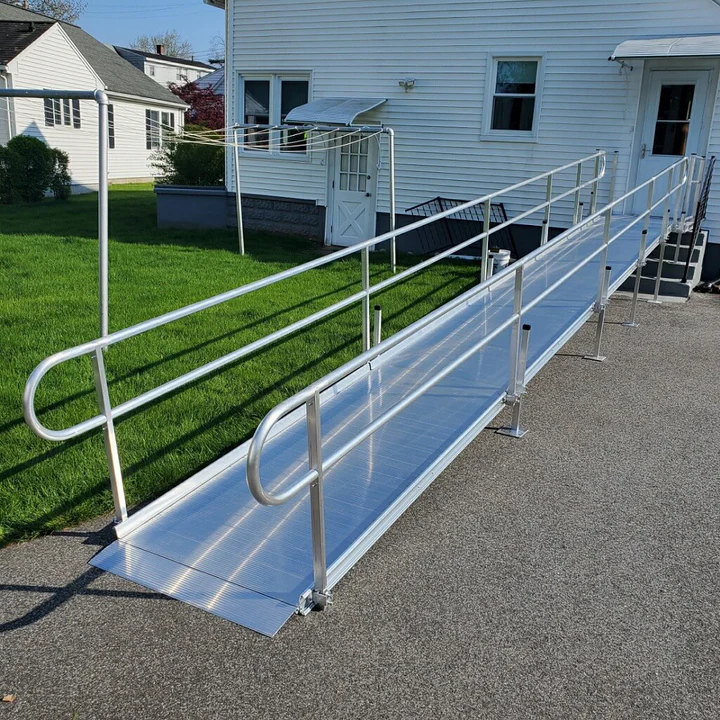
A wheelchair ramp is a sloped surface that acts as an alternative to stairs for those with mobility issues. For home use, they are best used for short, low inclines. They’re a good, low-maintenance solution for wheelchair and scooter users who need a quick, easy way to travel over a few stairs.
How Ramps Compare to Stairlifts
Ramps are ideal for short, outdoor rises, while stairlifts are best for long, indoor stairwells. Ramps tend to require significant space, while stairlifts are space-saving and can fit your existing space. Additionally, ramps, depending on the type and use, cost $1,000 and $10,000, making them more affordable than stairlifts on average.
4. Portable Stair Climbers
“Stair climber” is a general term for a type of solution for senior living. It can include stair climbing assist canes or walkers, which are specifically designed to help seniors walk up and down a flight of stairs. Climbers also include half-step platforms, which can be placed on existing steps to reduce the height of each step.
More advanced stair climbers include mechanical devices that have tracks that glide down the staircase. These are typically made for wheelchair users. The wheelchair is attached to the stair climber, and a caregiver can easily transfer them between floors. Such stair climbers are sometimes called portable stairlifts.
How Stair Climbers Compare to Stairlifts
Stair climbers, regardless of type, are portable accessibility solutions that can be used on multiple staircases. They require no home modifications and can accommodate wheelchair users; however, they require an operator, meaning the user must rely on their carer for assistance. Stairlifts are (mostly) permanently installed on your staircase. They can run automatically, offering independent operation.
Prices for stair climbers can range anywhere from $40 to over $2,000+, depending on the type of stair climber, making them generally more affordable than stairlifts.
Simple Accessibility Features for Staircases
If none of the above alternatives seem right for you, then you may consider simpler, more cost-effective solutions that enhance accessibility and safety without requiring major alterations to your home or lifestyle. Plus, many of these can be added without professional installation, though we do recommend caution. If you’re unsure how to install a feature or are unable to do so properly, talk to a professional.
Other easy accessibility features to consider:
- Handrails: Consider adding handrails or grab bars on both sides of your stairwell for added support.
- Anti-Slip Treads: These can be used both indoors and outdoors and are an easy way to reduce fall risk without interfering with functionality.
- Improved Lighting: Use bright lighting to properly illuminate the entire staircase, especially both landings.
- Tactile Warning Strips: Place tactile or textured strips at the top and bottom of the steps to help visually impaired individuals know when to step.
Bottom Line on Stair Lift Alternatives
Depending on your needs, a stairlift may not be right for you. Wheelchair users specifically may benefit more from a home elevator or a platform lift, while individuals who can still safely climb the stairs may prefer a stair climber or a cane.
However, it may be that stairlifts are perfect for your needs and your home. If that’s the case, start by reviewing the best stairlift providers to get started.
Frequently Asked Questions (FAQs): Stairlift Alternatives
If you don’t want to use a stairlift, you can consider a home elevator, a platform lift, or even a stair climber. The option you choose should depend on your mobility needs and safety concerns. Home elevators and platform lifts are best for wheelchair users, but they tend to be more expensive. Stair climbers vary, but are generally portable and can be used on multiple staircases.
The cost of a stairlift can range anywhere from $2,900 to $14,000, with the average cost landing around $8,450, depending on the provider, type, model, length, and features.
Whether a stairlift alternative requires major construction depends on the alternative, as they vary. Home elevators typically require major construction and can take weeks to install. Portable stair climbers, ramps, or handrails involve little to no remodeling.
Yes, there are portable stair climbers for those with mobility issues. Solutions range from motorized chairs to specialized wheelchair attachments. Other options include specialized stair walkers and canes, which are designed to fit most modern stair treads.
Help us improve our cost data! Email your latest stair lift quote to [email protected]. Rest assured, your personal details will remain completely confidential.